

























Prayer Time: Saudi Arabia confirms Ramadan 2026 start and fasting hours

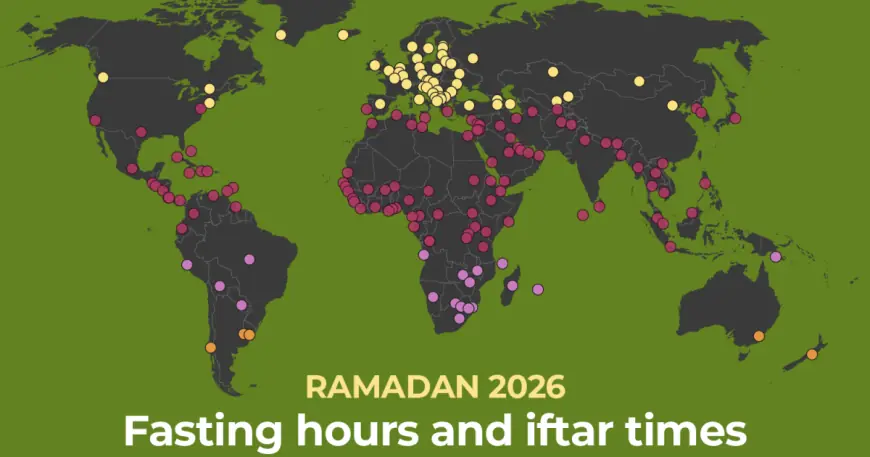
Saudi authorities verified the crescent moon sighting on Tuesday, Feb. 17, 2026, marking the start of Ramadan at sundown and making Wednesday, February 18 the first day of fasting. The timing matters now for prayer time and daily routines because the dawn-to-dusk fast is expected to last anywhere from about 11. 5 to 15. 5 hours depending on location.
Night routines and prayer time
During Ramadan, a typical day begins with a pre-dawn meal called suhoor; fasting then runs from dawn to dusk, ending at sunset with iftar. Observant Muslims also perform the five obligatory daily prayers, and an additional optional night prayer, Taraweeh, is performed after those obligatory prayers. The sequence of suhoor, daylight fast, the five daily prayers and night worship shapes communal and household schedules throughout the month.
Prayer Time: suhoor and iftar windows
Suhoor and iftar times differ by city and latitude and are often presented in local tables so communities can plan meals and worship. On the first day of Ramadan, most locations in the Northern Hemisphere will observe fasts lasting about 12 to 13 hours, while some southern locations will have longer first-day fasts. Officials note that the month lasts either 29 or 30 days, and many communities use published suhoor and iftar windows on the first and last days to guide observance.
Global fasting hours and outlook
The dawn-to-dusk fast is expected to range roughly from 11. 5 to 15. 5 hours worldwide this year. For nearly 90 percent of the world’s population living in the Northern Hemisphere, fasting hours will be shorter this year and are projected to continue decreasing until 2031, when Ramadan will encompass the winter solstice. By contrast, communities south of the equator can expect longer fasting hours than last year. The lunar Hijri calendar causes Ramadan to move earlier each year—about 10 to 12 days—because the lunar year is shorter than the solar year by roughly 11 days; that pattern accounts for the expectation that Ramadan will occur twice in 2030, beginning once near the start of January and again late in December.
The month’s end and the celebration of Eid al-Fitr are determined by moon sighting practices and timing; current projections place Eid al-Fitr likely to begin on the night of March 18, 2026. Observers and communities will use confirmed crescent sightings and published calendars to finalize local schedules for suhoor, iftar and communal prayers as the month progresses.
Key takeaways:
- Ramadan begins at sundown on Feb. 17, 2026, with the first fasting day on Feb. 18.
- Dawn-to-dusk fasts will range roughly 11. 5–15. 5 hours worldwide on the first day.
- Suhoor, iftar and nightly Taraweeh follow established daily prayer rhythms and local timetables.