







Peter Greene Cause of Death Revealed: Medical Examiner Rules 'Pulp Fiction' Actor's Death an Accidental Shooting

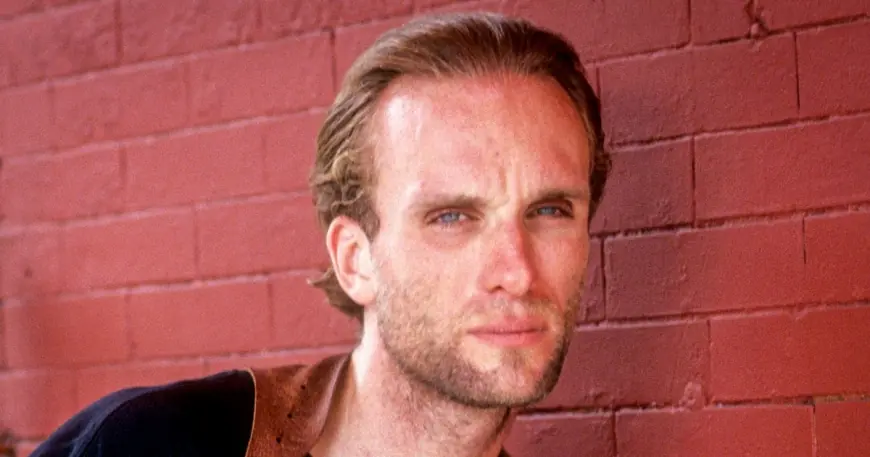
The New York City medical examiner has ruled that peter greene died from an accidental gunshot wound to the left armpit, a determination released two months after he was found dead in his Manhattan apartment. The finding identifies the immediate cause and closes a chapter on the question of how the actor died, while leaving some details of the circumstances undisclosed.
Peter Greene: Medical Examiner's Findings
The official determination lists the cause of death as a gunshot wound of the left axilla with injury of the brachial artery and classifies the manner of death as an accident. The medical examiner's office noted the injury to the artery that supplies blood to the arm. No additional details were provided by the examiner's office about the circumstances surrounding the shot.
Timeline, circumstances and what was known
The determination was released about two months after Greene was found dead on Dec. 12 in his Lower East Side apartment in Manhattan. He was 60 years old when he died. The medical examiner's findings identify a specific wound and vessel injury as the fatal mechanism but do not outline whether there were other contributing factors or how the firearm came to discharge.
Career highlights and unfinished work
The actor peter greene was widely recognized for playing intense villainous roles, including the sadistic security guard Zed in Pulp Fiction and Dorian opposite Jim Carrey in The Mask. His credits also included leading and memorable parts in films such as Clean, Shaven; Laws of Gravity; The Usual Suspects; and Training Day. At the time of his death he was reported to have been working on two projects, one of them a documentary about the federal government's withdrawal of funding from a U. S. agency involved in international development.
Implications and next steps
With the medical examiner's ruling framing the death as an accidental firearm injury, official investigative focus will shift toward clarifying the circumstances that led to the discharge and whether any additional factual or forensic information can be released. The examiner's determination provides a medical cause and manner of death; procedural follow-up may remain limited if no criminal factors are identified.
These findings bring formal closure to the immediate question of how the actor died, but details about the context of the shooting and any follow-up inquiries may evolve as investigative offices and representatives review the results. For fans and colleagues, the ruling confirms that the fatal injury was an accidental gunshot wound to the left armpit that damaged the brachial artery.