























Amber Glenn Olympics: Near‑Perfect Free Skate Rewrote Expectations but Left Her Off the Podium

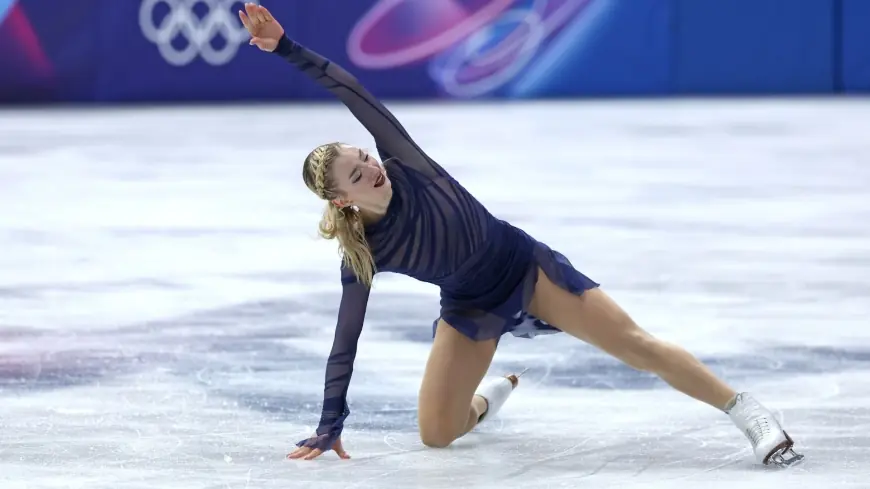
For American fans and teammates, the amber glenn olympics performance was both catharsis and reminder: a redemptive free skate showcased her highest-level elements and a landed triple axel, yet it wasn’t enough for a medal. That contrast matters because it shifts narratives around consistency, fan momentum and what teammates feel when one performance partially repairs earlier mistakes but doesn't change the final standings.
Amber Glenn Olympics impact: who felt the ripple and how
Here’s the part that matters — Glenn’s routine changed the emotional arc inside the arena and among U. S. supporters. The crowd erupted when she landed the triple axel, and for a stretch her free skate put her atop the leaderboard with a 147. 52 free-skate score and a 214. 91 total. Fans and the so-called “Blade Angels” trio gained a late surge of validation; teammates and national followers experienced relief paired with fresh frustration when the final podium settled without her.
What’s easy to miss is how a single earlier stumble can reshape expectations: Glenn began the competition in 13th place following a disastrous short program, and a tentative outing in the team event left visible consequences that followed into the individual event. The United States, however, still claimed the team gold for a second straight Olympics, and that broader team success partially blunted individual disappointment.
Event details and scoring, with the finishing order
Glenn skated her free program after slipping into the leader’s position briefly, using a medley that set the stage for a strong comeback. Her free-skate score was 147. 52 and her combined total reached 214. 91, placing her fifth overall when other skaters completed their routines.
- Gold: Alysa Liu — 226. 79
- Silver: Kaori Sakamoto — 224. 90
- Bronze: Ami Nakai — 219. 16
- Amber Glenn — 214. 91 (free skate 147. 52), finished fifth
Glenn’s lane from early troubles to a near‑capstone free skate is notable for both technical ambition and visible emotion; she allowed her feelings to show on the ice and in the stands. After the team event, when she had been assigned the free skate element, she appeared tentative and later said she didn't feel physically at her best — describing heavy legs and fatigue from competing and practicing in the host city.
Micro timeline:
- Glenn and her teammates arrived in Milan two weeks before the individual competition.
- In the team event she performed a tentative free skate and finished that segment in third place.
- In the individual free skate she landed a triple axel and posted a 147. 52 free‑skate score but ultimately placed fifth overall.
Small Q& A to clarify immediate implications:
- Q: Did the free skate represent a full comeback?
- A: It was a redemptive performance that showcased top elements, but it did not erase earlier deficits from the short program and team event; the final placement remained outside the medals.
- Q: How did this affect the team picture?
- A: The U. S. team still secured consecutive team golds, so the national result stayed strong even as individual outcomes diverged.
- Q: What would signal a different outcome next time?
- A: More consistent short-program execution and avoiding late-program fatigue would be the clearest signs of a turnaround in future competitions.
The bigger signal here is how public expectations and athlete resilience interact. Glenn’s near‑perfect free skate altered the narrative from failure to complex resilience: she showed she can land rare elements under pressure, energize a crowd and recover momentum, yet minor errors and earlier missteps still determine medal outcomes.
For viewers tracking Olympic trajectories, the result reframes conversations about depth on the U. S. women’s team and the thin margins separating podium finishers from those who miss it. The real question now is whether Glenn can translate this kind of high-level free skate into complete competitions where both short and long programs align.
It’s easy to overlook, but the scene in the arena — flags, audible relief at the triple axel and the visible tug-of-war on Glenn’s face between elation and disappointment — says as much about sport as the scores themselves.