














Zara Larsson's TikTok Plea on Wikipedia: What Fans and Page Curators Should Know

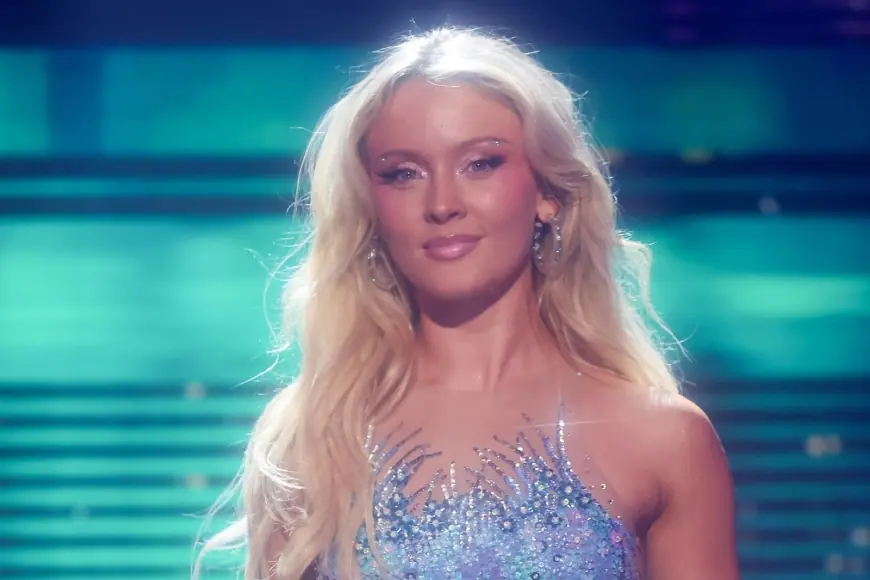
Why this matters now: a social video by zara larsson set off an immediate editorial scramble on her public biography page, dragging fans, volunteer editors and site safeguards into a visible clash. For readers and contributors, the episode highlights how personality-driven interventions can trigger rapid reversions, page protections and community frustration — all before any formal resolution arrives.
Zara Larsson’s move puts fans and volunteer editors at the center
Here’s the part that matters: the request was framed directly to the community that can change the page, and that directness produced fast ripple effects. Fans rallied behind the choice of a preferred portrait while some editors labeled the flurry of replacements as vandalism. Editing norms — especially those that discourage subjects from directly manipulating their own entries because of conflict-of-interest concerns — suddenly became the operating backdrop for a small, public test of those rules.
What’s easy to miss is the practical levers the site has: a temporary lock and change history that make the dispute visible in ways that casual readers rarely see. That visibility is why a social post can escalate quickly from a simple preference to a contested page-management issue.
How the page changed and the facts available now
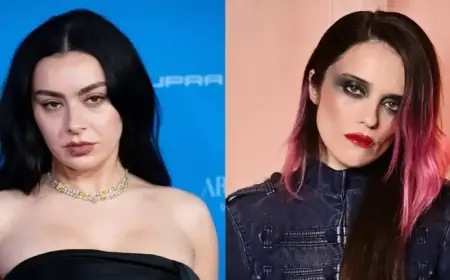
The public sequence began with a short social clip in which the 28-year-old criticized a photo on her page and identified a different portrait she preferred — a pink outfit with face paint and no microphone. The clip shows her and her team reviewing gallery uploads and favoring a file identified as "Zara Larsson Midnight Sun European Tour (cropped). jpg. " In the clip she vows to keep swapping the image to her preferred shot and tells anyone repeatedly reuploading microphone photos to "cut it out. "
At one point the page displayed the portrait she favored; a later refresh showed no portrait at all. The page was then set to a semi-protected state with a lock that prevents certain edits until the protection expires. A look at the recent edit history captured intense activity: roughly seventy revisions in a single day related to photo updates and accompanying messages that described the changes as vandalism. Comments ranged from appeals to let her choose the image to notes framing the surge as a direct response to the social clip.
- Social clip posted: artist requests a specific portrait.
- Rapid edit activity: many photo reversions and new uploads in a short time.
- Site responds: page moved to semi-protected status temporarily.
Editing your own page is still discouraged because it presents a conflict of interest, and that norm shaped reactions as much as the images themselves. Fans and others who followed the thread split between supporting the chosen portrait and restoring previous versions; some editors explicitly labeled the surge as vandalism while others left explanatory notes in the edit log.
The real question now is whether the protection will hold once it expires and how community norms will influence which portrait remains. Recent updates indicate these details may continue to evolve.
Quick Q& A
Q: Can she keep replacing the photo herself?
A: While anyone can make edits, doing so as the page subject is broadly discouraged because it creates a conflict of interest.
Q: What happened to the page after the clip?
A: The preferred portrait appeared briefly, then the page showed no portrait on refresh and was placed in semi-protection; the edit history logged many revisions in a short span.
Q: How did other users react?
A: Reactions split: some left notes urging deference to the artist's choice, others described the wave of changes as vandalism and reverted edits.
For fans and contributors, the episode is a reminder that social media prompts can generate immediate editorial labor on collaborative platforms. Observers who care about the page’s appearance will want to watch whether the lock remains in place and whether consensus emerges once the community has time to deliberate.
The bigger signal here is how quickly moderation tools are used when an entry becomes the focus of a public push; that dynamic matters for anyone who follows or edits high-profile pages.