
























Sehri Dua and the Ramadan 2026 Start: Saudi Moon Sighting Sets First Fast; What to Expect for Suhoor and Iftar Times

Following confirmation of a crescent-moon sighting, Saudi authorities have set the start of Ramadan 2026 and fasting schedules are now being circulated; the early-morning pre-fast invocation, often searched as sehri dua, is back in public view as communities prepare for suhoor.
What happened and what’s new
Moon spotters in Saudi Arabia verified the sighting of the waxing crescent on Tuesday, February 17, 2026, an update said, which means the first night of Ramadan begins at sundown and the first full day of fasting will be Wednesday, February 18. Saudi officials confirmed that timing after the moon-sighting committee observed the crescent on Tuesday, with the announcement placing the first day of fasting on Wednesday, February 18.
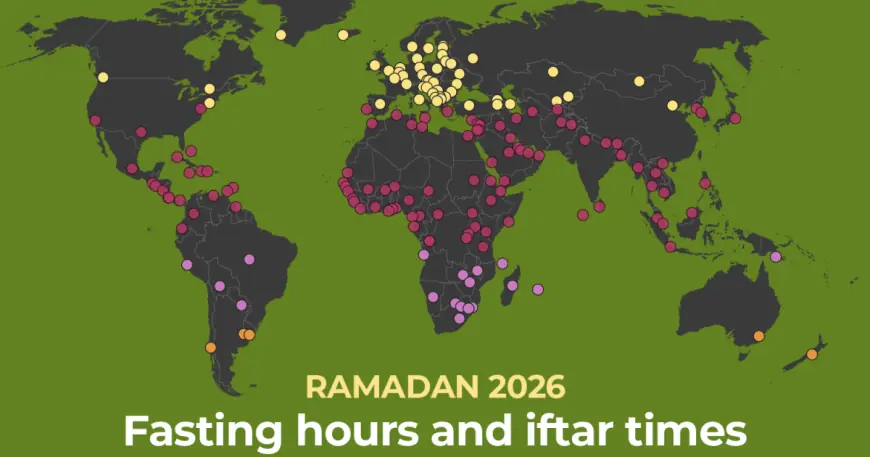
The dawn-to-dusk fast this year will range broadly around the globe, from roughly 11. 5 to 15. 5 hours depending on location. Many observers will typically experience fasts of about 12 to 15 hours, with those in the Northern Hemisphere seeing somewhat shorter days at the start and those south of the equator facing longer first-day fasts. The month itself will last either 29 or 30 days under the lunar calendar.
Behind the headline: Sehri Dua and pre-dawn routines
Ramadan prompts changes to daily rhythms: participants will rise before dawn for suhoor, observe the daylight fast, and break it at sunset with iftar. The term sehri dua appears in online and community conversations tied to pre-dawn practices ahead of suhoor, as people prepare timing and routines for the month.
The start date this year reflects the central role of moon sighting in determining Ramadan’s launch. The Islamic calendar’s lunar basis means Ramadan shifts earlier by about 10 to 12 days each Gregorian year, altering fasting-hour lengths by season. For much of the Northern Hemisphere, fasting hours will be shorter on the first day and are expected to shorten further until a later shift in the decade when the month aligns differently with the seasonal cycle.
What we still don’t know
- Whether local communities outside Saudi Arabia will adopt the same start date or follow local moon sightings (timing may vary by community).
- Exact local suhoor and iftar times for every city and locality until individual timetables are finalized and published.
- The official end date of Ramadan in each community, which depends on the sighting that determines whether the month runs 29 or 30 days.
- The precise start date for Eid al-Fitr in specific countries; one humanitarian organization noted the end-of-Ramadan celebration is likely to begin on the night of March 18, 2026, but that remains subject to confirmation.
What happens next
- Local announcements and calendars: Municipal and community authorities will issue city-by-city suhoor and iftar schedules; trigger: publication of local prayer timetables.
- Community confirmation or variation: Some communities may follow local moon-sighting results and set different first-day observances; trigger: independent local moon sightings or official religious council statements.
- Adjustments during the month: If the crescent for the following month is or is not seen at Ramadan’s end, communities will declare Eid accordingly; trigger: final moon sighting near Ramadan day 29.
- Public guidance on exemptions and practices: Health and religious authorities may reiterate guidance for those exempt from fasting; trigger: community briefings and mosque notices ahead of or during the month.
Why it matters
The formal start announcement sets planning timelines for millions observing Ramadan and affects daily schedules in workplaces, schools, and religious institutions. Shorter daylight fasts in much of the Northern Hemisphere ease daily timing on the first day, while longer first-day fasts in southern latitudes will influence how communities schedule suhoor, sehri dua moments and iftar gatherings.
Near-term implications include coordinated meal and prayer planning, logistical preparations for communal iftars, and timing adjustments for those observing religious obligations. The month’s fixed placement within the lunar calendar also signals continued seasonal shifts in fasting hours year to year, with predictable effects on daily routines until the calendar cycles further.
Authorities and community leaders now move into local implementation: publishing city-level timetables, confirming any local deviations, and issuing guidance for health exemptions, charity options and community prayers as the month begins.