



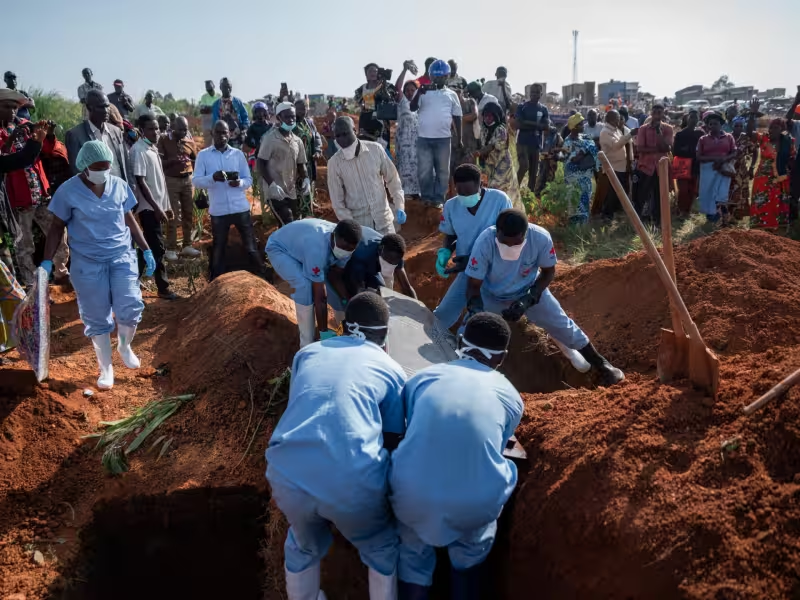
The Democratic Republic of Congo reported 837 confirmed Ebola cases and 196 deaths on Tuesday, and officials from the Africa Centres for Disease Control warned the outbreak could become deadlier than the worst on record.
The warning came as health authorities acknowledged a large gap in contact tracing and limited resources. Jean Kaseya, speaking at a virtual meeting in Burundi, said the outbreak could overtake both the West Africa epidemic and previous eastern DRC waves unless transmission is stopped quickly. Kaseya added that contact tracing is a major problem: authorities are missing more than 26,000 people who may have been exposed and do not know where they are or whether they are infecting others.

Government figures released Tuesday also noted neighbouring Uganda has recorded 19 cases, 14 of them among people who had travelled from the DRC, and two deaths. Officials said less than a fifth of the $518 million sought to strengthen the response has been raised so far, and that the epidemic has not yet peaked — a point underscored by Bruno Michon, who warned public health teams fear the response could last a year.
Context matters: the deadliest Ebola outbreak on record killed more than 11,000 people, and this emergency has been under way for more than a month. Response teams on the ground say progress is hampered by a shortage of treatment centres and by community resistance to strict hygiene and burial measures, which remain a leading driver of transmission. There is no approved treatment or vaccine for this strain of the virus, and health officials say the true scale of infections could be larger than current totals indicate.
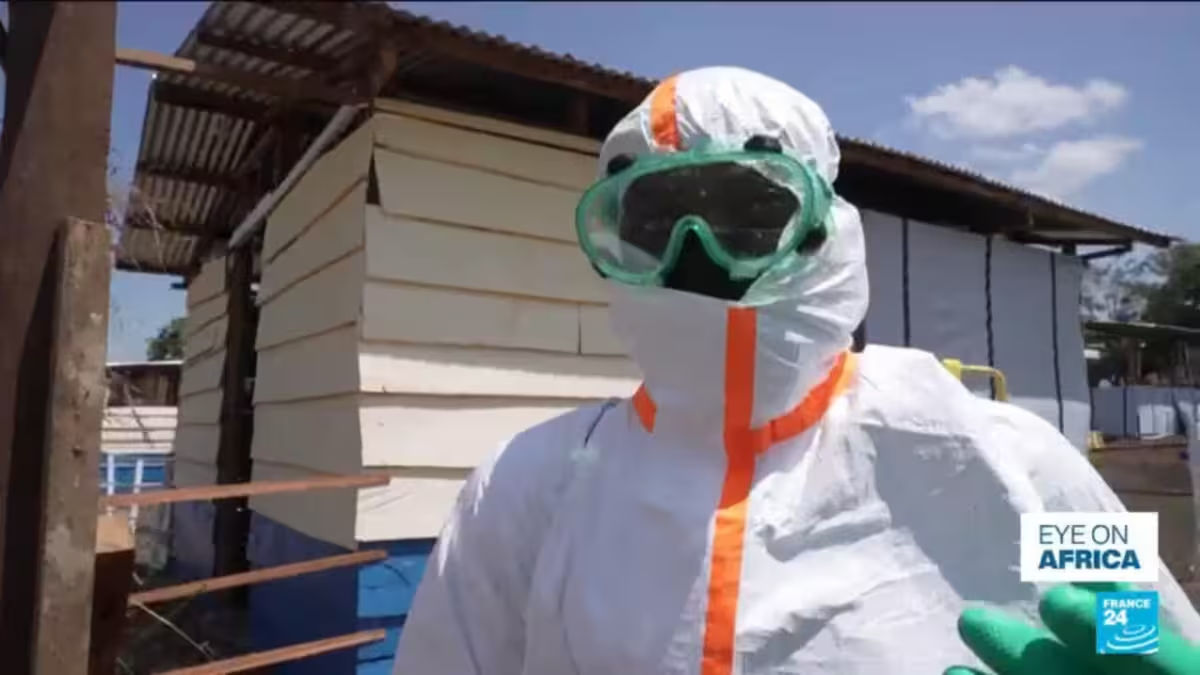
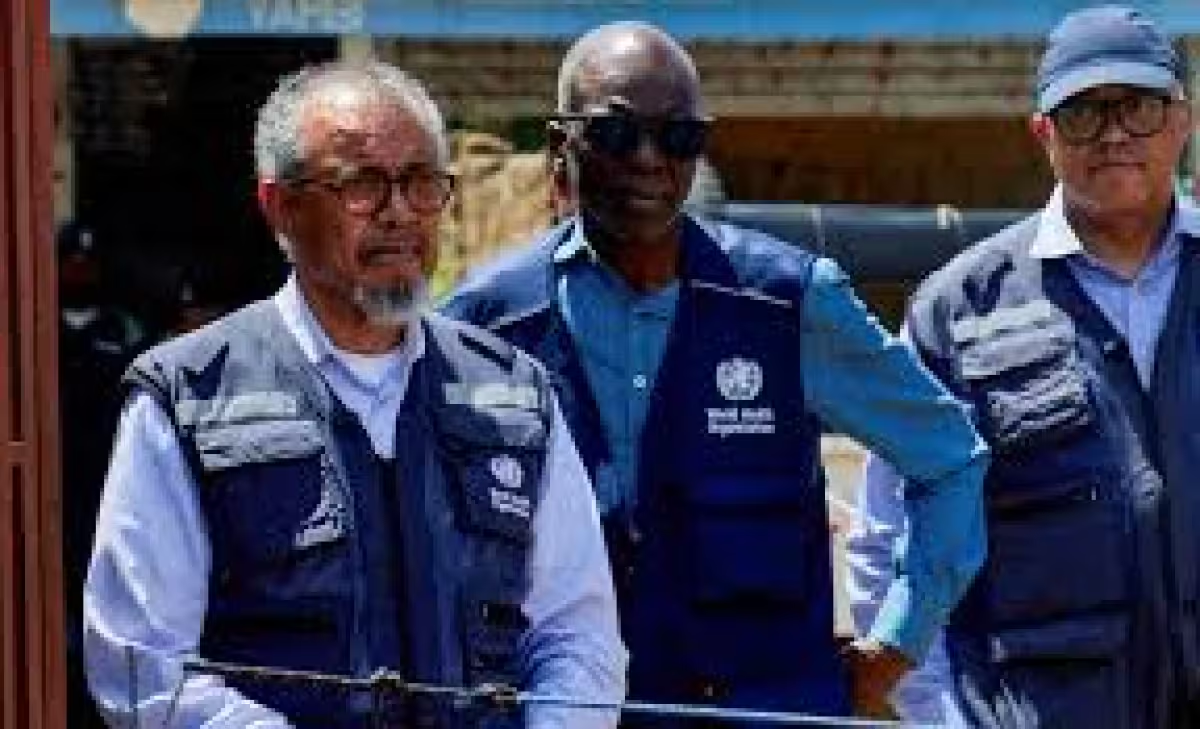
The friction between stark warnings and gaps in knowledge is now central to the emergency. Authorities are publicly saying the epidemic could become catastrophic while simultaneously reporting they do not know the whereabouts of more than 26,000 exposed people — a gap that makes any projection uncertain. Kaseya framed contact tracing as the critical indicator: without it, containment efforts cannot be reliably assessed or directed, and unknown chains of transmission may already be expanding.
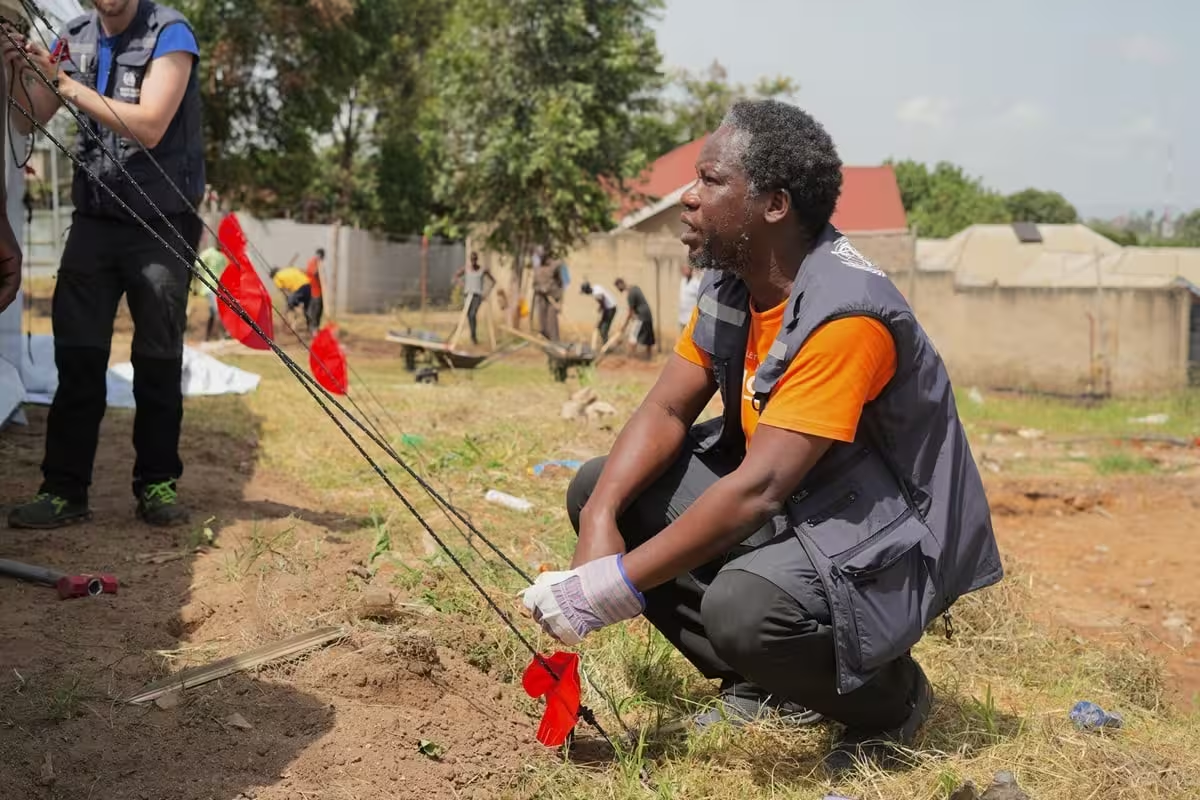
Operational constraints deepen the risk. Treatment capacity remains limited, community resistance slows case identification and safe burials, and funding shortfalls restrict the scale-up of response teams. The World Health Organization has said a vaccine could take up to nine months to be ready for broader use, leaving immediate containment reliant on testing, tracing and isolation — the very activities officials say are falling short.
Officials say they are attempting to close the biggest gaps: tracing the missing contacts, expanding treatment and isolation capacity, and pressing donors for a larger share of the $518 million appeal. Neighbouring countries are already recording linked cases, underscoring that delays in containment affect the wider region.
The single, urgent unknown now is whether those operational fixes — expanded tracing, more treatment centres and a substantial injection of funds — can arrive quickly enough to stop the outbreak from accelerating. If the missing 26,000 contacts are not found and isolated, the outbreak could outpace efforts to control it and risk becoming deadlier than past record-setting epidemics.



