



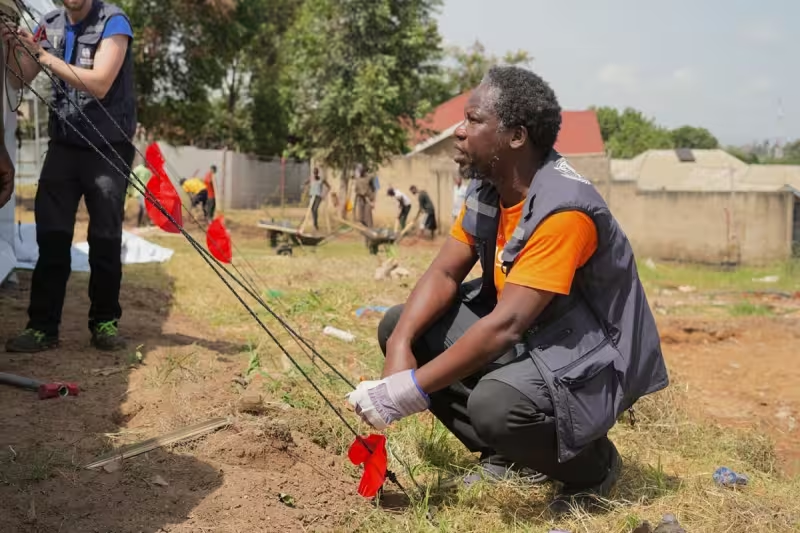
The World Health Organization has convened several expert and advisory groups in response to the current outbreak of Ebola disease caused by Bundibugyo virus in the Democratic Republic of the Congo, with cases also reported in Uganda, and has assessed candidate vaccines and therapeutics for both prevention and treatment while recommending that all products considered be used exclusively within clinical trials.
That recommendation is the clearest shift in the response: WHO advisory groups evaluated potential vaccines and therapeutics but concluded the only responsible path is to test them under controlled study conditions to generate robust data and ensure safe, ethical research rather than deploying unproven tools in the field.

WHO made the point plain: "There are currently no licensed therapeutics or vaccines specifically approved for the prevention and treatment of BVD." At the same time, the agency asked its Strategic Advisory Group of Experts on Immunization and its Ebola vaccine working group to advise on the potential role of licensed Ebola vaccines and whether existing vaccinations against other Ebola strains might have a place in the response.
Those assessments are happening alongside operational work. WHO is working closely with the governments of the Democratic Republic of the Congo and Uganda to facilitate the implementation of research evaluation of these products. WHO, the two governments, Africa CDC, the ANRS Emerging infectious diseases unit and other scientific partners are developing and implementing protocols to assess the safety and efficacy of prioritized therapeutics through clinical field trials.
The WHO R&D Blueprint — the global mechanism designed to allow rapid activation of research and development during epidemics — has been mobilized as part of this effort and remains available for rapid activation through 2024–2025. Its aim, WHO says, is to fast-track proven tests, vaccines and medicines that can save lives and avert a larger crisis once sufficient evidence is produced by trials.
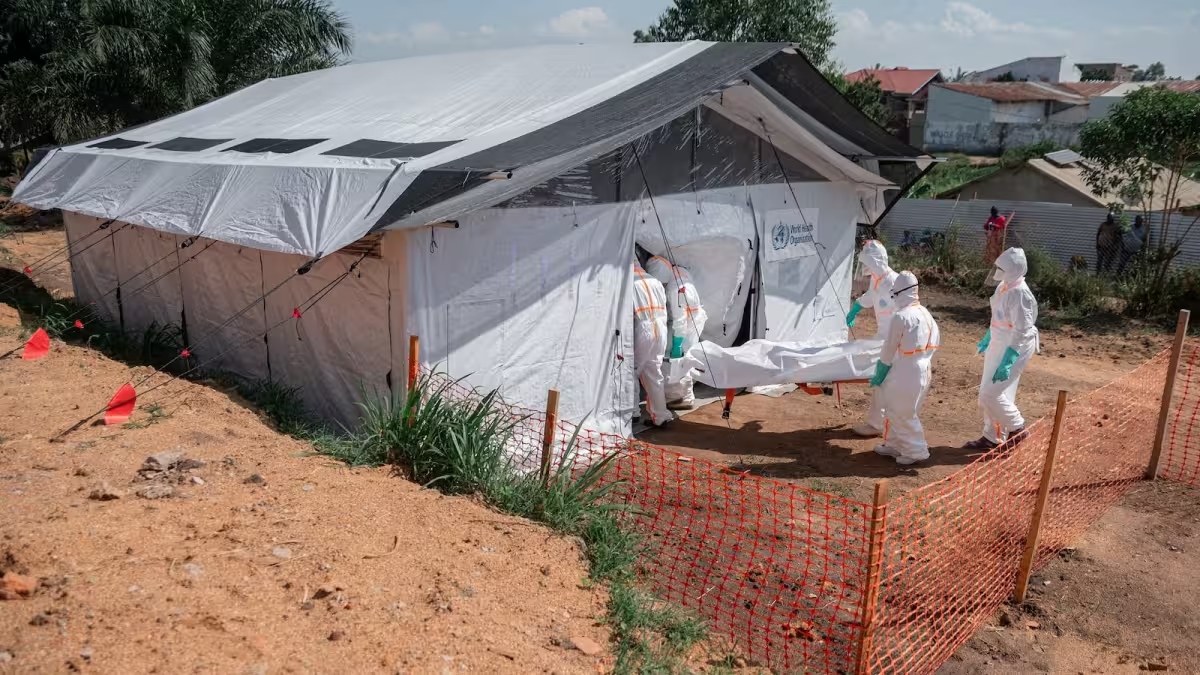
The tension in the response is stark. On the one hand WHO called for accelerated access to essential supplies, stronger community protection and coordinated investment in countermeasures. On the other, the advisory groups have drawn a firm line: candidate products must be introduced only inside ethically governed clinical trials, under the leadership of national health authorities and in close consultation with affected communities.
WHO has reiterated that all research must adhere to the highest ethical standards as field protocols are drawn up. That insistence responds to a basic contradiction in outbreak response — the impulse to deploy every possible tool immediately versus the need to produce reliable evidence that a product actually works and does not cause harm when used at scale.
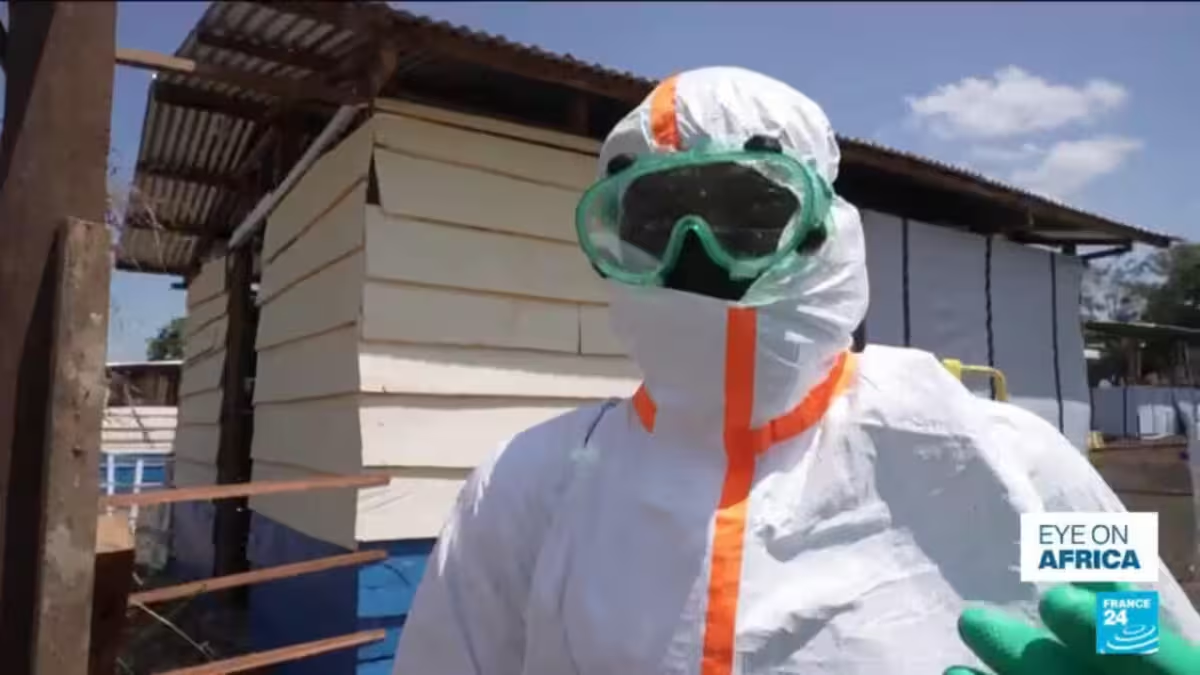
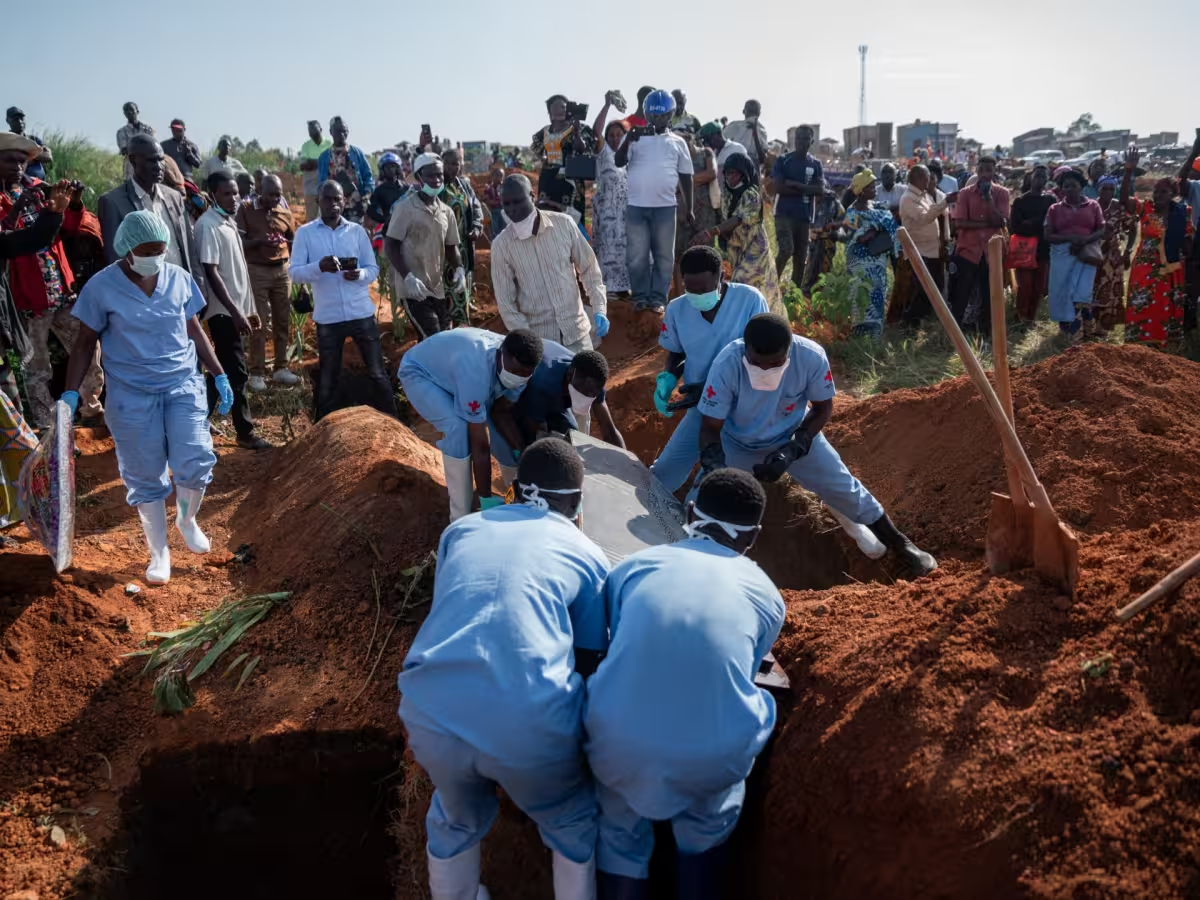
In the near term, WHO emphasized that the priority remains classical public-health measures to stop transmission: surveillance, rapid testing and diagnosis, contact tracing, isolation and care for patients, infection prevention and control, community engagement, and safe and dignified burials. Those measures, the agency says, cannot be replaced by experimental interventions and must continue while trials are set up.
What happens next is procedural and consequential: partners will finalize trial protocols, secure ethical approvals, and begin clinical field trials of the prioritized therapeutics and vaccine candidates. The trials are intended to generate the evidence needed to determine safety and efficacy — and, if results support it, to clear a path to broader use. Until then, WHO’s position is clear: emergency roll-outs of unproven products are off the table.
The practical effect is a two-track response. Teams on the ground will push to contain transmission with established tools while research teams attempt to build a scientific basis for any future emergency use. Given there are no licensed therapeutics or vaccines specifically approved for Bundibugyo virus disease, WHO’s insistence on trials makes scientific rigor, national leadership and community trust the central pillars of any hope for new countermeasures.



