
























Kaori Sakamoto's final Olympic skate ends in tears and silver

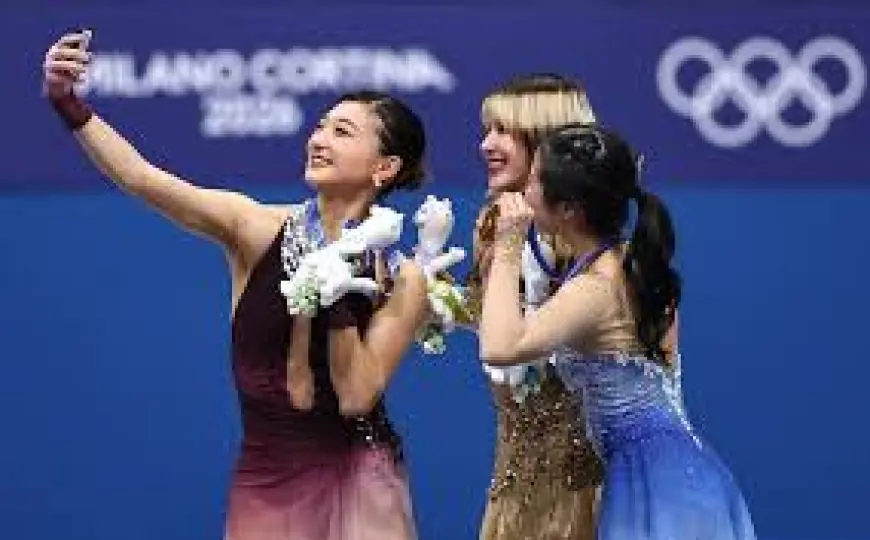
kaori sakamoto concluded what has been described as her final Olympic skate in tears and took silver, a result that crystallized a dramatic day in the women's competition. The outcome came amid a short program that brought celebration and left uncertainty ahead of the free skate.
Kaori Sakamoto: What happened and what’s new
The most recent coverage establishes that kaori sakamoto's final Olympic skate ended with an emotional reaction and a silver medal. That development was presented alongside broader commentary about the women's short program delivering joy while the free skate remained unresolved, and separate attention on the early arrival of a 17-year-old Japanese skater to the Games.
Behind the headline
What led here: the immediate frame is a competition day split between a short program that was characterized as joyful and an upcoming free skate described as mysterious in outcome. The day also included attention on a youthful Japanese presence arriving early in the event, which adds a narrative of succession and generational contrast.
Incentives and constraints: athletes at the Games face pressure to deliver in staged segments of the competition; emotional responses and podium placements shape national and career narratives. Organizers and team officials must manage media attention and athlete schedules while the results and reactions are digested by fans and the skating community.
Stakeholders: skaters directly gain or lose competitive standing and reputational momentum; national teams and training programs gain visibility from podium finishes or promising newcomers; broadcasters and audiences receive the narrative of experience versus youth; event organizers monitor how headline moments affect perception of the competition.
What we still don’t know
- Exact scoring details and margin between the silver finish and other medal positions.
- The precise cause or context of kaori sakamoto's tears (physical, emotional, or both).
- How the result will affect kaori sakamoto's future competitive plans or official status.
- Placement and performance specifics for the 17-year-old Japanese skater mentioned as arriving early.
- Full outcome and implications of the free skate that was framed as a mystery in recent analysis.
What happens next
- Official reaction and statements: teams or athletes may issue statements or briefings that clarify emotional context or future intentions; such statements would remove key uncertainty.
- Detailed results release: full score breakdowns and final standings will confirm competitive margins and technical valuations, clarifying the podium order.
- Media and public response cycle: coverage and commentary will shape the public narrative about a veteran's emotional finale versus the emergence of younger competitors.
- Follow-up on the young Japanese skater: additional performances or official entries could confirm whether the early arrival signals a breakthrough or an early integration into the team framework.
- Sporting aftermath: national programs may re-evaluate training focus and selection strategies if the day is read as a turning point between established athletes and rising talent.
Why it matters
The immediate practical impact is on athletes' legacies and team narratives: a silver finish in what has been described as a final Olympic skate becomes a defining career moment, while the short program's joyful tone juxtaposed with uncertainty in the free skate highlights how competitions can pivot quickly. For fans and national programs, the coexistence of an emotional veteran podium and the early presence of a 17-year-old competitor emphasizes both continuity and change within the sport.
Near-term implications include heightened scrutiny of performance details and the personal responses of those involved; longer-term effects could influence selection, development priorities, and how the next generation of skaters is positioned on the international stage.
Observers should watch for official score releases, athlete or team statements that clarify circumstances, and subsequent performances by the younger skater that could confirm whether an early arrival translates into competitive momentum.