

















Alyssa Liu’s ‘Smiley’ Piercing and Style Choices: Why Fans and Young Skaters Are Taking Notice

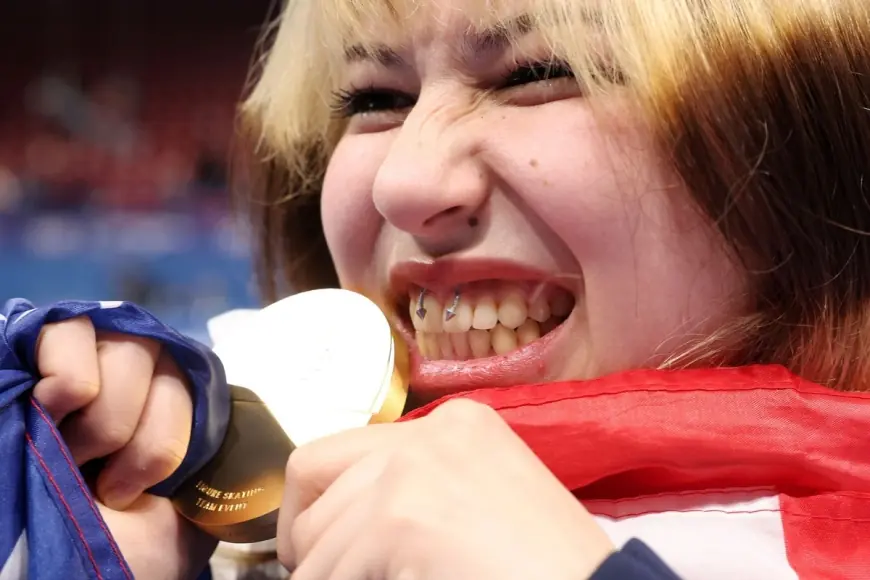
What matters now is less about a single flash of metal and more about the message behind it: alyssa liu’s visible mouth jewelry and deliberate style choices are serving as a statement of ownership during her Olympic comeback. That personal approach ties directly to the terms she set when returning to the sport and the creative partnership with her choreographer—factors that influence how fans, peers, and younger athletes interpret self-expression in judged competition.
For fans and young athletes: What Alyssa Liu's style choices signal
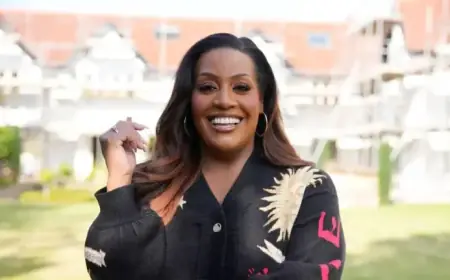
Her visible frenulum piercing—commonly called a "smiley"—and the annual hair rings are not just fashion accents; they are intentional signals about autonomy. After stepping away from the sport and returning, alyssa liu insisted on conditions that preserved personal agency: wearing what she wants, choosing music, eating as she prefers and taking breaks when needed. Those commitments frame her on-ice persona as a deliberate presentation, not accidental flair.
Here's the part that matters: choreographic buy-in amplified the effect. The choreographer’s enthusiasm for the piercing underscored a working relationship geared toward projection of the skater as a person, not just an athlete. What’s easy to miss is how that alignment between athlete and creative team can change the way routines read to judges and audiences alike—by prioritizing authenticity inside a highly structured scoring environment.
A closer look at the piercing, hair rings and Olympic context
The piercing itself is a labial frenulum or "smiley" piercing that sits in the tissue connecting upper lip to the gums and drops jewelry over the front teeth when she smiles. She pierced it herself, using a mirror and a piercing needle while a family member held her lip; she has had it for just over two years. The hair treatment consists of horizontal platinum-blonde stripes layered into dark brown hair; each ring represents a year of personal and professional growth. She first added a stripe in 2023 and has continued the pattern annually.
On the competitive side, she made an Olympic debut as a teenager, stepped away from the sport, then returned and won a world title prior to this Olympic appearance. At these Games she already collected a team gold and sits third after the women's short program heading into the free skate, keeping her in medal contention.
- The piercing’s origin: self-administered with a needle and mirror; over two years old.
- Hair rings: begun in 2023 and added each year as a personal marker.
- Competitive arc: Olympic debut as a teenager, retirement, return, a world championship win, team gold at these Games and current third-place position after the short program.
- Creative partnership: choreographer embraced the skater’s aesthetic, reinforcing an image-driven approach to routines.
What this combination creates is a template for athletes who want to balance elite performance with personal identity. If you're wondering why this keeps coming up, it's because visibility on an Olympic stage turns small, personal choices into broader cultural touchpoints: fans notice, younger skaters see a model, and the sport sees one way to integrate individuality without abandoning technical demand.
Key signals to watch for in the near term: whether the stylistic choices continue to be incorporated into program choreography, whether other high-profile skaters mirror similar personal markers, and how judges and commentators discuss presentation when scoring closely matched competitors. These would confirm whether this is a one-off aesthetic or part of a wider shift in how athletes present themselves.
- Personal expression is paired with competitive intent—style is being used to tell a comeback story.
- Young athletes and fans are the immediate audience being influenced by visible, repeatable choices.
- Creative rapport with a choreographer can amplify a skater’s individuality on ice.
- Next signs of change would be similar self-directed styling appearing on other competitors and explicit references to identity in program construction.
It’s easy to overlook, but the real test will be whether those personal markers shift judging narratives or simply remain part of the athlete’s public brand. Either way, alyssa liu’s approach has already reframed a few small details—teeth jewelry and hair rings—into a broader conversation about control, identity and how athletes choose to show themselves at the highest level.