
















Tributes Flood In After Eric Dane Dies at 53, a Career Remembered from McSteamy to Euphoria

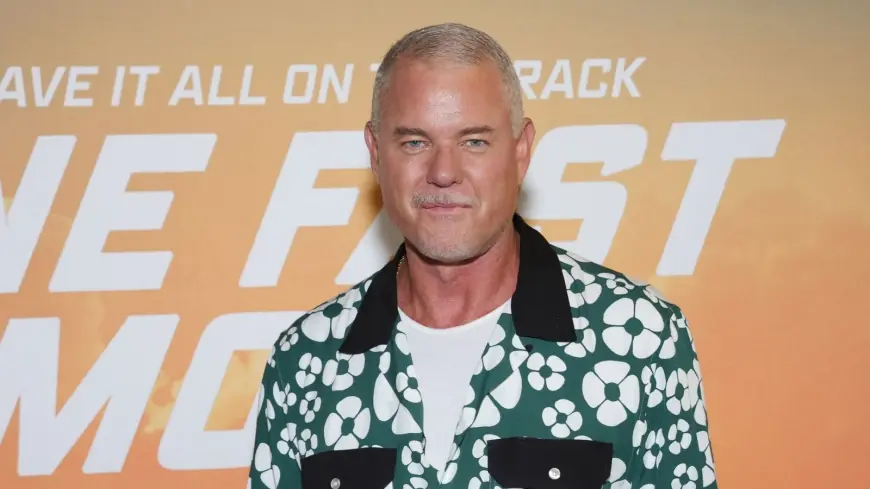
eric dane has died aged 53, his representative said, coming roughly a year after he went public with an amyotrophic lateral sclerosis diagnosis. The actor’s family said he spent his final days surrounded by friends, his wife and his two daughters.
What happened and what’s new
The actor died on Friday at the age of 53., a representative said he spent his final days surrounded by dear friends, his devoted wife, and his two daughters, Billie and Georgia. He had publicly disclosed an ALS diagnosis in 2025 and later used his platform to advocate for greater awareness of the motor neurone disease.
Professionally, he became widely known for his portrayal of plastic surgeon Mark Sloan—nicknamed McSteamy—on a long-running medical drama. His character arrived in the show’s second season after an initial guest appearance that expanded into a long-term role; he went on to appear in 138 further episodes and was a regular on the series for several years. The character’s prominence contributed to the show’s fictional hospital later being renamed in the series as Grey Sloan Memorial Hospital. He also played the antagonist Cal Jacobs in the series Euphoria. Off-screen, he married in 2004 and had two children.
Behind the headline — Eric Dane
Context: The actor’s death follows public disclosure last year that he had been diagnosed with amyotrophic lateral sclerosis, a progressive neurodegenerative condition. After the announcement, he used his visibility to push for awareness of the disease. His television work included both mainstream network drama and a high-profile role in a youth-centered drama, giving him reach across different audiences.
Incentives and constraints: Public disclosure of a serious illness often creates both a platform for awareness and a need to manage privacy for family and close friends; his representative’s statement about his final days balances those two considerations. The actor’s prior public advocacy on ALS suggests a motive to use his profile to draw attention to the disease while he was still able.
Stakeholders and exposure:
- Family: his wife and two daughters are identified as central to his final days and will be directly affected by any public responses.
- Colleagues and casts of his major shows: peers and creators who worked with him may be focal points for tributes and retrospectives.
- ALS advocacy and research groups: his public advocacy in 2025 may spur renewed attention and fundraising.
- Fans and the programmes’ producers: both groups hold cultural and commercial interest in how his legacy is commemorated.
What is consistent across available accounts: he died aged 53; he had disclosed an ALS diagnosis the prior year; he spent his final days surrounded by family and friends; his career included a breakout long-term role as Mark Sloan and a later role as Cal Jacobs.
What we still don’t know and what happens next
- Missing pieces / open questions:
- Exact date and location of death beyond the description that he died on Friday.
- Detailed medical circumstances beyond the prior ALS diagnosis, including any immediate cause listed in official records.
- Plans for public memorials or services and whether his family will request privacy or invite public commemoration.
- Specifics about how his advocacy work will be continued or supported by organizations connected to him.
- What happens next — plausible scenarios and triggers:
- Tributes and retrospectives: Expect public statements and remembrances from colleagues and cast members in the coming days, prompted by the announcement and the prominence of his roles.
- Renewed ALS attention and fundraising: His prior advocacy and the timing of his disclosure could trigger donations and media attention for ALS research and support groups.
- Archival coverage and streaming viewership spikes: Interest in his past work may increase as audiences revisit prominent performances, producing broader cultural conversation about his career.
- Family-led decisions: The family may announce memorial details or charitable requests that will shape public engagement and legacy projects.
Why it matters
The death of a widely recognized actor who publicly challenged a serious diagnosis crystallizes two immediate impacts. For fans and cultural communities tied to his television work, there is a personal and narrative loss linked to memorable characters and plotlines. For public health and advocacy, a high-profile disclosure followed by death within roughly a year underscores the urgency many feel about research, care and support for people affected by ALS. Near-term implications include tributes from peers and possible renewed public engagement with both his creative legacy and the cause he highlighted.
eric dane’s passing closes a chapter on a career that altered the trajectory of a major television series and brought attention to a debilitating disease; how his family, colleagues and advocacy groups respond will shape the immediate contours of his public legacy.