


















Nathan Mackinnon at the Center of Olympic Quarterfinal Chaos After Officials Miss Too-Many-Men Call

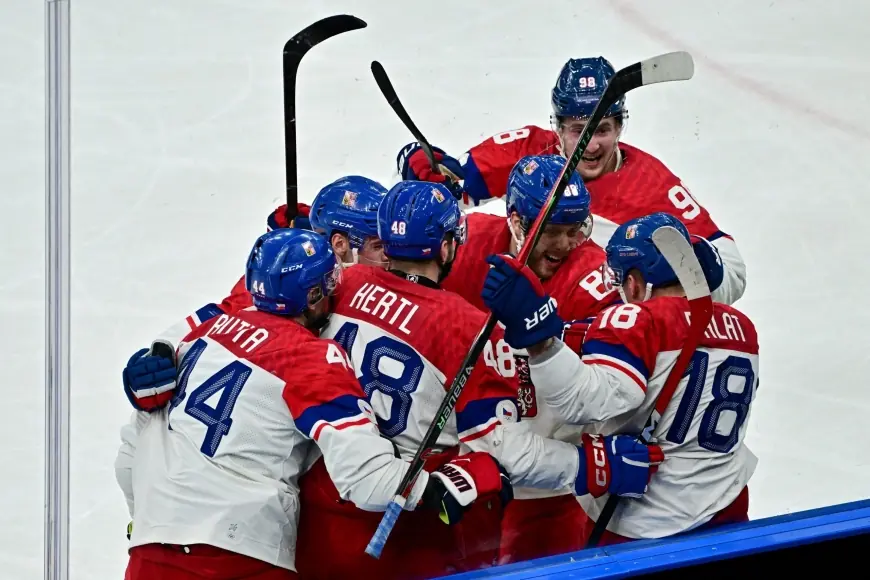
The quarterfinal between Czechia and Canada at the 2026 Winter Games was decided in overtime, but it was a blown officiating call and heated postgame criticism that dominated the aftermath. A controversial third-period goal by Ondrej Palat — scored while extra Czech skaters were on the ice — combined with contributions from nathan mackinnon on the power play and a late Canadian rally to create a night that will be remembered more for the officiating controversy than the final score.
Nathan Mackinnon’s power-play goal and the turning points
nathan mackinnon registered a goal on the power play during the game, one of the scoring sparks for Canada as the match swung in momentum. The key incident that altered perceptions occurred in the third period: Palat’s go-ahead marker left Czechia celebrating what appeared to be a legal lead, yet television footage later showed six Czech skaters celebrating and, in some angles, as many as eight players on the ice at the time of the goal.
That missed too-many-men on the ice infraction went uncalled in real time. Canadian players and staff did not flag the situation until after the contest concluded, and the play remained unpenalized at the moment it should have been enforced. Canada ultimately tied the game and won in overtime, but the missed call became the focal point immediately after the final horn.
Officials, coach reaction and what unfolded
Czechia’s head coach criticized the officiating throughout the tournament and singled out this game as emblematic of a broader problem. He expressed frustration that clips are routinely sent after matches showing plays that should have led to penalties and that the mix of officials calling the game has produced inconsistent results. His central claim in the aftermath was blunt: “We were basically playing against six players, ” reflecting anger over the uncalled too-many-men situation on Palat’s goal.
Members of the Canadian roster acknowledged they were unaware of the extra skaters until after the game. One veteran player said nobody had noticed the infraction in the moment and noted that everyone, including players and officials, missed it. Tournament governing bodies characterized the mistake as human error.
Key sequence and officiating crew
Important moments from the match, drawn from the on-ice sequence:
- Third-period go-ahead goal by Ondrej Palat for Czechia, with extra Czech skaters visible on the ice during celebration.
- Missed too-many-men on the ice call at the moment of the goal; the infraction was not signaled by officials or challenged in real time.
- Canada rallied late, leveling the score and ultimately securing an overtime victory with the game-winning goal coming after the tie.
- nathan mackinnon contributed a power-play goal during the contest for Canada.
The refereeing crew for the game included two referees and two linesmen assigned to the match. Tournament leadership described the missed call as an instance of human error, and the officials involved were removed from further games in that tournament’s officiating assignments for the remainder of the event.
What comes next
The contested sequence has prompted sharp debate about consistency and accountability in tournament officiating. The eliminated team’s coach has pushed for clearer enforcement and said the pattern of missed or inconsistent calls has affected his squad across multiple games. With the tournament proceeding to the semifinal round, the controversy raises questions about how similar incidents will be handled going forward and whether procedural changes or additional review protocols will be emphasized to avoid repeat mistakes.
For now, the match will be remembered both for the late-game heroics that decided the result and for an officiating lapse that left one team — and many observers — feeling the game was not officiated on an even keel.