
















Eric Dane: How he gave his final months to 'moving the needle' on ALS — Grey's Anatomy and Euphoria star dies aged 53

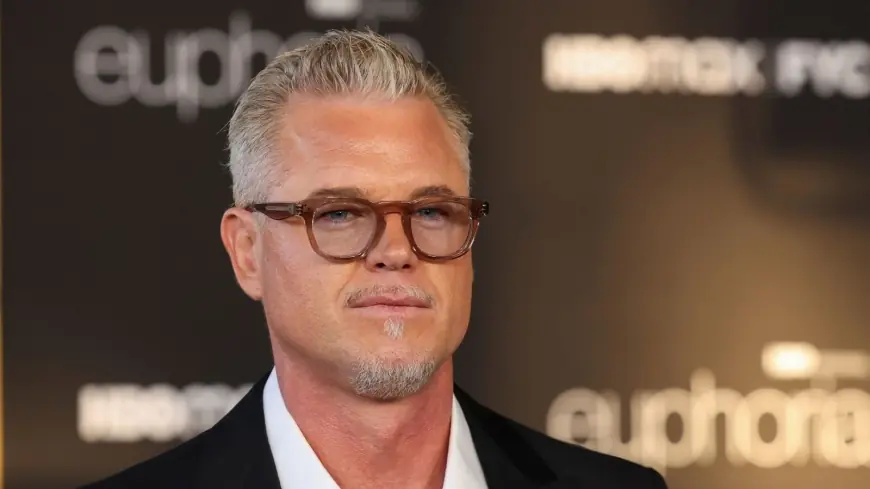
eric dane has died aged 53, ten months after confirming he had been diagnosed with amyotrophic lateral sclerosis (ALS). In the period after his diagnosis he focused public attention and personal energy on fundraising, advocacy and work that translated his experience into action—making his final months about advancing research and care for others living with the disease.
Eric Dane's final months: campaigning, fundraising and acting work
After sharing his diagnosis in April, he became an outspoken campaigner for ALS awareness and research. He helped launch a three-year campaign in September that aimed to raise more than $1 billion in federal funding for research, and in campaign material introduced himself as an actor, a father and a person living with ALS.
By December he had joined the board of a research-focused organisation dedicated to ALS, and had helped one of its fundraising efforts surpass a $500, 000 target. He also used his craft to bring the condition to mainstream drama, appearing on an episode of a medical series in November as a firefighter struggling with a recent ALS diagnosis; he later described the experience of playing a role so close to his own life as challenging but cathartic.
What his advocacy and profile mean for ALS research and care
eric dane's public campaign emphasized both fundraising and education. He spoke plainly about the disease's trajectory—loss of the cells that control voluntary muscle movement and eventual loss of abilities to speak, eat, walk and breathe independently—and framed his work as an effort to improve the landscape for people living with ALS.
Medical treatments and assistive technologies can improve quality of life for patients, but no cure exists. A senior academic who studies motor-neurone conditions has said the disease lacks a single unifying cause, illustrating why research funding and coordinated efforts remain central to progress.
Personal context and legacy
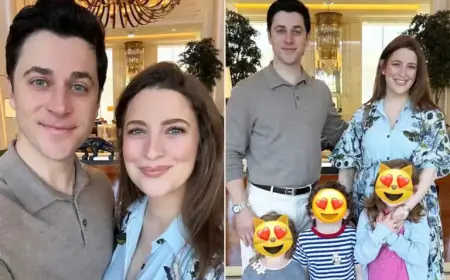
Representatives said he died from amyotrophic lateral sclerosis. He spent his final days surrounded by friends, his wife and two daughters, who were described as the centre of his world. Colleagues and campaign partners noted he was determined to make a difference for others; his public work had already helped raise substantial sums and brought renewed attention to obstacles in research funding and clinical care.
Known to audiences for more than 100 episodes of a long-running hospital drama in which he played a charismatic surgeon, and celebrated for roles in other series, he turned his platform toward an urgent health campaign in his final months. A memoir was noted as due to be published later in the year.
What comes next for the campaign he helped amplify
The multi-year funding drive he helped launch remains in place and aims to accelerate federal research investment; campaign organisers will continue efforts to meet the financial target set in September. The organisations he joined and supported have also signalled intentions to build on recent fundraising momentum.
Recent updates indicate his public advocacy had concrete fundraising results and elevated the conversation around ALS research priorities and care—details may continue to evolve as campaign timelines progress and the planned initiatives move forward.