
























Djia Edges Higher After Supreme Court Tariff Ruling as Oil, AI Fears and Private-Credit Strains Roil Markets

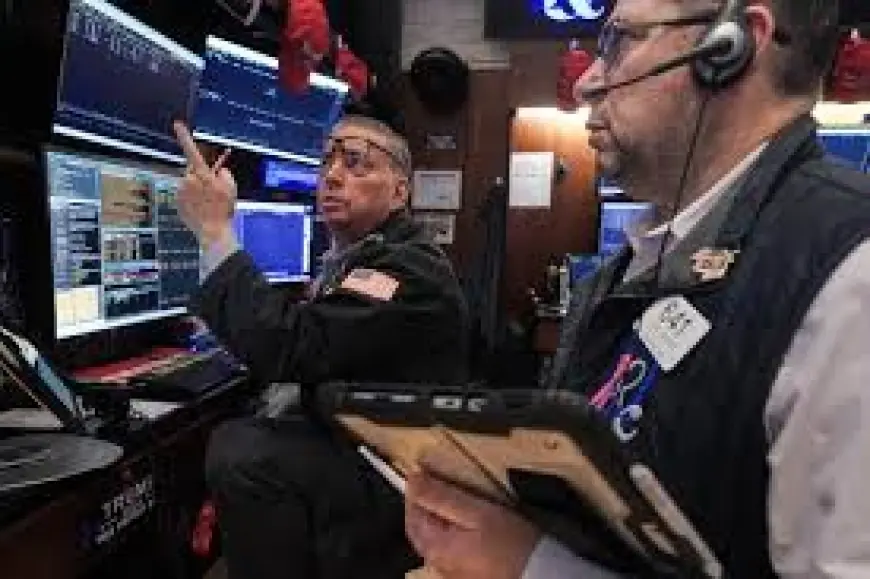
Stocks reversed earlier losses and closed modestly higher after a Supreme Court ruling limited presidential tariff powers, with the djia among major benchmarks moving up as investors balanced that development against fresh economic readings, private-credit jitters and geopolitical oil risks. The mixed signals left traders parsing what comes next for trade policy, corporate earnings exposed to AI disruption, and credit markets.
Djia and major indexes react to the court decision and market risks
In the session that followed the court action, the S&P 500 and the Dow Jones Industrial Average each rose 0. 2%, while the tech-exposed Nasdaq Composite climbed 0. 4%, reversing an earlier slide. Those gains contrasted with a separate, earlier session in which the S&P fell 0. 3%, the Dow dropped roughly 0. 5% (about 267 points) and the Nasdaq lost 0. 3%—underscoring how quickly sentiment swung as headlines and data arrived.
The djia’s modest advance came as investors considered the court’s decision that the International Emergency Economic Powers Act does not grant a president broad authority to levy tariffs, a development that market participants are still digesting. Details may evolve as the legal and policy ramifications play out and importers begin to adjust to a changing tariff landscape.
Private-credit stress, GDP and inflation data set the backdrop
Market moves were layered on top of economic data showing U. S. GDP growth running slower than expected in the fourth quarter, at 1. 4%, and a core personal expenditures index that rose more than forecast on both monthly and annual bases. Those readings keep inflation and growth dynamics squarely in focus for traders.
Concerns about the private-credit sector added another market headwind. A notable private-credit firm halted withdrawals and sold $1. 4 billion in private loans, including to its own insurer, a development that raised worries the action could be a canary in the coal mine for broader stress in privately held lending. Shares of private-credit managers fell in the wake of the news, amplifying volatility across related financial stocks.
Separately, estimates put potential refunds tied to the struck-down tariff program at as much as $175 billion, a sizable figure that importers and customs authorities will have to navigate if claims move forward. Policymakers have signaled intentions to pursue alternative measures that could mirror some tariff effects, though any replacements could be narrower in scope and slower to implement.
Oil gains and AI fears keep volatility elevated
Oil prices climbed amid worries about a possible military confrontation tied to tensions with Iran, lifting energy stocks and offsetting some losses elsewhere. Benchmark U. S. crude rose, while Brent also moved higher, supporting gains in several oil companies and contributing to intraday swings across the broader market.
At the same time, artificial-intelligence driven disruption continued to spook investors in specific sectors. Companies perceived as vulnerable to AI-driven competition logged sharp declines even when quarterly results beat expectations, evidence that the market is pricing in technology-driven risk well ahead of fully digested fundamentals.
Looking ahead, the interplay of the court ruling on tariff authority, fresh macro readings on growth and inflation, private-credit developments, and geopolitical risks tied to oil supplies will likely keep sessions choppy. Market participants are expected to monitor refunds and policy responses closely while weighing how AI-related uncertainty may reshape earnings prospects for a range of industries. Recent updates indicate these threads remain in flux; details may evolve as new information emerges.