























How Megan Keller’s Overtime Backhand Completed a Dramatic U.S. Women’s Hockey Gold Rally

In a sudden‑death finish that defined the tournament, megan keller converted a backhander in overtime to give the United States a 2-1 victory over Canada and the Olympic gold. The win capped a game that hinged on veteran resolve, a late equalizer and a unifying anthem moment on the podium.
Megan Keller’s overtime backhand wins gold
Megan Keller provided the decisive play 4: 07 into overtime, finishing a high‑pressure sequence with a backhand that put the Americans ahead. That goal completed a 2-1 result in favor of the U. S. in the women's ice hockey final at the Milan Santagiulia Ice Hockey Arena. The dramatic finish followed a tense regulation period and a game‑tying stretch late in the third.
The overtime environment — three skaters per side under Olympic sudden‑death rules — created open ice that the younger, faster U. S. unit exploited. The extra space favored a speed‑and‑skill approach, and it was in that setting that megan keller found the opening to secure the gold.
Late regulation momentum and the veteran spark
Earlier in regulation, Hilary Knight delivered a crucial response, scoring with 2: 04 left to force overtime. That tying goal shifted the momentum and set the stage for overtime heroics. Knight’s late effort was presented as a defining veteran contribution that helped pull the U. S. back into a contest in which Canada had been in control for much of the match.
Canada’s structure and veteran presence had kept dangerous chances at bay for most of the game. A shorthanded Canadian goal early in the second period appeared to be the decisive marker for much of regulation, and their goaltender was a consistent obstruction in close quarters. Yet the combination of late veteran execution and the three‑on‑three overtime format ultimately swung the outcome.
Anthem, celebration and what this means next
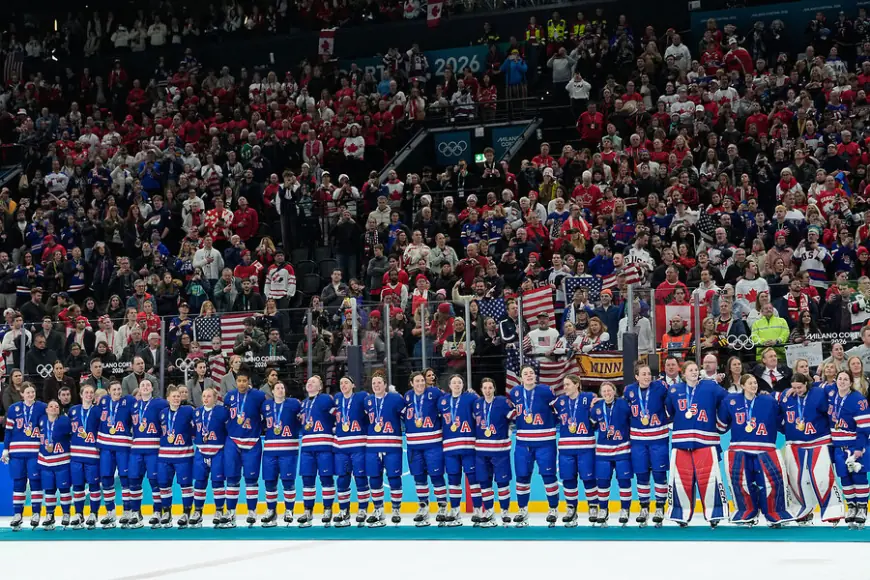
The victory ceremony resonated beyond the scoreboard. The U. S. roster stood arm‑in‑arm and sang the national anthem with the crowd at the arena after the win. Team leadership framed the moment as the emotional peak of the night, with players describing the anthem on the podium as hugely significant.
On the ice, the result extended a narrative of resilience from the American side: after being held in check for long stretches, timely veteran plays and an overtime finish delivered gold. Off the ice, the image of teammates linked and singing together highlighted team cohesion and the emotional weight of an Olympic title.
Game pattern, takeaways and forward view
- Scoreline: United States 2, Canada 1 (overtime).
- Key plays: late regulation equalizer by a U. S. veteran; overtime game‑winner from megan keller.
- Overtime format: three skaters per side opened ice and created the advantage that decided the match.
Beyond the single game, the final reinforced patterns visible through the tournament: matchups between these rival programs were tight, and small moments determined the outcome. For the U. S. group, the blend of veteran finishing and younger speed proved decisive in sudden death. For Canada, a strong defensive structure and a penalty‑killer that produced a shorthanded goal kept them competitive until the final seconds.
Looking ahead, the immediate focus for the U. S. team will be absorbing this gold‑medal experience and its defining moments — the late equalizer, the overtime conversion by megan keller, and the anthem celebration — while opponents will examine how open‑ice dynamics in three‑on‑three overtime can change high‑stakes outcomes. Details around roster legacies and program implications will evolve as teams reflect on the tournament’s close margins and emotional crescendo.