




















Alysa Liu wins elusive Olympic women's figure skating gold for U.S., reclaimed joy after stepping away

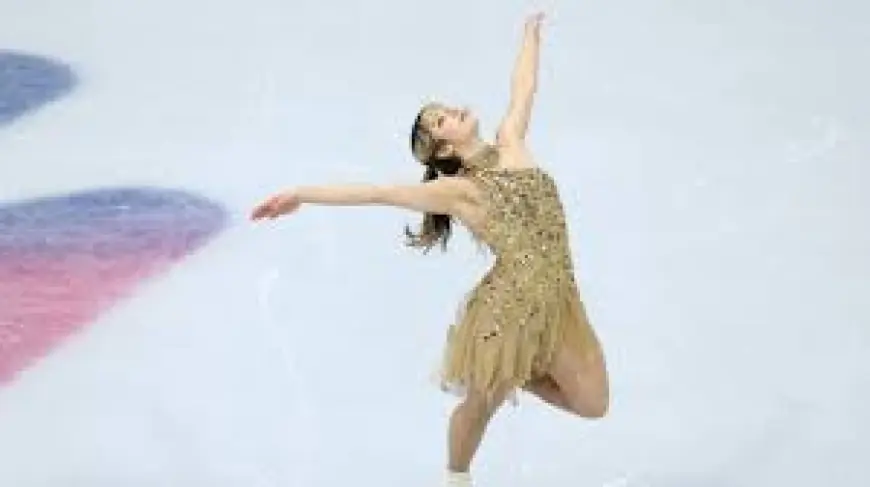
The 20-year-old from West Oakland, alysa liu, captured Olympic women's figure skating gold late in the competition, delivering a program that included seven clean triple jumps and lifting her from a third-place standing after the short program to the top of the podium. The victory is notable not only for the medal: it capped a comeback that began after she temporarily left the sport and reoriented her relationship with skating.
Alysa Liu: What happened and what’s new
What is confirmed: the skater walked through a packed mixed zone a quarter past midnight early Friday morning with an Olympic gold medal and a sequined, color-coordinated dress, having completed a free skate that featured seven clean triples. That performance leapfrogged her ahead of a pair of Japanese rivals who had been placed higher following Tuesday's short program, delivering a second gold for her within a 12-day span and making her the first American woman to win this event in 24 years.
The silver medalist was a 25-year-old skater from Kobe who has announced retirement after this season; she left the ice with visible emotion after a free skate that included a wobbly landing on a triple flip and a missed triple toe in a combination. The narrative of the podium included contrasts between one skater who finished with tears and another who celebrated a long-sought peak.
Confirmed background details about the champion include that she finished sixth in her Olympic debut at the previous Games, stepped away from competitive skating months after those Games citing mental fatigue, and during her time away enrolled at UCLA to study psychology. She spent time hiking in the Himalayas, took a Lake Tahoe ski trip that helped reconnect her to movement, and gradually returned to skating. In the run-up to the competition she described a period of strong dislike for aspects of the sport, saying she had hated fame, social media and interviews when she quit.
Behind the headline: context, incentives and stakeholders
This win is shaped by several overlapping dynamics. First, the athlete’s break from competition reframed her objectives: rather than chasing placements, she sought the chance to make her national team and to express artistry on the Olympic stage. That shift in motivation appears to have translated into a calmer competitive mindset and a clean free skate.
Stakeholders who gain from this outcome include the athlete herself—whose personal narrative now centers on a restored enjoyment of movement—and the national program, which claims a milestone with an American woman atop the podium after a long interval. Competitors who were in medal contention face the opposite effect: a narrow scoring margin and a painful close to a season that for some will include retirement decisions. The broader figure skating community gains a renewed focus on how athlete wellbeing and career breaks factor into performance and long-term participation.
What we still don’t know
- Details of the athlete’s immediate competitive plans following the Games, including whether she will continue at the same level.
- Specific changes in training or coaching that accompanied her return beyond the gradual resumption described.
- Exact scoring breakdowns and judges’ notes for the short program and free skate beyond the placement shifts.
- Longer-term decisions about public engagement, media obligations and how she intends to balance education and elite sport.
What happens next
- Continued competitive push: she leverages momentum to remain in elite competition, with triggers including a formal announcement of her competitive schedule.
- Selective engagement: she balances skating with academic pursuits and public appearances, triggered by statements about her priorities for the coming season.
- Transition toward other roles: if she opts to step back again, the trigger would be an announcement of retirement or a pause to focus on education and wellbeing.
- Influence on athlete-care practices: national programs could revisit support structures after this outcome, prompted by internal reviews or policy discussions about mental fatigue and athlete breaks.
Why it matters
The immediate practical impact is twofold: a high-profile result that alters the sport’s recent medal history and a personal story that reframes the relationship between elite performance and athlete wellbeing. For fans and athletes, the result illustrates that a period away from competition can coincide with renewed success rather than signal decline. For program administrators and coaches, the outcome raises questions about how to support athletes through burnout, balancing competitive ambition with long-term health and artistic freedom.
Near-term implications include renewed attention on selection processes, athlete transitions and the interplay between personal development—such as college studies—and elite training. The athlete’s experience is likely to be studied as a counterpoint to results-driven models that have pressured others, and it may reshape conversations about how careers are managed inside the sport.
Throughout this story, alysa liu’s career arc—from prodigy to withdrawal to Olympic gold—provides a distinct case study of how changing motivations and a reclaimed sense of joy can produce a top-level competitive outcome while altering expectations for athlete welfare.