






















Prince Andrew Arrested as UK Probe Raises Questions About US Accountability

prince andrew was arrested on suspicion of misconduct in public office and has been released under investigation, prompting police searches at his former residence and renewed debate about how accountability plays out across the Atlantic. The development has produced both official statements and opinion columns contrasting the UK response with the situation in the United States.
Prince Andrew: Arrest, Release Under Investigation, and Ongoing Searches
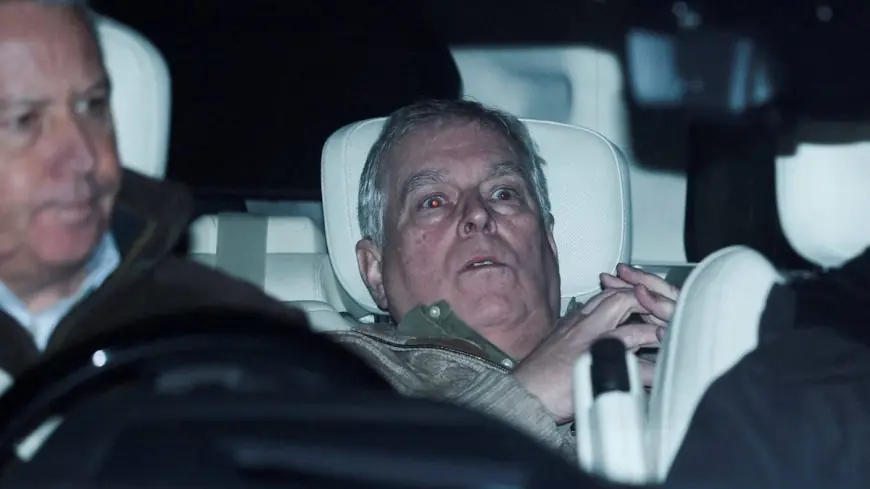
Authorities arrested the former prince on suspicion of misconduct in public office; he was later released under investigation. Unmarked police vehicles were observed arriving at his former home as searches continued, and he was photographed returning to an estate where he now lives. At one point he was also photographed leaving a police station following his release under investigation.
Police confirmed they were assessing a complaint over alleged sharing of confidential material involving the late convicted sex offender Jeffrey Epstein. The former prince has previously denied wrongdoing in relation to Epstein, and has not responded to requests for comment on the specific allegations linked to the release of millions of Epstein files in January.
The King was not told of the arrest in advance and later released a statement saying "the law must take its course. " Members of the wider royal household are understood to support that position. Media gathered in Norfolk and near royal residences as the sequence of events unfolded and authorities continued searches at the property identified with the former prince.
A legal commentator explained uncertainty over whether certain locations, such as private storage units, fall within police powers connected to an arrest. If they are not covered, investigators could pursue search warrants. The same legal perspective noted that privileges that might restrict access to official royal offices could be waived by the monarch if investigators seek entry.
UK Action Sparks Debate Over US Accountability
Opinion writing in recent coverage contrasted the UK response with perceived handling of related material in the United States. One commentary framed the arrest as a sign of robust investigation and suggested that similar consequences have not followed in the US for individuals whose names appear in the same files.
That opinion piece critiqued US leaders' responses to the release and handling of the files, and argued the British developments underscore differences in media scrutiny, institutional accountability, and political consequences. The piece described the arrest as a moment that some Americans viewed with envy, urging reflection on how transatlantic standards and practices differ when high-profile figures are implicated.
At the same time, the criminal investigation and parallel public debate remain distinct tracks: police actions and legal processes move forward while opinion columns interpret the political and cultural implications. The legal status tied to the arrest—suspicion of misconduct in public office and the formal state of being released under investigation—frames the immediate procedural reality even as broader conversations continue.
What happens next is primarily in the hands of investigators and prosecutors. Searches at the former residence have continued, and investigators may seek additional warrants if they determine material relevant to the inquiry resides elsewhere. Public statements from the royal household and the formal posture of the monarchy emphasize deference to the legal process: "the law must take its course. "
Recent updates indicate the matter remains under active investigation; details may evolve as police inquiries proceed and legal steps are taken. For now, the arrest of prince andrew has produced both concrete investigative activity on the ground and renewed transatlantic debate about how accountability is pursued when high-profile figures are implicated.