

























Ain Country explained: Why the AIN designation is not actually a country and what it means at the Winter Olympics

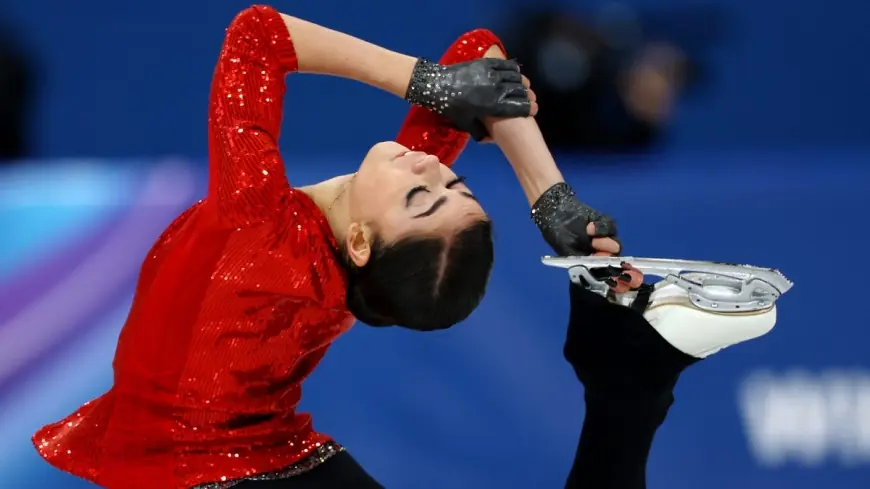
The term ain country has reappeared in headlines as Russian skater Adeliia Petrosian takes a spot among neutral competitors at the Winter Olympics. The label does not denote a sovereign state; it identifies athletes cleared to compete under neutral status while national flags and anthems remain absent.
Ain Country: what the letters mean and who competes under it
AIN stands for the French phrase Athletes Individuels Neutres. The AIN designation applies exclusively to athletes from Russia and Belarus who have been screened and cleared to compete without national symbols. A total of 20 AIN athletes are on the roster: 13 from Russia and 7 from Belarus. No AIN flag is displayed and no Russian or Belarusian national anthems are played for these competitors.
Where AIN athletes are competing and the medal picture
AIN athletes are present across multiple winter disciplines, and the AIN medal count has moved onto the board with one silver medal won by an AIN competitor in men's ski mountaineering sprint. That single silver was earned by Nikita Filippov, who is listed as representing the AIN designation. Athletes cleared as AIN remain eligible in the draw for more podium finishes.
Adeliia Petrosian and the spotlight on AIN athletes
Adeliia Petrosian, an 18-year-old skater competing as an AIN athlete, has drawn attention in the figure skating events. She was fifth after the short programme and faces a chance to improve her placement in the free skate. The women's free skate order lists Petrosian around 4: 15 p. m. ET, and another timeline places her performance shortly after 9pm in a different clocking; both schedules indicate close attention on her free skate as a possible medal moment for the AIN cohort.
The presence of fans tossing soft toys toward Petrosian and the restrained reaction on her face underline the unusual circumstances for competitors performing without national emblems. For many viewers and officials, results from skaters like Petrosian carry broader significance because they feed into ongoing debates about how and when athletes from Russia and Belarus should rejoin international sport under their own flags.
Why the AIN designation exists and what it changes
The AIN route allows individuals who passed vetting to participate despite broader national bans. Screening processes included reviews of athletes' public statements and social media to ensure no public support of actions connected to the conflict that led to the wider bans. This pathway created a limited, conditional route to competition while keeping broader restrictions on national representation in place.
- Who: AIN athletes are from Russia and Belarus; 13 Russians and 7 Belarusians are listed.
- What: AIN equals Athletes Individuels Neutres; no national flags or anthems for these competitors.
- Medals: AIN has recorded one silver so far, won in men's ski mountaineering sprint.
- Screening: Athletes were vetted, including checks of social media and public statements, before being cleared to compete.
The AIN designation is therefore a practical compromise: it preserves the opportunity for vetted individuals to compete while keeping national representation frozen. Observers are watching how outcomes for AIN athletes — including Petrosian's performance — will influence future decisions about national readmission and the trajectory of international sporting diplomacy.
Recent statements from sports officials and shifts in sentiment toward athletes suggest discussion about a broader return to national representation is active, but timelines and outcomes remain subject to change. For now, the AIN label serves as the formal status for these individual neutral competitors on the Olympic stage.