

























Suhoor Time and Global Fasting Hours: What Saudi Arabia’s Ramadan 2026 Announcement Means

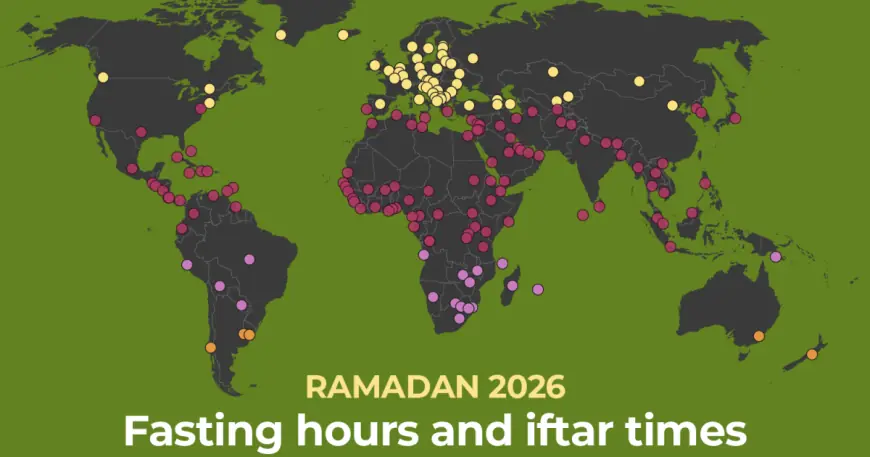
Saudi authorities confirmed the crescent moon sighting this week, setting the start of Ramadan 2026 and signaling that Muslims preparing pre-dawn meals will soon observe suhoor time before the fast begins. The announcement frames a month of daily dawn-to-dusk abstinence that will last 29 or 30 days and will look different depending on where observers live.
Suhoor Time: morning routine and what changes this year
Muslims typically wake before dawn to eat a meal called suhoor; once day breaks, fasting begins and continues until sunset. The exact suhoor time is determined locally by the moment of dawn each day and therefore varies widely by city and latitude. With Saudi moon spotters confirming the crescent on Tuesday, the first day of fasting is set to begin at sundown that night and continue through the following daylight hours.
Practical implications for suhoor time this year include predictable local scheduling: communities will set pre-dawn meal windows based on local dawn times, and those observing the fast should plan meals and medications around those morning cutoffs. For those who depend on community iftar and suhoor gatherings, the announced start date anchors communal calendars for the month.
Fasting hours and global patterns for Ramadan 2026
Daylight fasting during Ramadan 2026 will range from roughly 11. 5 to 15. 5 hours depending on location. In many places the duration will be about 12 to 15 hours, with shorter fasts for nearly 90 percent of the world’s population living in the Northern Hemisphere this year. On the first day, people in the Northern Hemisphere can expect about 12 to 13 hours of fasting, with durations increasing as the month progresses. Conversely, observers in southern countries such as Chile, New Zealand, and South Africa will experience some of the longest first-day fasts, around 14 to 15 hours, though those durations will decrease through the month.
These variations reflect the interaction between the lunar calendar and the solar year: Ramadan shifts earlier on the Gregorian calendar by about 10 to 12 days each year because the lunar year is shorter by roughly 11 days. That drift explains broader patterns noted this cycle, including projections that Ramadan will be observed twice in 2030, first beginning on January 5 and then starting again on December 26, and that fasting-hour trends will continue to evolve until at least 2031 when the month will align with the winter solstice in the Northern Hemisphere.
What observance looks like during Ramadan 2026
During daylight hours, those observing the fast refrain from eating, drinking, smoking and sexual relations to cultivate greater spiritual consciousness. The month is observed as a period of intensified worship, reading of the Quran, charity and restraint. Nighttime worship often includes optional Taraweeh prayers, and families frequently gather for iftar at sunset and for suhoor before dawn.
Ramadan concludes with the festival of Eid al-Fitr, which is expected to begin on the night of March 18, 2026, with the celebration lasting one day. On the morning of Eid al-Fitr, communities typically hold congregational prayers, exchange greetings of ‘‘Eid Mubarak, ’’ and mark the day with gatherings, new clothing, special meals and charitable giving.
Practical notes and uncertainties
The declared start follows the verified crescent sighting this week, but local calendars and exact daily suhoor time will be set by regional authorities and religious committees. Details such as precise local dawn times and the day-to-day timing of suhoor and iftar will vary by location, and those planning around the fast should confirm local announcements. Recent updates indicate the broad framework above; finer scheduling for each city will evolve as local authorities publish daily times.
For communities and individuals, the confirmed start of Ramadan 2026 provides a fixed point for planning spiritual practices, family gatherings and charitable activities, while the range of fasting hours underscores how the experience of the month will differ around the globe.