





















Punch The Monkey: What zookeepers and visitors can learn from an abandoned macaque’s bond with a stuffed orangutan

Why this matters now: caretakers and visitors are watching a small, tangible example of how hands-on care and simple comforts can change an animal’s chances of social reintegration. The rescued macaque nicknamed punch the monkey has become a live case study for zoo staff adapting techniques, and for the public that rallied around him online.
Punch The Monkey under the zookeeper lens — practical lessons and audience takeaways
For animal caretakers, punch the monkey’s story highlights three immediate considerations: how to replace early maternal contact when needed, how to introduce substitutes that encourage social development, and how to manage a public reaction that can influence on-site practices. Visitors and followers have treated the macaque’s attachment to a stuffed orangutan as both a comfort narrative and a prompt for broader questions about captive-animal welfare and rehabilitation strategies.
Here’s the part that matters for everyday care: a soft object that mimics fur and a primate-like shape can serve as a functional calming aid while hand-rearing continues, but reintegration into the troop still requires staged exposure and careful monitoring.
What unfolded inside the monkey mountain enclosure
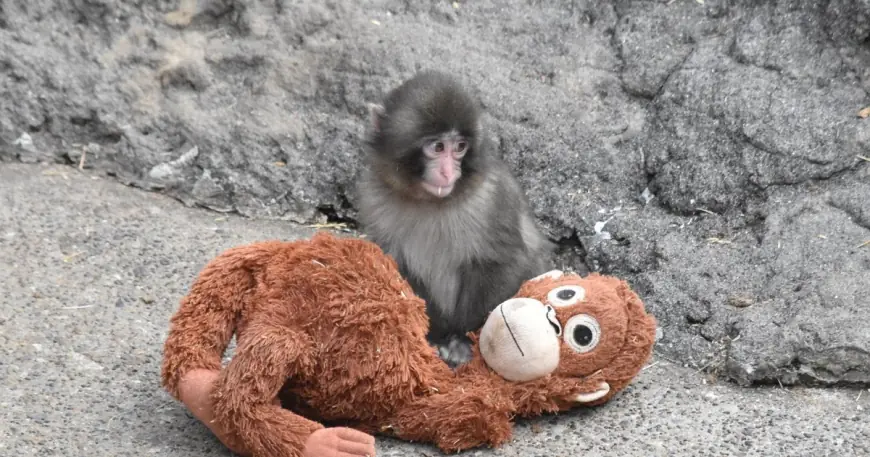
The facts: the young macaque, named Punch, is a male kept at a zoo in Ichikawa, Chiba Prefecture, east of Tokyo. He was born weighing 500 grams on July 26, 2025, and was left without maternal care the day after birth. Two zookeepers took over feeding and day-to-day care, keeping him close to the scent and sounds of other monkeys so he could later rejoin the group. When natural nursing contact was missing, keepers tried rolled towels and several stuffed toys; Punch gravitated toward an orangutan plush, which he used like a surrogate mother and often clutched at night.
Staff gradually increased his time with the troop and fully reintroduced him to the monkey mountain on January 19. Initial interactions were fraught: other monkeys were wary, Punch sometimes held onto the toy while approaching, and he experienced moments of intimidation. A visitor captured photos and video a few days later that spread online; the zoo’s own post on February 5 was reshared thousands of times, and social posts using a supportive hashtag generated tens of thousands of mentions in the following days.
What’s easy to miss is how intentionally paced reintroduction — combining proximity to the troop’s scent and sound with gradual physical exposure — aimed to build both social muscle and confidence rather than forcing immediate acceptance.
- July 26, 2025 — Punch born, 500 grams at birth.
- After birth — zookeepers began hand feeding and kept him near the troop’s scent and sounds.
- January 19 — full reintroduction to the monkey mountain enclosure.
- February 5–13 — zoo post and visitor-shared media trigger widespread online attention, with thousands of reposts and many tens of thousands of mentions.
- Forward signal: ongoing observation of Punch’s integration will show whether caregivers’ gradual approach leads to stable acceptance by the troop.
Among audiences, three groups feel immediate impact: caretakers refining hand-rearing protocols, visitors whose emotional responses shape public pressure, and other zoos watching practical tactics for similar cases. The public buzz has raised awareness but also places an onus on staff to manage both animal welfare and attention responsibly.
The real question now is how lessons from this single case will influence routine responses to abandoned infants: will tactile substitutes and staged reintroduction become more widely documented and adjusted in practice? Continued updates on Punch’s social progress will clarify whether this approach yields lasting social integration.
Key indicators to follow in the coming weeks include observable changes in how often Punch lets go of the stuffed orangutan during social interactions, frequency of positive contact with other troop members, and whether caretakers reduce the surrogate’s role as he gains social confidence.
The bigger signal here is public attention can accelerate sharing of on-the-ground techniques, but it also raises expectations that staff must manage carefully while prioritizing the animal’s welfare.