



The Utah Jazz have opened a running draft-rumor tracker ahead of the NBA Draft on June 23, promising to collect and link every workout report, mock and cap note as workouts keep coming. The page is positioned as a one-stop feed for Jazz followers expecting louder rumor traffic in the weeks before the draft.
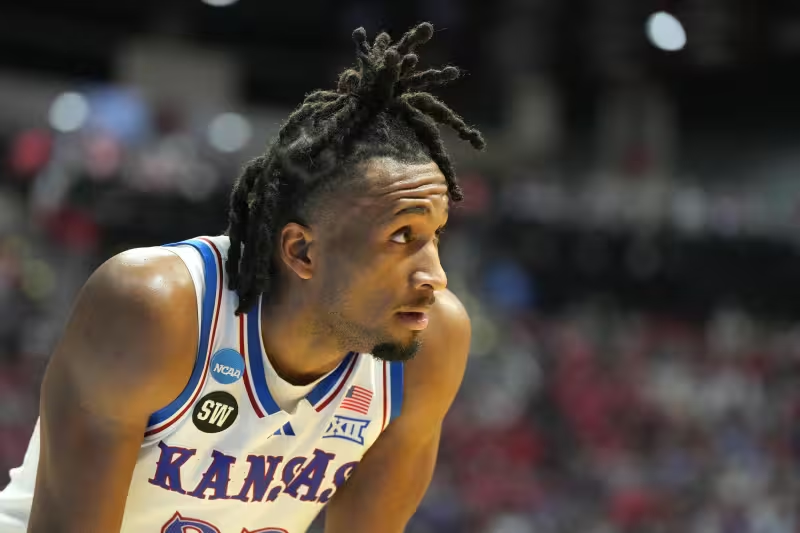
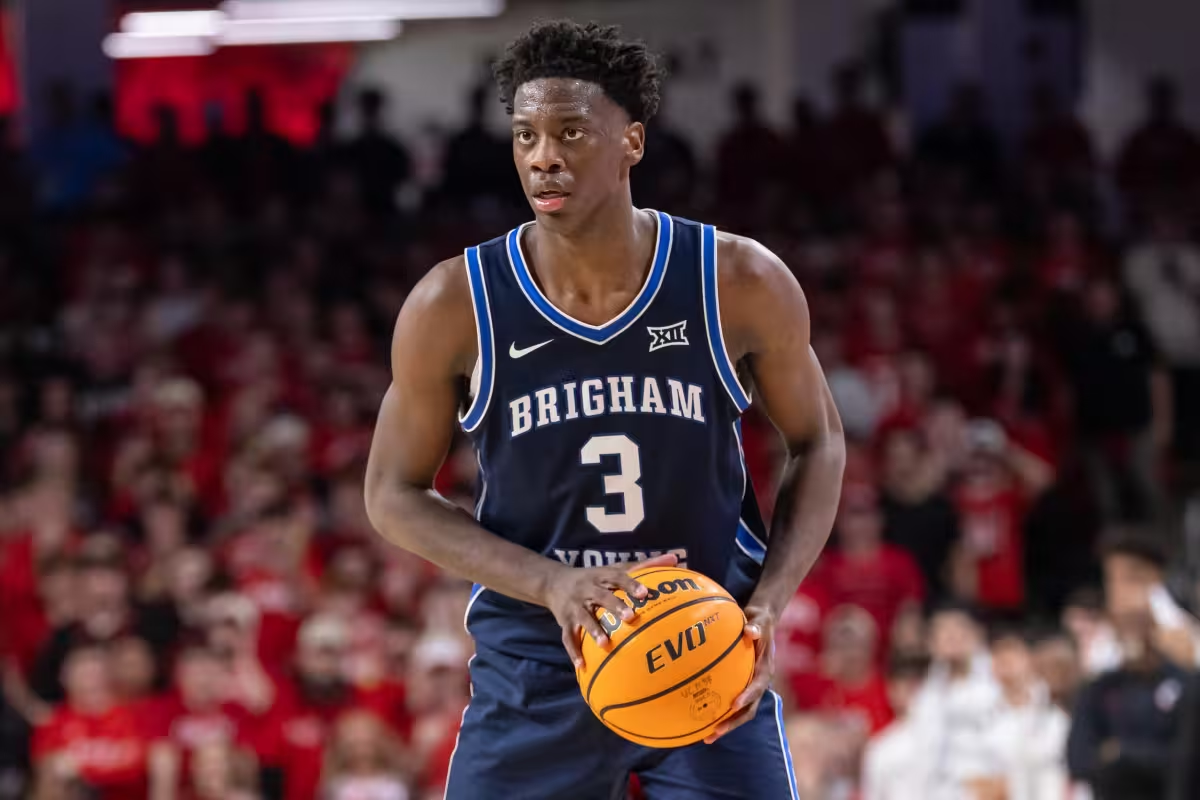
The hub promises four things readers care about: links to the latest mock drafts around the league, analysis of how the Jazz salary cap could shift with a new pick, prospect comparisons for names drawing interest, and a running list of rumors as workouts pop up. It flags AJ Dybantsa, Darryn Peterson and Cam Boozer as prospects whose NBA comparisons are worth watching.

That list matters because workouts will be the engine of the noise. Each private session, pro day or team visit tends to spawn a new round of speculation — who met with the front office, who left a strong impression, who might be on a draft-night radar. The tracker’s promise to link every relevant item turns those isolated reports into a single stream readers can follow as June 23 approaches.
Context: this is a rumor-tracking hub, not a transaction sheet. It serves as a bridge between raw reports and the decisions that arrive on draft night. For Jazz fans this matters now because mock drafts shift quickly and cap projections hinge on pick number; a single workout report can change which prospects are realistically under consideration and how the roster picture looks for the season that follows.
The friction is obvious on the page itself. It leans into aggregation — rumor links, external mocks and cap calculators — rather than publishing confirmed Utah Jazz draft moves. The site even pauses on a basic question it still hasn’t answered: which prospects have actually worked out with the Jazz? That omission is the clearest gap between chatter and confirmation.


Practical detail: mark your calendar for June 23. Until then, the tracker is useful only to the extent workouts and credible reports are posted and linked. Readers should use the hub to follow three signals that reliably predict action: verified workout confirmations, shifts in mock-draft placement, and any Jazz-specific cap analyses tied to a projected draft slot. Those are the items likely to move a rumor into a pick.
Roster-level stakes are practical, not poetic. The page connects draft odds and mock placements to the Jazz’s cap realities, because slot and salary interplay on draft night. If the Jazz are seriously eyeing one of the prospects highlighted — and the hub names Darryn Peterson specifically as a player who fits Utah’s style — the combination of repeated workout reports and a cap plan will be the clearest sign the rumor machine has reached reality.
The tracker also functions as a lens on narrative: AJ Dybantsa and Cam Boozer appear in the comparison column because they are the names that generate the biggest speculative leaps. The value of those comparisons is measurable — they shape expectations for fit and future trade value — but, again, comparisons are not confirmations.
What happens next is straightforward. Expect the volume and specificity of linked reports to rise with every workout posted; the unanswered question the hub leaves open today — which prospects have actually worked out for the Jazz — is the one to watch. When that list fills in, the rumor thread will either converge on a clear target or scatter into competing options.
The useful conclusion for readers: use the Jazz tracker as an early-warning system, not a ledger of completed deals. On June 23 the draft will turn rumor into results; until then, look for confirmed workout reports, shifts in mock placement and cap-impact pieces on that page to signal which rumors are likely to survive the trip from chat to choice.



