



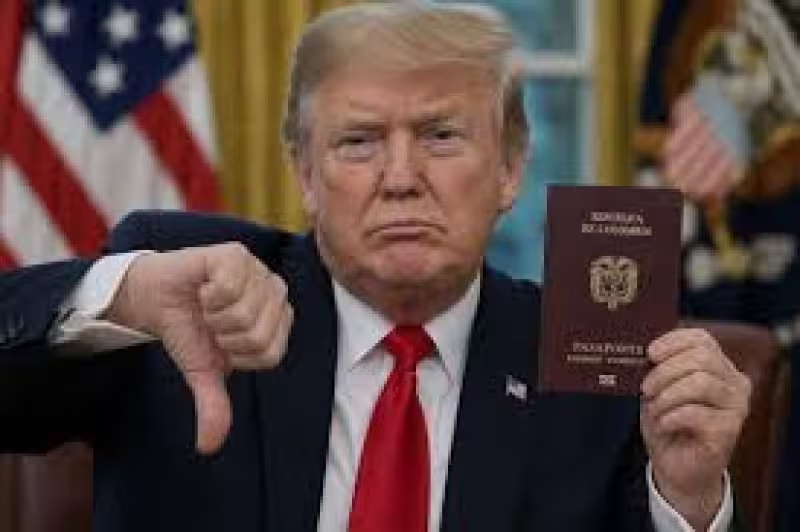
U.S. migration authorities can refuse or annul a foreign pasaporte—Colombian passports included—when the document shows damage, alterations or signs of tampering that affect its authenticity or make personal data hard to read.
The rule matters now because periods of high tourist demand and heavier travel flows increase the chance that inspection lines and security checks will be run under pressure; visible defects that slow verification or suggest outside intervention are more likely to prompt an on-the-spot decision to reject a document.

The Department of State says a passport loses validity for travel when deterioration affects its authenticity or makes the personal data difficult to read. Practical examples called out in guidance include rasgaduras, manchas and dobleces marcados—tears, stains and pronounced creases—that can obscure names, numbers or the photograph and therefore interfere with visual checks and electronic verification.
At a port of entry a migration inspector has the authority to decide that a passport does not meet required standards. If an inspector judges a pasaporte defective, they can require the traveler to obtain a new document before continuing the trip; a damaged passport may be treated as unacceptable identification for entry into the country.

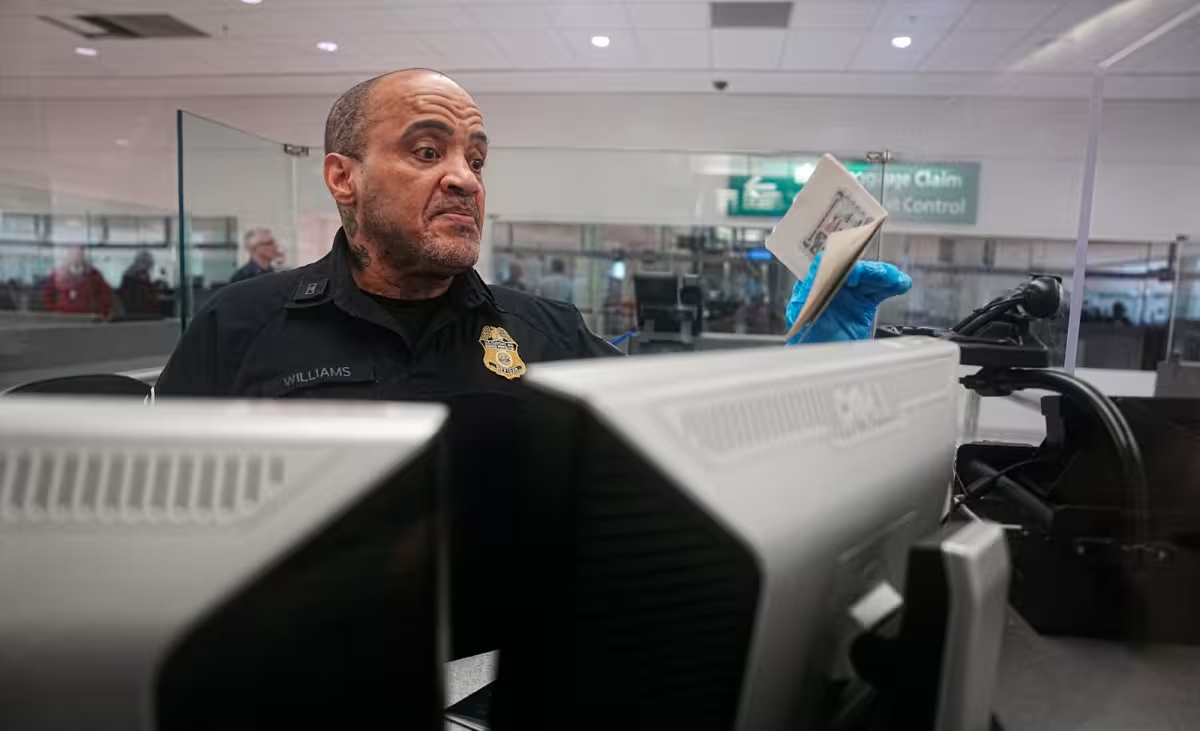

Normal signs of use do not invalidate a passport if its structure remains intact, even though visible damage can lead to rejection. Light wear from handling or minor scuffs that do not alter biographical data or security features generally will not strip a document of validity; the decisive factor is whether deterioration affects authenticity or legibility.
The immediate, practical consequence for travelers is simple and unforgiving: if your pasaporte is judged defective at inspection you can be stopped, turned back or prevented from boarding until you produce a replacement. The official recommendation is therefore straightforward—do not travel with a damaged passport; request a new one if there is any doubt about the document’s condition.
That prescription meets a real gap in the rules. The framework sets the standard—authenticity and readability—but does not enumerate every specific defect that will trigger refusal, so two travelers with similar-looking damage could receive different outcomes depending on the inspector, the nature of the damage and operational pressures at the checkpoint.
Given that discretion, the only reliable step for Colombian citizens and other foreign nationals is preemptive: replace a pasaporte that shows tears, stains, pronounced folds, obvious alterations or any deterioration that could call authenticity or legibility into question. Travelers facing imminent trips during busy travel periods should obtain a new document before departure to avoid denial of entry or lengthy delays at the border.



