



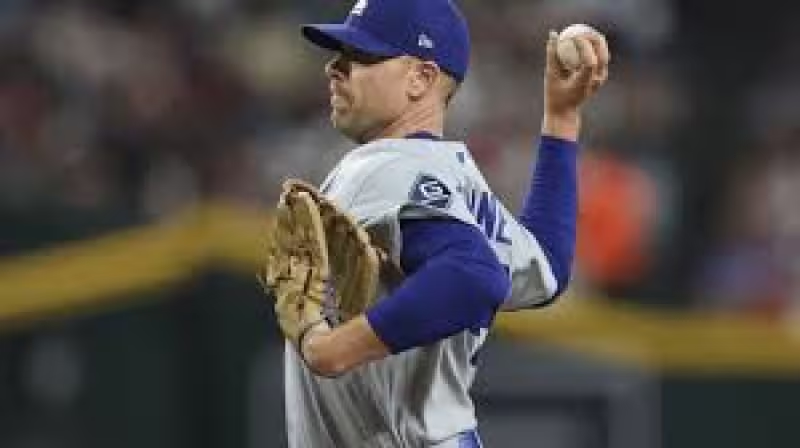
The Los Angeles Dodgers wore Pride hats during their June 5, 2026 game against the Los Angeles Angels, a visibly timed Pride Night that drew quick attention from MLB fans and social media observers while Blake Treinen entered the game in the top of the ninth.
Fans noticed the rainbow-brimmed caps across the Dodger roster and amplified the images online within minutes; the timing of Treinen’s appearance late in the game added a personal angle for some viewers because Treinen is deeply religious and has been open about his relationship with God.

That combination — team Pride Night gear and a high-profile, faith-forward player on the mound late in the contest — carried extra resonance because of recent history in Los Angeles baseball. Clayton Kershaw previously wrote a Bible verse next to his pride hat when he was on the team, and last fall Blake Treinen honored Charlie Kirk with his hat, a move that remains part of how fans interpret his on-field choices.
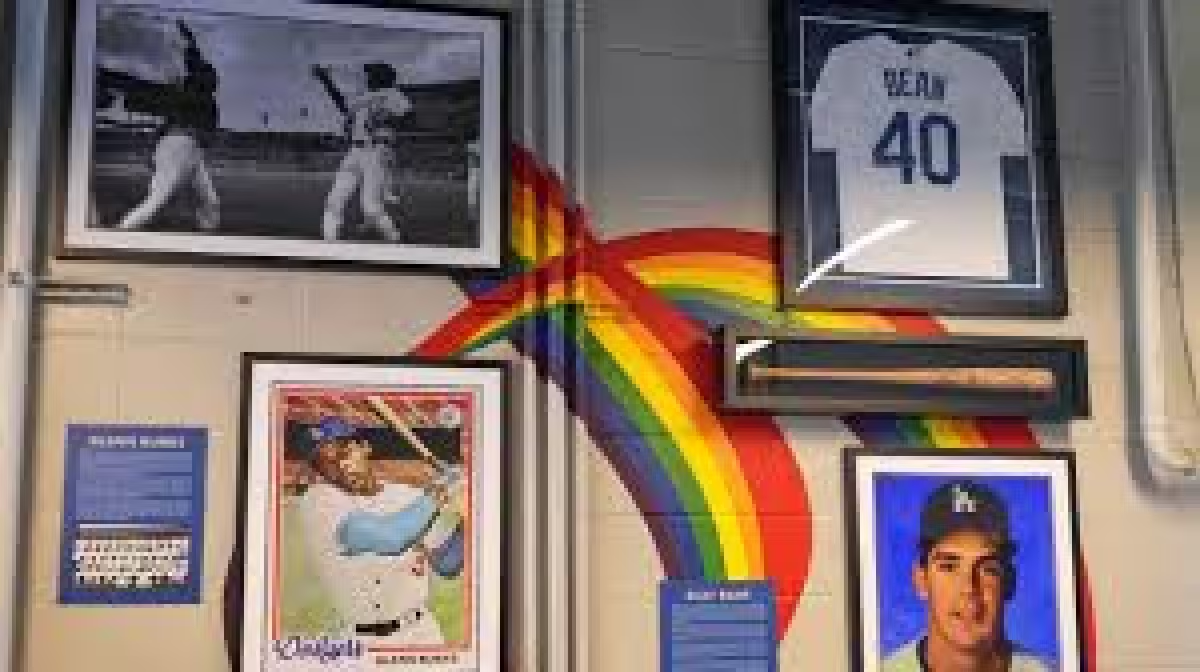
June is Pride Month, and the Dodgers have staged Pride-related promotions in the past; other organizations around the leagues have taken different paths, with the Texas Rangers declining Pride Month-related gear and scheduling a Faith & Family Night on June 18. Professional sports outside baseball have also staged Pride events — see Seattle Sounders Vs Lafc: Rivalry Reset on Pride Night Before World Cup Break — underscoring how these promotions have become routine calendar items and flashpoints for fans.
The immediate friction on June 5 was not a play on the field but a contrast: team-branded Pride hats visible to tens of thousands in the stands and the millions watching, set against a player whose public profile includes overt religious expression and high‑profile gestures in support of conservative figures. That mix made the night more talked-about than a typical promotional evening.
What the public reaction did not resolve — and what the available details leave open — is whether any Dodgers players declined to wear the Pride hats. That question matters because refusals, if they occurred, would shift the story from a promotional choice to a roster-level dispute over personal belief and organizational direction; the facts on that point are not provided here.
The most consequential unanswered item now is straightforward: will the Dodgers or individual players clarify how the gear was distributed and whether anyone opted out? Absent that clarity, Pride Night remains both a scheduled celebration and a live expression of how team promotions intersect with players’ public beliefs — a gap likely to prompt further scrutiny as Pride Month continues.



