

























Amber Glenn Finds Redemption in Near-Perfect Olympic Free Skate but Falls Short of a Medal

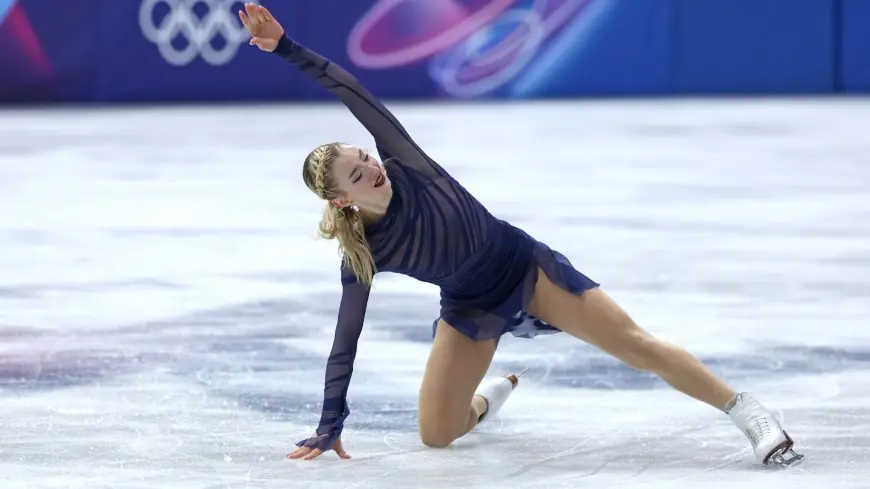
In Milan, amber glenn staged a powerful comeback in the Olympic free skate — landing a rare triple axel and turning in a notably strong performance — but her free-skate redemption was not enough to secure an Olympic medal.
Amber Glenn’s near-perfect Olympic free skate
Glenn entered the free skate starting from 13th position after a disastrous short program. Wearing her Team USA warmup before taking center ice, she opened her free program with a triple axel that energized the crowd at Assago Ice Skating Arena. The routine was strong and contained moments that reflected her technical ambition and competitive resilience.
Her free-skate score was 147. 52, producing a total of 214. 91. That total placed her on the leader’s couch with a dozen skaters yet to perform, and briefly raised the possibility of an American reaching the podium alongside teammates. Ultimately, she finished in fifth place while a flawless routine by Alysa Liu won gold with 226. 79, and Japan’s Kaori Sakamoto and Ami Nakai took silver and bronze with 224. 90 and 219. 16, respectively.
What the performance revealed about amber glenn and the Team USA dynamic
The free skate served as a corrective measure after earlier struggles. Glenn’s team event outing had shown uncharacteristic tentativeness, and the short program here left her starting the free skate in a deep hole. Her free routine, though not perfect, was widely seen as a redemptive effort — near the level of her best work and highlighted by a high-risk jump few female competitors attempt.
Glenn formed one-third of a trio of U. S. skaters that arrived in Milan with intense public interest and national momentum. That trio had been hoped to break a long U. S. medal drought in women’s figure skating, and the team still managed to secure the team gold for the country. For Glenn personally, the free skate offered both vindication and frustration: a clear demonstration of capability but not enough to transform earlier mistakes into a podium finish.
Scores, standings and lingering what-ifs
The final top standings in the event reflected a sharp separation at the very top and a compact cluster behind the leaders. Final totals included 226. 79 for the winner, 224. 90 for second, 219. 16 for third, and 214. 91 for Glenn in fifth. Glenn acknowledged the collision of emotions that followed — the satisfaction of skating well and the disappointment of missed opportunity — and described thinking about the many small margins that decide outcomes in elite competition.
Her performance underscored two recurring themes: the payoff and the peril of high-difficulty attempts, and the way a single subpar segment can reshape an athlete’s medal chances in a multi-part event. Glenn’s free skate delivered on difficulty and spirit; the earlier short program and the team-event struggle left less margin for error than she needed.
Looking ahead: implications from a Milan free skate
For amber glenn, the free skate in Milan will likely be remembered as both a personal redemption and a reminder of how narrow elite podium windows can be. The routine confirmed her technical ceiling and competitive heart, landing a signature jump and producing a top-tier free-skate score. At the same time, the final placement illustrates how cumulative competition phases interact to determine medal outcomes.
Glenn’s Milan showing will shape how she and observers evaluate the balance between technical ambition and consistency in future campaigns. While the Olympic podium eluded her this time, the performance offered a striking late answer to earlier setbacks and left little doubt about her capacity to contend when fully aligned physically and mentally.