





















Mens Hockey Olympics: Quarterfinal Chaos Forces a New Medal Calculus for Canada and the U.S.

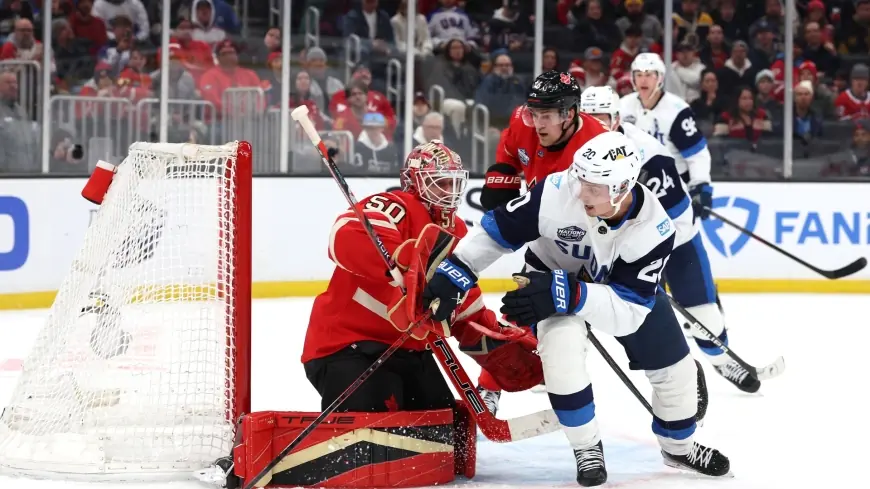
The recent quarterfinal roller coaster has changed the way teams — and fans — should read the Mens Hockey Olympics bracket. After multiple late comebacks and three straight overtime finishes, the semifinals are no longer just about talent on paper; they’ve become a stamina and depth test where injuries and special-teams swings could re-order the medal race.
Mens Hockey Olympics — Why the semifinal matchups now carry different stakes
Here’s the part that matters: late goals and extra-time drama drained more than just rosters — they recalibrated perceived edges. The favorites were pushed to the brink, and one top-line injury has left a significant question mark for a leading contender. With the tournament format compressing remaining margin for error, teams that can rotate high-end options and withstand physical minutes will gain a clear advantage.
What’s easy to miss is how those overtime games served as a real-time stress test for depth — not merely an adrenaline spike for highlight reels. Coaches who leaned on their top lines earlier may now have to balance matchups with fresh legs on shorter rest.
How the quarterfinals set the stage: key developments and match dynamics
The quarterfinals produced a mix of blowouts and dramatic finishes. One-sided opening play was followed by three consecutive games decided in overtime, and in multiple contests teams erased late deficits, including ties inside the final four minutes of regulation, sometimes with the goalie pulled for an extra attacker. Key offensive leaders stepped up in clutch moments, while some established stars faced availability questions after hard games.
- Top-line adjustments: Following an injury to a marquee captain, a coaching pivot stacked elite forwards on a top line, pairing a rising scorer with two established superstars; the rising scorer extended his tournament goal total to five.
- Special teams: One heavyweight’s penalty kill sits at 77. 78 percent, notably lower than expected, while a rival’s power play is at 20 percent — a potential leverage point if penalties mount.
- Goaltending form: Two starting netminders have posted strong save percentages at the recent neutral-site league, with one at. 922 and the other at. 936 — variables that could swing a tight semifinal.
- Scoring bursts: A marquee player tied a long-standing single-tournament points mark in fewer games than the original record-holder, highlighting individual hot streaks amid overall parity.
The real question now is how coaches will manage minutes and matchups across the semifinal and medal rounds. Expect tighter defensive plans, more conservative line changes, and an increased reliance on players who can produce on the power play without compromising defensive responsibilities.
Embedded timeline (quick rewind): after a stretch of historic quarterfinal intensity, this field moves into single-elimination semifinals where past Olympic precedent raises the stakes — one notable championship absence for a top nation dates back to 2006, a rare failure when top league players were available.
- Key takeaways: depth, health and special teams now carry outsized influence.
- Key takeaways: a single high-minute overtime can alter goalie rotation plans for the next match.
- Key takeaways: teams with one hot scorer can ride momentum, but sustained pressure exposes shallow benches.
- Key takeaways: a sub-80% penalty kill is a clear vulnerability in a shortened tournament.
The coaching comments matter less as slogans and more as timeline signals: one coaching staff has described a star as not ruled out for upcoming play but tied the certainty to a tight window for medical updates. That conditional availability forces contingency planning now rather than later.
Expect the semifinals to reward teams that can convert power-play chances and maintain goaltending steadiness under fatigue. If you’re wondering why this keeps coming up, it’s because tournament attrition compounds quickly — one injury or one collapsed penalty kill can determine who gets the final shot at gold.
Final editorial aside: the bigger signal here is that post-quarterfinal narratives matter more for roster management than they do for headlines. Teams that adapt their deployment and protect their depth over the next short turnaround will be the ones carving a clearer path to the podium.