

























Keely Hodgkinson's 1:54.87 indoor 800m world record reshapes the event and raises the bar for rivals

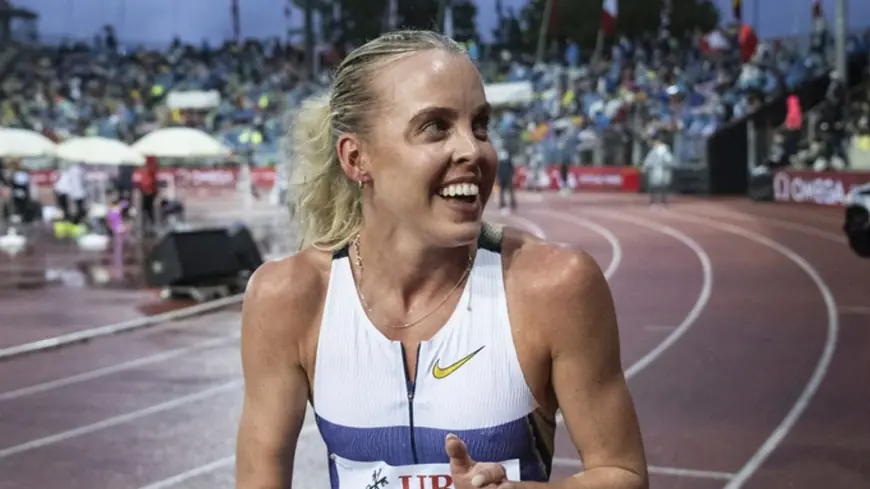
Why this matters now: keely hodgkinson’s run in Liévin instantly changes the target for indoor middle-distance racing — not just as a headline performance but as a new standard rivals and national selectors must measure against. The Olympic champion shaved almost a full second off a near-24-year-old mark, shifting expectations for pacing, race planning and who is considered an instant favourite in upcoming championship floors.
Immediate impact on competitors, championship standards and national depth — Keely Hodgkinson sets a new benchmark
Here’s the part that matters: competitors who had been chasing sub-1: 56 times now face a significantly lower ceiling. Keely Hodgkinson’s 1: 54. 87 run in Liévin does more than add a world record to her résumé — it alters race tactics used by pacemakers, raises the qualifying bar for indoor national performance lists, and reframes what a medal-contending indoor campaign looks like for other athletes.
What’s easy to miss is that this is not an isolated peak; it follows a near-identical domestic statement just days earlier, meaning her form was validated over more than one race this season. The shift will force coaches and meet organisers to reconsider everything from pacing plans to which events athletes target during the indoor season.
Race details and context behind the time
Keely Hodgkinson ran 1: 54. 87 in Liévin, France, breaking the previous indoor 800m world record of 1: 55. 82 that had stood since 3 March 2002. The effort opened with a 55. 56 split at 400m and followed a planned pace set for halfway at 55. 8 seconds by a designated pacemaker. She struck away from the pacemaking pattern after the 400m mark and maintained the tempo to the finish.
The achievement came five days after Hodgkinson had run 1: 56. 33 at the UK Indoor Championships, improving her national mark shortly before travelling to France. That sequence — a national-best performance followed by a world-record run — underlines a rapid rise in form through the opening weeks of the indoor season.
Her target for this record had been prefigured by earlier ambitions disrupted by two serious hamstring injuries the prior season; those setbacks included lengthy rehabilitation and a heavy focus on gym-based strength and power work that teammates nicknamed 'Keely 2. 0'. Despite those injuries, she returned to the world podium after a long gap and then pursued this specific indoor record at her own event plans before those plans were interrupted.
- New world record: 1: 54. 87 (Liévin, France).
- Previous record: 1: 55. 82 (set 3 March 2002).
- Key splits: ~55. 56 at 400m; pacemaker target at halfway was 55. 8s.
- Lead-up: 1: 56. 33 at the UK Indoor Championships five days earlier.
The real question now is how this time will influence selection conversations and early-season head-to-heads. Major indoor meets and national championships that once measured success by sub-1: 57 results must now reassess what counts as world-class indoors.
Bulleted indicators that will confirm the next phase of this story:
- Whether more athletes close to the all-time list improve their ratings this indoor season — that would show a broader performance uplift.
- How national indoor championship winning times change in the weeks ahead; a cluster of faster national marks would signal a trickle-down effect.
- Whether race organisers adopt similar pacemaking and wavelight pacing setups more frequently to chase fast times.
- Responses from athletes who were immediate rivals on the start line in Liévin, and selections for upcoming championships.
It’s easy to overlook, but matching a world record that had stood for over two decades — and which had been controversial in its history — carries durability expectations as well as scrutiny. For Hodgkinson, the run adds her name to a short list of British athletes holding world records in championship events.
If you’re wondering why this keeps coming up in selection conversations: the combination of a near-national-best one race and a world record days later creates a new reference point for form and fitness that athletes and coaches cannot ignore.
Writer’s aside: The bigger signal here is not just the stopwatch number but the way Hodgkinson converted recovery time after two hamstring tears into measurable strength and speed gains that paid off on the track.