

























ramadan 2026: Saudi moon sighting confirmed; France wrestles with rival start dates

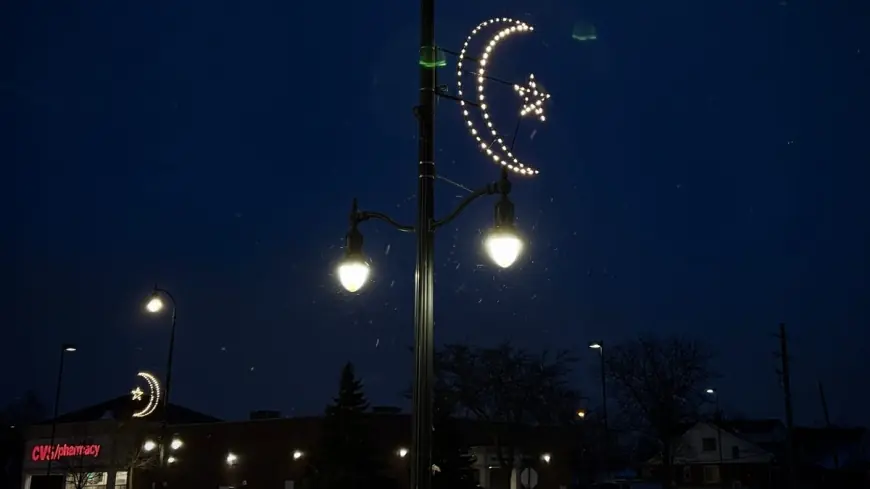
Saudi moon spotters verified the waxing crescent on Tuesday, Feb. 17, 2026 (ET), meaning the holy month of Ramadan will begin at sundown that day, with the first full day of fasting on Feb. 18. The announcement settles the start for many communities worldwide even as some countries and institutions issue differing dates, creating confusion in places such as France.
How the start was determined and what Muslims observe
The Islamic calendar is lunar: each month begins with the sighting of the new crescent and lasts 29 or 30 days. Trained observers in Saudi Arabia confirmed the crescent on Feb. 17, 2026 (ET), marking the start of Ramadan that night. Because the month begins after sunset, the first day of fasting, prayers and communal rituals will fall on Feb. 18 (ET).
Ramadan is the ninth month of the Islamic calendar and commemorates the revelation of the Quran. Observant Muslims wake before dawn for suhoor, then abstain from food and drink from sunrise until sunset, when the fast is broken at iftar. The month is used for intensified prayer, Quran reading, charity and self-discipline. Nighttime taraweeh prayers are commonly held in mosques, and families and communities gather for shared meals and worship.
Exemptions from fasting include young children, the elderly, pregnant or nursing people, the ill, and travelers. Those who miss fasts for health reasons can make them up later or, if unable, provide fidya—meals or donations to feed someone in their place. The month concludes with the festival of Eid al-Fitr, which is expected to begin on the night of March 18, 2026 (ET), depending on the next crescent sighting.
Why dates can differ — and why France saw a split
Communities around the world do not always mark Ramadan on the same Gregorian calendar day because of differences in method. Some authorities rely on physical sighting of the crescent; others use astronomical calculations, while some combine both approaches. These methodological differences explain why countries or institutions sometimes announce different start dates.
In France this year, a public disagreement between major Muslim institutions produced conflicting start dates, with some leaders aligning their call with the Saudi sighting and others using stricter astronomical criteria that place the start a day later. The split prompted social media reaction and practical headaches for families trying to coordinate iftar gatherings and communal prayers.
Such divergence is not unique to France. Across the globe, Muslim communities often follow local or national religious authorities, historical practice, or international signals from prominent religious centers. While many look to Saudi Arabia's moon spotters for guidance, others emphasize locally verifiable sightings or calculated calendars.
Practical notes for communities and non-Muslims
For Muslims, the confirmed crescent provides a clear calendar marker for planning worship, workplace accommodations, school schedules and communal events. Mosques typically publish prayer and iftar times, and many community groups will host shared meals and outreach programs during the month.
Non-Muslims are often invited to attend iftar gatherings and observe Ramadan traditions in a spirit of solidarity. Charitable giving tends to increase during this period, with many people focusing on feeding neighbors and supporting those in need. Observance and celebration culminate in the morning prayers and festivities of Eid al-Fitr, when families come together for communal prayer, meals, new clothing and acts of generosity.
With the crescent verified for the night of Feb. 17, 2026 (ET), millions will now finalize plans for a month of fasting, reflection and community that has both personal and public bearings across societies worldwide.