
























pam bondi Faces Backlash After DOJ’s Mishandled Release of Epstein Files

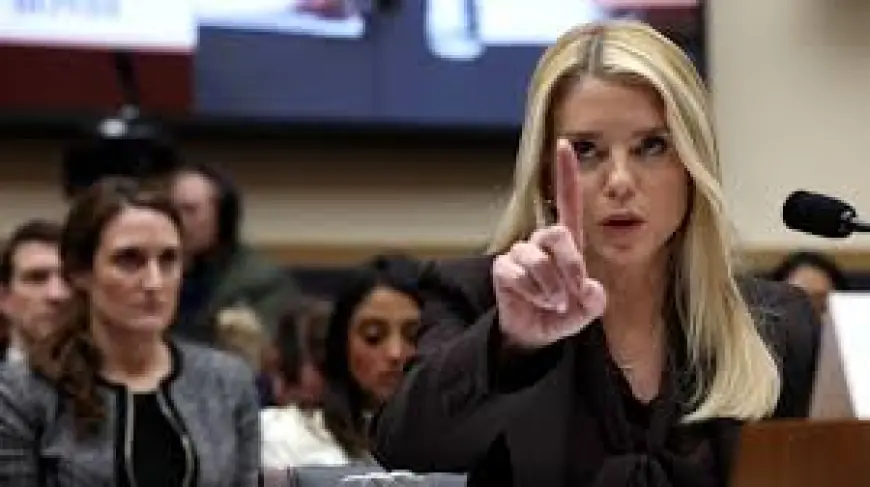
Attorney General pam bondi came under intense scrutiny this week during a House Judiciary Committee hearing over the Justice Department’s handling of documents tied to Jeffrey Epstein. Lawmakers, survivors and lawmakers described a chaotic release process that exposed victims to further harm while keeping the identities of several high-profile figures shielded behind heavy redactions.
Hearing highlighted sharp rhetoric and missed opportunities
At the hearing, bondi declined to apologize to victims who have sought accountability for decades and instead demanded an apology from Democrats to the President. Her exchanges with committee members turned personal; she labeled the ranking member a "washed-up, loser lawyer" and referred to Representative Thomas Massie as a "failed politician. " In one exchange, she deflected with an unrelated boast about the Dow Jones industrial average surpassing 50, 000 points.
Survivors in the gallery and advocates criticized the attorney general’s demeanor as tone-deaf and dismissive at a moment when many expected contrition and a clear plan to prevent further harm. The tenor of the hearing underscored broader concerns about whether the department prioritized political theater over victim protection and transparency.
Errors in the document release deepened victims’ trauma
The Justice Department’s public dissemination of Epstein-related materials included glaring failures. Officials uploaded dozens of unredacted images, some of which were described as nude photographs of young women and possibly teenagers. One survivor who testified in related proceedings said it was "hard to imagine a more egregious way of not protecting victims, " capturing the sense of betrayal felt by many who had hoped the process would finally respect their privacy.
Bondi had authority to release the documents earlier but resisted for months before action was taken. When the department did move forward, the execution left both privacy safeguards and basic quality controls wanting. Critics say the result was a preventable breach of trust that re-victimized people who have already endured prolonged legal and public scrutiny.
Redactions raise questions about whose interests were protected
Even as sensitive images and identifying material leaked into public view, large swaths of the files remain heavily redacted. Members of Congress who have reviewed the unredacted materials say roughly four out of five documents are obscured, and the names of several wealthy, influential men remain hidden. That contrast—carelessness with victims’ dignity paired with rigorous protection of elite identities—has prompted accusations that the release was selective, protecting certain interests while exposing others.
Lawmakers demanded a clearer public explanation for the scope and reasoning behind the redactions. Calls for reform include tighter protocols for vetting materials before publication, stronger safeguards for survivors’ privacy, and an independent review to determine how the department will balance transparency with protections in future releases.
The hearing laid bare a sharp dilemma for the Justice Department: demonstrate genuine accountability by protecting victims and providing clear justification for confidentiality decisions, or risk deepening public distrust with missteps that appear partisan or careless. For survivors and many observers, the recent rollout fell far short of what justice and basic decency require.