







Directors Say Reality Check Doc Would Have Happened Regardless of tyra banks' Participation

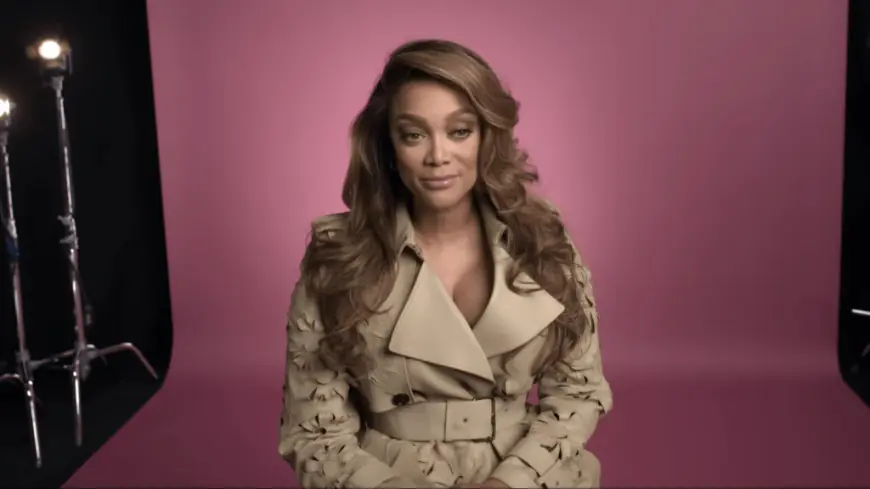
The filmmakers behind the new documentary series that revisits the controversies of America’s Next Top Model insist the project was underway whether or not tyra banks agreed to be interviewed. With the show now out on the streaming service, directors say her participation enriched the film but did not shape its existence or final structure.
Filmmakers: the project was always moving forward
Co-directors Daniel Sivan and Mor Loushy told journalists the documentary was conceived as an exploration of the program’s behind-the-scenes culture and controversies, and that decision-making for the film was never contingent on securing the founder and host’s on-camera cooperation. One director said the series was being made "regardless if she was giving an interview or not, " and that Banks ultimately chose to tell her side of the story.
That stance was offered as context for how the filmmakers approached interviews and archival material: the goal, they said, was to let participants reflect on moments that have since become flashpoints — from allegations of mistreatment to offensive styling choices that resurfaced in public debate — without allowing any single contributor to dictate the narrative arc.
Banks' role, boundaries and editorial control
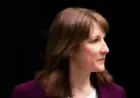
The directors said Banks sat for interviews but was not granted editorial control and did not view the finished cut prior to release. They emphasized that her willingness to speak on record added depth, particularly by providing firsthand accounts of the show's origins and her personal experience running a high-profile competition series.
At the same time, the filmmakers acknowledged there were limits to what she would discuss. The only subject they identified as off-limits was the state of her friendship with a longtime judge from the show. One director characterized her refusal to address that relationship bluntly: the director said her answer — that she did not want to talk about it — was not an evasion so much as an indication that the topic remained painful for her.
That mix of cooperation and constraint informs much of the series' tension. Viewers can see the archives and contemporary interviews placed side by side, while the filmmakers resist the notion that the presence of a central figure automatically transforms a project into a rehabilitation effort.
Public response and lingering questions
Responses to the series have been mixed. Many former participants and production staff appear on camera to recount troubling experiences, and those accounts have driven much of the conversation around accountability. At the same time, some members of the public have taken issue with what they perceive as an insufficiently contrite performance by Banks in her interviews, arguing she did not fully acknowledge or atone for certain incidents highlighted in the series.
The directors defended the film's editorial approach, saying the intent was to create a record of the show’s culture and to allow viewers to weigh competing recollections. They framed the documentary as a prompt for broader discussion, not as a court of final judgment.
As the documentary circulates, it raises familiar questions about how media institutions examine their pasts and how central figures in popular programs decide when and how to respond. The filmmakers maintain the series would have been made even if Banks had declined to participate, but they also contend that her contribution opened space for deeper interrogation of the show’s legacy. Whether that is enough for critics and viewers remains a contested outcome.