
























Amid destruction and loss, Gaza clings to ramadan traditions with resilience

Gaza entered the holy month of ramadan this week under a pall of grief, displacement and deep economic strain. Traditional gatherings and public celebrations have been replaced by efforts to survive daily shortages, rebuild shattered routines and preserve small rituals that offer comfort amid devastation.
Daily life under strain: casualties, displacement and winter’s toll
For many families, the spiritual rhythms of ramadan — dawn-to-sunset fasting, communal Iftar meals and late-night prayers — have been eclipsed by the urgent work of coping with loss and finding shelter. The Gaza Ministry of Health lists at least 72, 061 people killed and 171, 715 wounded since October 2023. Large swaths of infrastructure have been destroyed, and the majority of the population remains displaced.
Markets and streets reflect the collapse of livelihoods. "There is no cash among the people. There is no work. It is indeed Ramadan, but Ramadan requires money, " said Waleed Zaqzouq, a Gaza City resident urging merchants to recognise everyday hardship. For many, the challenge is not only spiritual but also material: with incomes gone and prices rising, preparing even modest Iftar meals is a daily struggle.
Harsh weather has compounded suffering. Extreme cold has claimed the lives of children, while heavy rains have flooded displacement camps and caused damaged structures to collapse. "There is no joy after we lost our family and loved ones, " said Fedaa Ayyad, reflecting a common refrain across neighbourhoods where mourning replaces festivity. Residents note that the streets are no longer lit with decorations as in earlier years, and public celebration has been severely curtailed.
Holding on to ritual: small acts of hope and community
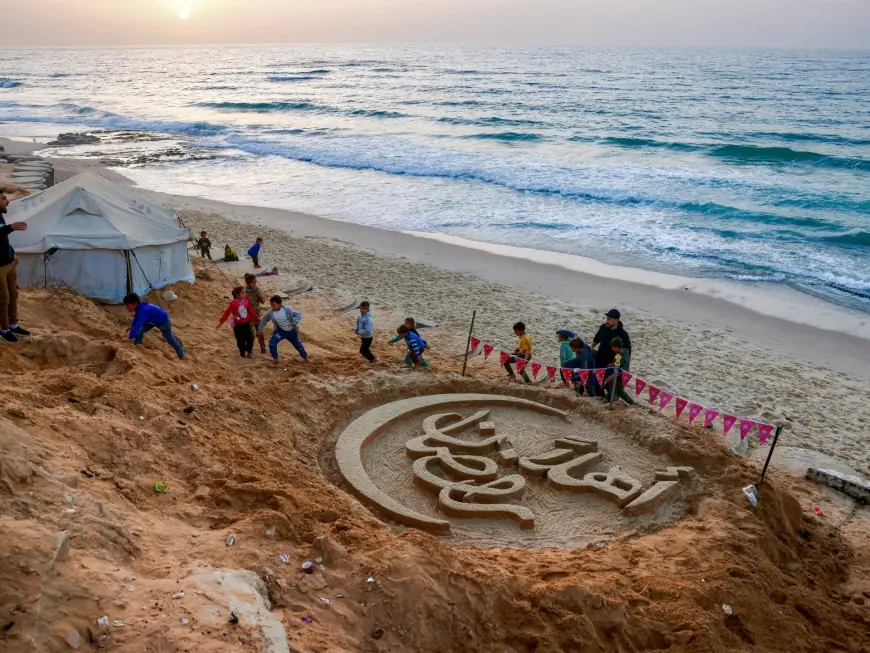
Despite the sweeping destruction, people are making deliberate efforts to preserve elements of ramadan that sustain morale and community ties. In parts of Khan Younis, a calligrapher painted an English phrase reading "Welcome, Ramadan" among the ruins as children gathered to watch. Simple decorative lights now hang from damaged poles and rubble-strewn alleys, and neighbours do what they can to share food and shelter.
"We are here in Khan Younis camp, trying to bring happiness to the hearts of children, women, men and entire families, " the calligrapher said, adding that the gesture was meant to send a message that people still seek life and normalcy. Mohammed Taniri, who has watched these small recovery efforts, noted: "When they provide such beautiful, simple decorations, it brings joy to the children. Despite all the hardships, they are trying to create a beautiful atmosphere. "
For many residents the public performance of ramadan — street lights, collective meals and the bustle of markets — is less important than quieter rituals: moments of prayer, sharing scarce food with neighbours, and acts of charity when possible. "In the past, the atmosphere was more delightful. The streets were lit up with decorations. Our children were happy, " said Raed Koheel, comparing the present month to those before the war.
Resilience amid uncertainty
The physical and psychological scars of months of fighting are evident, and a fragile "ceasefire" has been punctured by daily strikes, making planning and relief work precarious. Still, a thread of resilience runs through communities determined to mark ramadan even when celebration feels impossible. Residents organise small gatherings where feasible, maintain religious observances, and undertake symbolic acts of normalcy to shield children from the full weight of loss.
As the month progresses, the tension between mourning and ritual will continue to shape daily life for Gaza’s families. For now, ramadan is being observed in a landscape of rubble and rain, where preservation of dignity and small gestures of joy serve as acts of survival and testimony to the communities’ resolve.