















james talarico weighs in as late-night network fight reignites media oversight debate

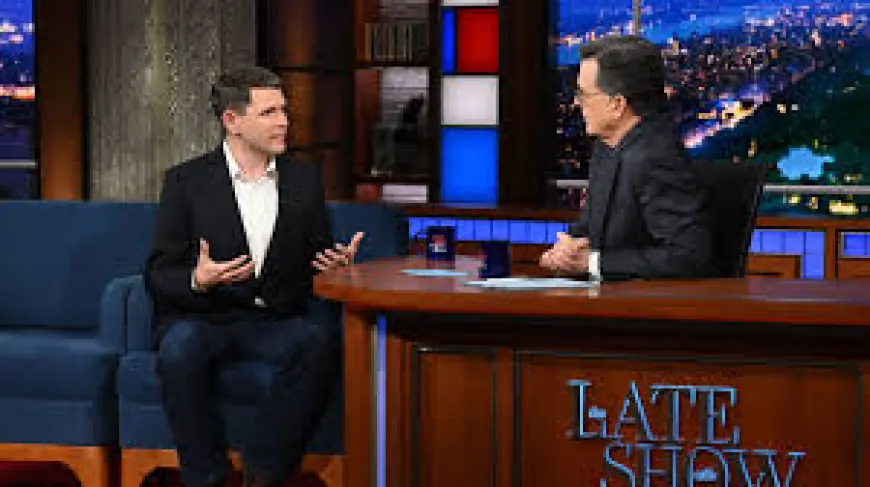
State Representative James Talarico on Feb. 18, 2026 (ET) pushed for clearer rules governing the intersection of entertainment and news after a high-profile dispute between a late-night host and a major network thrust questions of editorial independence and corporate influence back into public view. Talarico framed the episode as a broader test of how public-interest obligations should govern powerful media platforms.
Talarico's message: transparency and accountability
In remarks released late Wednesday evening, Talarico emphasized that the boundaries separating entertainment, journalism and corporate control have narrowed dramatically. He argued that when high-visibility figures clash with their employers in public, the fallout isn't just a ratings story but a governance issue with real consequences for civic life.
Talarico called for concrete measures to improve transparency — from clearer disclosures about editorial oversight to more robust safeguards preventing conflicts of interest at outlets that also serve as entertainment platforms. He highlighted concerns that audiences may struggle to distinguish promotional content or personality-driven commentary from fact-based reporting when the same companies produce both.
"Audiences deserve clarity about who is deciding what we see and why, " Talarico said. "When media institutions blur lines for profit or protection, democracy loses a check on concentrated influence. " He urged colleagues to consider bipartisan proposals that would require standardized disclosures and strengthen public-interest obligations for broadcast and digital outlets with substantial market power.
Political and policy implications
The governor's race and a number of legislative contests loom in several states, and Talarico framed media accountability as an election-year issue. He warned that unchecked consolidation and the mixing of entertainment with political messaging can distort public debate, particularly at moments when audiences look to high-profile personalities for guidance.
Lawmakers who favor regulatory updates see an opening: a public spectacle involving a well-known entertainer and their employer creates political momentum to revisit rules crafted in a different media era. Talarico suggested lawmakers could pursue targeted reforms that stop short of outright content controls but insist on clear labeling, corporate transparency, and protections for newsroom independence where it exists.
Opponents of new mandates are likely to argue that additional rules would chill creative expression and impose burdens on smaller outlets. Talarico acknowledged those concerns but stressed that proposals can be calibrated to protect both free speech and the public interest, focusing on disclosure requirements and conflict-of-interest restrictions rather than editorial mandates.
What's next: hearings and public debate
Talarico said he plans to raise the issue with relevant committees in the coming weeks and to convene briefings with media experts, legal scholars and consumer advocates. He indicated an interest in drafting model legislation that could be introduced at the state level and serve as a testing ground for broader reform.
Public reaction is likely to be mixed. Some media-watchers welcome a conversation that distinguishes entertainment from reporting, while defenders of current industry practices caution against heavy-handed responses that could backfire. The debate will hinge on how policymakers balance consumer protection, market dynamics and constitutional concerns.
For now, Talarico's intervention has pushed the conversation into the political mainstream, using a high-profile media dispute as a springboard to renew scrutiny of how modern media companies operate and how lawmakers should respond. He framed the moment not as a partisan play but as a civic task: to ensure institutions that shape public information operate with transparency and integrity.