














‘Love Story’ Sparks Backlash Over daryl hannah Portrayal

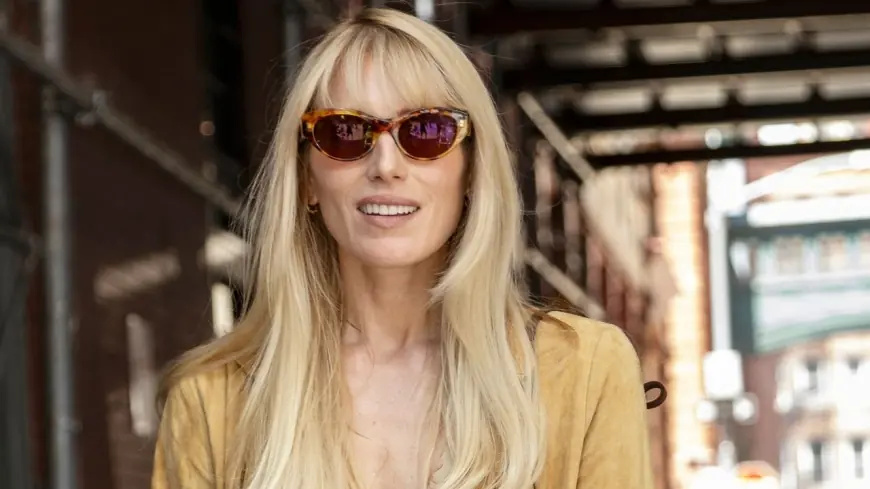
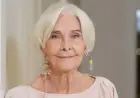
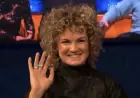
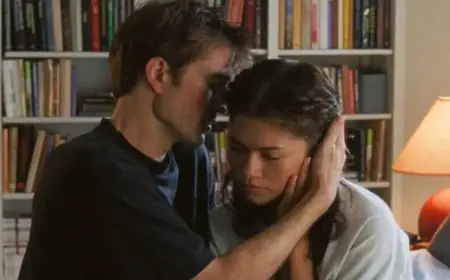
As the new dramatized series about John F. Kennedy Jr. and Carolyn Bessette unfolds, attention has turned to how one of their real-life romantic rivals is depicted. Daryl Hannah — portrayed onscreen by Dree Hemingway — has become the focal point of debate, with viewers and critics questioning whether the show’s version of her is fair, accurate or needlessly sensational.
Critics and viewers challenge the handling of a real person
Reaction has been swift after early episodes aired. Many viewers praised the leads for their performances and the series’ period detail, but the depiction of Hannah has drawn disproportionate ire. Commentators and social-media audiences describe the screen Hannah as shrill, petulant and written as a romantic foil rather than a fully formed person. Some have objected to moments that treat private grief and erratic behavior as comic or destructive plot devices, arguing that the portrayal reduces a complicated five-year relationship to caricature.
Those pushing back note that while dramatizations require conflict, there is a line between creating tension and flattening a real person for narrative convenience. A recurring gripe is that the show leans into sensational traits — one vignette equates the loss of a pet with another character’s family tragedy — that some say feel manipulative and disrespectful to the individuals involved.
Actor preparation and creative choices under the microscope
The actor who plays Hannah has discussed her preparation for the role, saying she studied interviews, consulted a dialect coach and leaned on the script to shape her performance. She has also described a genuine admiration for Hannah’s earlier work and activism, framing the role as an opportunity to inhabit a vivid, public figure from a charged era.
Still, critics argue that performance choices — whether in vocal affect, costume or behavior — amplify a particular reading of Hannah that colleagues and those who followed the original relationship might find exaggerated. The show’s creator has positioned the series as a dramatized retelling of a well-known romance and the attendant fallout, but several commentators contend that the line between dramatization and defamation deserves closer attention when living people are portrayed.
Possible consequences and the wider debate over dramatizing real lives
The debate around the series’ depiction touches on larger questions about responsibility in adapting recent history: How should creators balance storytelling needs with fairness to subjects who are still alive? What obligation do dramatists have to avoid repeating tabloid shorthand, especially when that shorthand risks defining someone for a new generation?
Some commentators have suggested that a more nuanced portrait of Hannah would have enriched the central love story rather than detracting from it, offering texture and moral ambiguity without turning a real person into a convenient antagonist. Others defend the show’s right to interpret, arguing that drama often relies on heightened character beats to propel narrative momentum.
As of Feb. 19, 2026 (ET), the conversation shows no signs of abating. Viewers continue to weigh in episode by episode, while the cast’s public remarks about preparation and intent have done little to quiet concerns about tone. Whether the controversy will prompt changes in how future episodes depict Hannah or spark formal responses from those portrayed remains to be seen, but the current backlash has already reframed how audiences approach dramatizations of recent public lives.