




![Florida Panthers Face Off Against [Team Name] on April 4, 2026](https://www.filmogaz.com/uploads/images/202604/image_430x256_69d2395a47e1f.webp)




















alysa liu leads Blade Angels into medal contention after strong short program in Milan

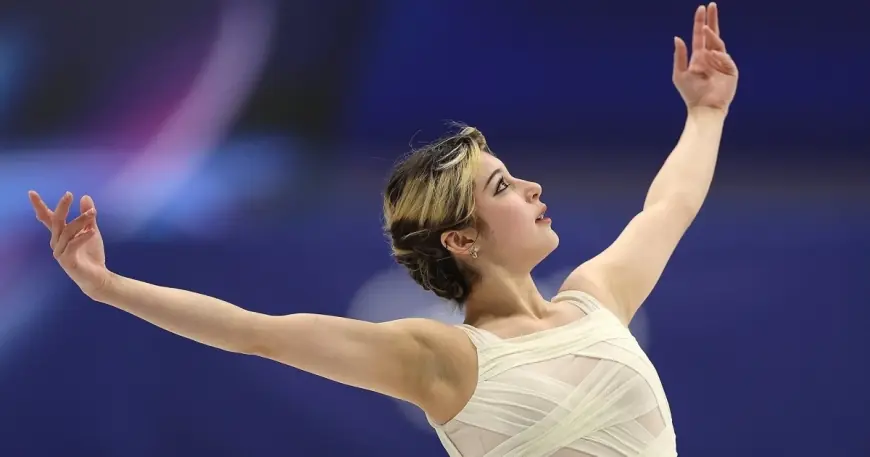
MILAN — Alysa Liu delivered a graceful, near‑flawless short program Tuesday night (ET) that put her firmly in the running for an individual Olympic medal, while teammates Isabeau Levito and Amber Glenn produced uneven results that complicate the United States’ hopes of ending a long medal drought in women’s singles.
Liu’s near‑perfect skate keeps U. S. hopes alive
Liu opened the night for the U. S. trio and skated to Laufey’s “Promise, ” posting a 76. 59 for a polished performance that drew a standing ovation from the crowd at the Assago Ice Skating Arena. A minor under‑rotation on her triple axel prevented an even higher mark, but the two‑time Olympian and reigning world champion left the ice feeling confident.
“I kind of liked it, ” Liu said after her skate, adding that she felt “super grounded” and more connected to the program than earlier in the season. Her score put her third on the leaderboard behind two skaters from Japan, leaving her well positioned heading into the free skate.
Liu’s short program carried the technical ambition and artistic control necessary for a medal bid. The near‑flawless showing also underscored the weight of expectation on the young American: she is the most experienced of the U. S. trio in Olympic competition, and she has demonstrated the consistency needed in both short and free programs to reach the podium.
Levito steadies; Glenn’s dream hits an early snag
Isabeau Levito delivered a composed skate, opening with a triple flip–triple toe combination and following with trademark precision and elegance. Her 70. 84 placed her eighth after the short program, a competitive position that keeps her well within reach of the leaders heading into the free skate.
By contrast, Amber Glenn’s routine unraveled when she failed to complete a combination jump midway through her performance. The error proved costly: Glenn finished with a 67. 39 and stood 13th after the short program. Emotional as she left the ice, Glenn’s night was a stark reminder of how quickly momentum can shift in Olympic competition.
All three skaters — Liu, Levito and Glenn — have embraced the nickname “Blade Angels” and carried significant expectations into Milan. Collectively they bring world and national titles, but Olympic hardware has eluded U. S. women in singles competition for two decades, increasing scrutiny and pressure surrounding each performance.
What comes next for the Americans
With the short program completed, the free skate will determine which of the Americans can convert opportunity into Olympic podiums. Liu has the most immediate momentum and will aim to keep her technical elements clean while deepening the artistic connection she described after the short. Levito’s steady outing leaves her with a realistic path upward if she can maintain technical control and add scoring value in the free skate.
Glenn faces the biggest task: overcoming the disappointment of her short program and delivering a near‑perfect free skate under intense pressure. The U. S. contingent has emphasized preparation and resilience in daily comments, and the trio has had ample time in Milan since the team event concluded more than a week ago to re‑focus and train for the individual segment.
Olympian and commentator Johnny Weir noted the geographic and stylistic variety the three skaters bring, highlighting how each athlete represents a different part of the country and a distinct approach to the sport. That diversity gives the team multiple strategic paths to a medal, but individual execution over the next program will decide which, if any, reach the podium.
The free skate looms as the decisive chapter for the Blade Angels. For Liu, the short program was a strong opening statement. For Levito and Glenn, the task is clearer — capitalize on strengths and limit mistakes — if the United States is to break its long medal drought in women’s figure skating.