
























How a federal shutdown could delay your irs tax refund — and steps to avoid being stuck

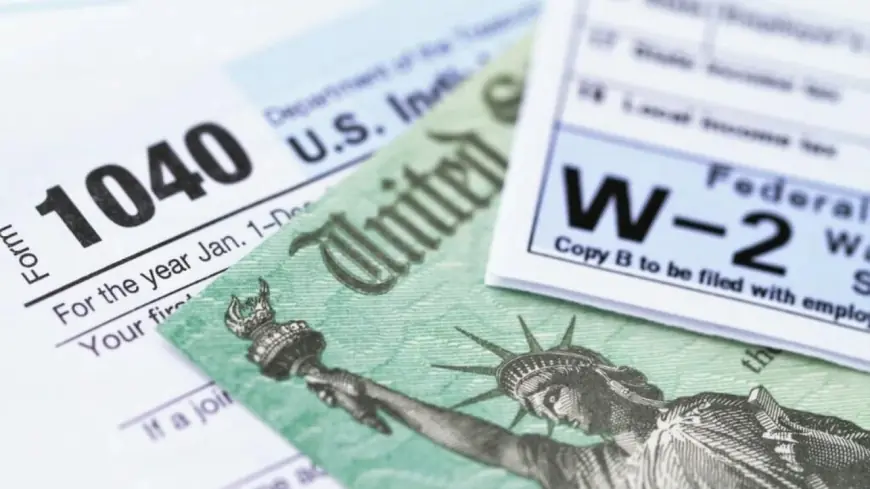
Automated systems at the Internal Revenue Service remain active during a partial federal shutdown, but reduced staffing and extra manual checks can slow some refunds. Taxpayers who claim certain refundable credits or whose returns require human review face the highest risk of delay. Here’s what taxpayers should watch for and practical steps to reduce the chance of a hold-up.
Which returns are most likely to be held up
Most electronically filed returns that are error-free and set up for direct deposit should still move through the system within the typical 21-day window. The friction appears when returns need manual review. Staffing shortages during a shutdown can lengthen the time those returns sit in a queue.
Certain filings are legally required to receive extra verification and therefore are more likely to be delayed. These include returns that claim the Earned Income Tax Credit (EITC) and the Additional Child Tax Credit. Federal law mandates additional screening of these refundable credits to verify income and identity, and that verification cannot be fully automated.
Other common triggers for manual review include identity-verification flags, math or information mismatches, and forms such as the Injured Spouse Allocation (Form 8379), which is used when one spouse’s refund is offset to cover another person’s past-due federal obligations. Paper returns are also much slower than e-filed returns and are more vulnerable to extended delays when staffing is thin.
How to check your refund and when to act
Taxpayers can track the status of their federal refund using the IRS “Where’s My Refund?” tool. The tool typically updates once every 24 hours and often reflects changes within 24 hours of the IRS accepting an electronic return. If you filed electronically, chose direct deposit, and have no filing issues, most refunds are processed within about three weeks.
If more than 21 days have passed since your return was accepted and the tracking tool shows no movement, experts recommend checking the tracker first before calling. If there’s still no movement after four to five weeks, it may be appropriate to contact the IRS for a status update. Keep records of filing dates, confirmation numbers, and any notices you receive — that information speeds any inquiry.
Practical steps to avoid delays and protect your refund
Simple steps at filing time can reduce the chance your return will require human review. E-file your return and elect direct deposit; electronic filing remains the fastest method. Double-check Social Security numbers, names, bank routing and account numbers, and ensure forms match documentation on file with the Social Security Administration and employer records.
If you claim refundable credits, be prepared to supply supporting documentation quickly if the IRS requests it. Respond promptly to any IRS notices and follow the instructions exactly. Beware of scams: the IRS will not call demanding immediate payment or ask for sensitive information by email. If you get an unexpected contact, verify it through official IRS channels before providing details.
Financial planners note that most refunds should continue to move even in a shutdown, but taxpayers who rely on refunds for bills or major expenses should plan for the possibility of a several-week delay. A partial federal shutdown does not affect state tax agencies in the same way; state refunds are managed separately, so check your state tax portal if you’re waiting on a state refund.
Key calendar note: taxpayers generally must file 2025 federal returns by April 15, 2026 (ET). Filing early, filing electronically, and choosing direct deposit remain the most reliable ways to get a refund as quickly as possible, even when federal operations are constrained.