


















Fans and Critics Clash Over wuthering heights book Adaptation by Emerald Fennell

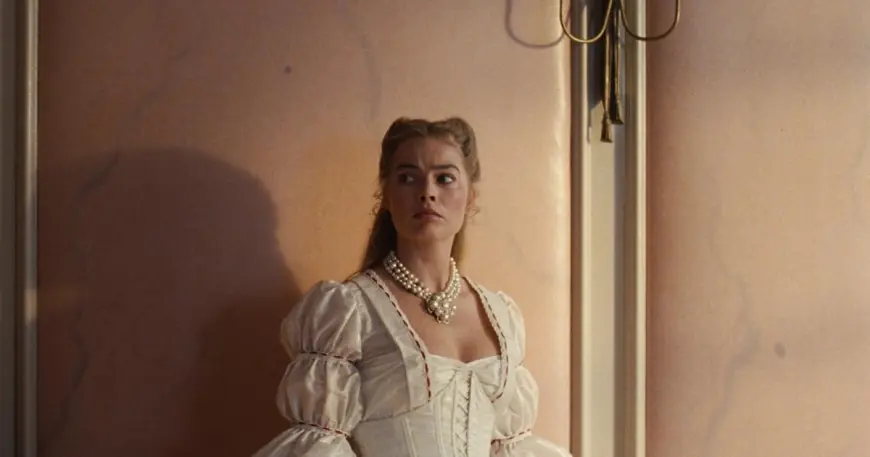
Emerald Fennell’s boldly stylised screen version of the classic novel has prompted a wave of strong reactions from viewers and scholars alike. Audiences praised sumptuous visuals and a provocative score but questioned key storytelling choices: trimmed plotlines, reworked narrators and a contentious casting decision that reopens long-standing debates about Heathcliff’s racial identity.
Audience reactions: sex, style and storytelling
Early viewers described a film that is often visually arresting and provocatively staged. Costume design, saturated colour palettes and a contemporary soundtrack were repeatedly highlighted as strengths, with several viewers saying those elements captured the novel’s moorland atmosphere in a fresh, visceral way. Night-of-release crowds and renewed interest in the novel — with secondhand bookshops unexpectedly selling out — suggest the adaptation has driven readers back to the original text.
Yet many of the same viewers who enjoyed the spectacle felt the film compromised the novel’s emotional core. A group of English teachers praised the contrast between lavish garments and bleak landscapes but criticised the handling of the central relationship, saying raw obsession and longings from the novel were reduced to something more superficial. Several audience members found the film’s sexual material entertaining but argued it lacked the novel’s ambiguous, corrosive yearning and the deeper, darker impulses that make the original so unsettling.
Another frequent complaint concerns the reworking of narration and character motives. A beloved, unreliable narrator from the book is recast on screen in a more explicitly manipulative light, a change that some viewers felt flattened the moral complexity and removed an important layer of interpretive uncertainty. At the same time, the director’s choice to conflate certain characters was greeted with mixed feelings: some combinations clarified relationships and streamlined the drama, while other shifts created inconsistency in a figure who oscillates between sympathy and cruelty.
Casting and the question of Heathcliff’s identity
The casting of the central male lead has reignited debates that stretch back to the novel’s original publication. Passages in the text describe the character as dark-skinned and use terms that, historically, pointed to ambiguous origins. Literary scholars have long argued that the character’s otherness is deliberate, with possible allusions to maritime trade networks, South Asian seafaring labourers and Irish prejudice, any of which would position him outside the novel’s white English class structure.
Onscreen interpretations have not consistently reflected that ambiguity. Over generations, the role has often been played by white actors, a history that some viewers now challenge. For many, the choice of a white actor for the new adaptation raises questions about fidelity to the novel’s themes of exclusion and racialized othering, while defenders of the casting emphasise performance choices and the director’s overall vision. The debate has quickly become part of a broader conversation about authenticity in adaptations of classic texts.
What was lost and what resonated
Beyond casting controversies, commentators have noted that the film omits or reshapes significant portions of the original narrative: the novel’s complex second half is largely excised, several characters are absent, and much of the layered, multi-voiced narration is streamlined to fit a tighter, more youthful perspective. For some viewers, that trade-off is a net loss—removing the structural tensions, class inflections and supernatural undercurrents that give the book its lasting power.
Still, the adaptation has undeniable successes. The production’s bold visual imagination, striking costumes and intense focus on desire have encouraged a new wave of readers to pick up the book and book clubs to re-examine it with larger turnouts. Whether viewers ultimately feel the film honours the novel’s darker truths or dilutes them into a modern fantasy of tragic romance, the cultural conversation it has provoked suggests the text remains disturbingly alive and capable of unsettling new generations.