












wuthering heights movie draws heat for neutering the novel’s menace while thrilling some viewers

Emerald Fennell’s latest adaptation of Emily Brontë’s 1847 novel has ignited sharp debate this weekend. Reviewers and audiences are sharply divided: some praise the film’s bold aesthetic and star turns, while others argue it softens the book’s brutal, strange core and sidesteps fraught elements of the original text.
Stylized spectacle replaces Brontë’s feral strangeness
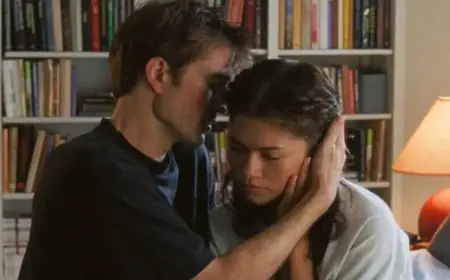
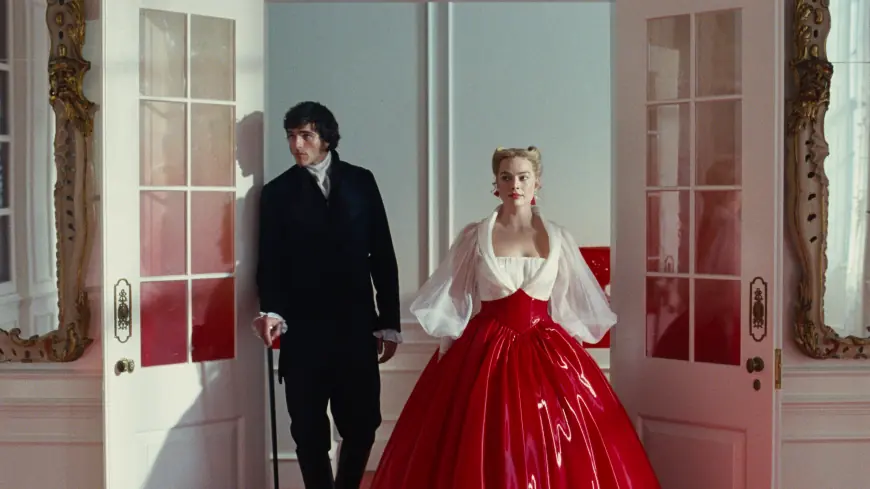
The film announces itself as a fantasia rather than a straight retelling, leaning heavily into provocative production design and a heightened sensory palette. Interiors papered in flesh tones, latex costumes and lingering closeups of bodily textures give the picture an unmistakable visual signature. Its soundtrack and glossy cinematography amplify that feeling of deliberate theatricality.
For some critics, that choice is a liability. Where the novel’s power comes from its simultaneous brutality and transcendence — a love that is monstrous and world-consuming — the film’s design choices are judged to render the story more showy than strange. The adaptation foregrounds eroticism and sleek visuals but, in this view, strips away the novel’s corrosive edge: the characters’ capacity to harm, to be monstrous partners, and to perpetuate damage across generations. In short, the raw, unsettling tension that once compelled readers is seen as largely absent on screen.
Character recalibration and charges of erasure
Central to the controversy is how the film reconfigures its leads. The two central figures are assembled as strikingly handsome and glamorous, a move that some argue neutralizes the moral complexity that made the novel unsettling. In the book, the lovers’ charisma is inseparable from their cruelty; making them conventionally alluring and sympathetic risks recasting the story as a standard romantic tragedy rather than an exploration of obsessive, destructive bonds.
Another flashpoint is representation. The original text includes charged descriptions of Heathcliff’s racial otherness that have long provoked discussion. This adaptation’s casting choices and character design have prompted objections that an important aspect of the source material’s social context has been downplayed or erased. Critics contend that removing or softening those elements changes how audiences understand Heathcliff’s marginalization and its role in shaping his behavior.
Audience reactions: fervor, fandom and contradictions
Notwithstanding critical reservations, the film has produced enthusiastic responses in many screenings. Private showings have attracted groups who embrace the movie’s eroticized energy and star chemistry, with some viewers describing the experience as rapturous and celebratory. For a portion of the audience, the film’s glossy, kinky sensibility and charismatic leads make it a thrilling reimagining rather than a betrayal.
That split — between viewers who relish a modern, stylized fantasia and critics who want the novel’s moral roughness preserved — raises a larger question about adaptation: When does reinterpretation illuminate a classic, and when does it hollow it out? This release is a case study in how high-profile remakes can sharpen disagreements about fidelity, intent and cultural responsibility. The director frames the project as an inventive, partial reading of a sprawling novel; for many readers, that partiality feels like a subtraction rather than an addition.
As awards season and wider box-office play out in the coming weeks, the debate is likely to continue. The film has already proven able to polarize, prompting renewed conversation about which elements of a canonical text are essential and which can be reimagined. For now, the adaptation has done what all contentious art intends: it has forced viewers to decide whether they want Brontë’s uncanny, savage love story preserved in its original disquieting form — or updated into a slick, sensuous fantasia for contemporary audiences.