











tyra banks Faces Fresh Reckoning as New Documentary Repackages America’s Next Top Model

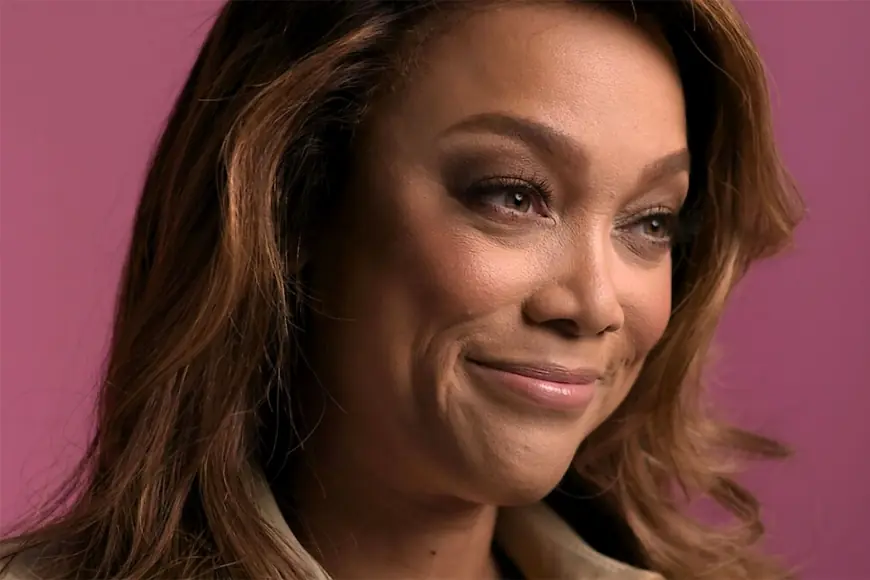
The documentary Reality Check: Inside America’s Next Top Model premiered this week (Eastern Time), reigniting debate over a once-dominant reality series and placing tyra banks squarely at the center of a wider reckoning. The film gathers former contestants, judges and production figures to reopen questions about exploitation, ethical boundaries in reality TV, and the responsibilities of celebrity creators.
Reassessment of a reality-TV empire
For two dozen seasons the show was a cultural phenomenon, shaping how reality television packaged ambition, beauty and personal drama. The documentary revisits memorable and controversial moments—elaborate photoshoots that pushed contestants into staged trauma, casting choices that produced offensive imagery, and production demands that prompted sudden medical and cosmetic interventions. Those sequences, many viewers now say, read less like entertainment and more like a factory for spectacle.
The program's resurgence among younger viewers on short-form social apps helped fuel this retrospective. New audiences discovered the show’s archive and raised questions about harm and accountability. The documentary attempts to map how a program built on emotional pressure and performative vulnerability normalized certain abusive production practices, and how those patterns were allowed to continue by an ecosystem that rewarded ratings above contestant welfare.
Banks’ role and the limits of self-scrutiny
The documentary repeatedly frames tyra banks not simply as a host but as a creative driver and executive who helped shape the program. That authorship matters: it places responsibility for the show’s excesses closer to the people who conceived and produced them. Participants in the film cast her as central to the show’s identity—both its ambition to uplift models into mainstream careers and its willingness to push contestants into compromising situations for televisual payoff.
Her decision to take part in the documentary complicates the narrative. On one hand, her presence allows for a firsthand explanation of intent and a defense of positive aims—opening doors for models and expanding definitions of who could be a public figure. On the other, it exposes her to repeated critique; the very interviews meant to contextualize past choices also reinforce that she held significant decision-making power when things went wrong.
Critics within the film and in the surrounding conversation argue that personal participation in a retrospective does not erase responsibility. It can, however, influence the shape of the public record. By engaging with the project, she remains an active voice in how the show’s history is told, blurring the line between accountability and narrative control.
What this moment means for reality TV and accountability
The documentary arrives at a moment when audiences are more attuned to the power dynamics behind reality programming. Questions about consent, trauma reenactment, racial insensitivity and production-driven interventions reflect broader cultural shifts. The show's revival in the public mind forced a generational dialogue about what viewers once celebrated and what they now find deeply problematic.
Beyond assigning blame to a single figure, the film forces a wider reckoning with industry practices: how contestant ambition is leveraged, how power is concentrated among showrunners and stars, and how fame can be both a ladder and a trap. The legacy of the series will likely be debated for years, with this documentary functioning as both a summation and a provocation.
For tyra banks, the debate is now public and persistent. The documentary reframes her as an architect of the franchise and a figure still invested in shaping its memory—prompting questions about whether participation in a retrospective can substitute for structural change in an industry that continues to rely on spectacle.