









UK picks Look Mum No Computer — look mum no computer eurovision song to headline Vienna 2026

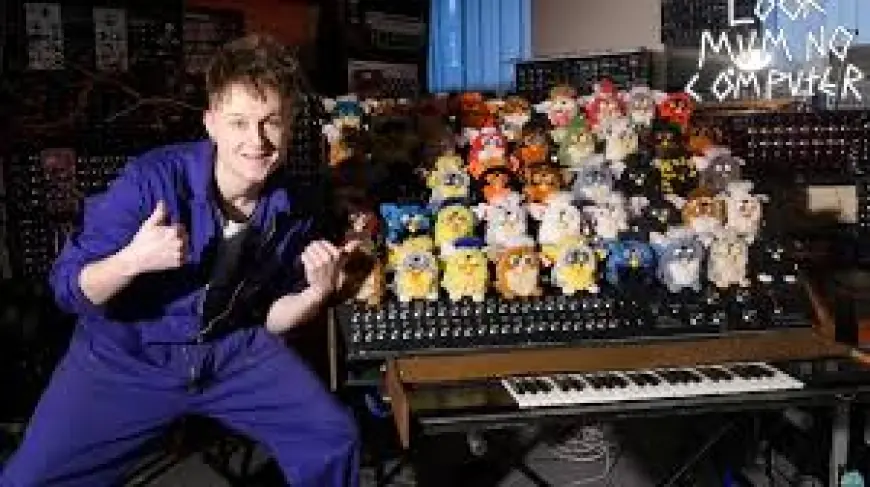
The UK has chosen electronic artist and inventor Look Mum No Computer to represent the country at the Eurovision Song Contest in Vienna in May 2026. The decision points to an embrace of experimental performance and DIY electronic creativity as the national entry prepares for one of the contest’s most unpredictable years.
From indie frontman to synth inventor
Look Mum No Computer is the stage name of Sam Battle, a musician and maker who first came to public attention as the frontman of the indie band Zibra. Since shifting to a solo career he has become known for building unusual musical machines and documenting the process online, amassing a substantial audience across social platforms. His body of work spans songwriting, live electronics and instrument invention, and he holds a Guinness World Record for constructing the largest drone synthesizer.
Battle runs a small museum dedicated to experimental and obsolete musical technology, and his projects often blend hands-on engineering with performance. He has previously used modified vintage hardware — from Game Boys programmed to play historic organs to organs fashioned from Furby toys — which has helped establish a reputation for the quirky and theatrical.
Expect a highly staged, instrument-forward performance
The song that will carry the UK flag has not been made public, but Battle has signalled that his approach will prioritise creativity and spectacle. "I have always been a massive Eurovision fan, " he said, calling the opportunity "completely bonkers" and promising to bring "every ounce" of his creativity to the live performance. He added that he hopes the contest is ready to "get synthesized. "
Given his track record, the live show in Vienna is likely to feature bespoke electronic instruments and visual inventiveness rather than a conventional pop staging. Past projects from the artist include synthesiser bicycles and flame-throwing keyboards, suggesting the UK performance could lean into engineered oddities and a strong visual identity designed to stand out in a field of increasingly theatrical acts.
What the selection means for the UK's Eurovision strategy
The choice marks a clear turn towards risk and experimentation for the UK. In recent years the country has tried a range of approaches in an effort to climb the scoreboard, and this selection reads as a calculated gamble: a move to capture attention and favour through originality rather than by following mainstream pop formulas.
Backers of the decision frame it as an opportunity to present a distinctive British voice on the international stage, blending humour, ambition and technical showmanship. Critics may see it as eccentric, but in a contest where novelty and memorable staging often resonate with voters, the pick could pay off. For now, expectations are wide open: the entry’s final reception will hinge on the released song, staging choices in Vienna and how viewers respond to a performance that promises to be unlike many that have come before it.
Battle has a devoted following and a reputation for detailed musical craftsmanship. If his live presentation translates that ingenuity into a cohesive song-and-stage package, the UK could turn an unconventional choice into one of the more talked-about moments of Eurovision 2026.