



















how to get to heaven from belfast — review: if you see nothing else this year, watch this

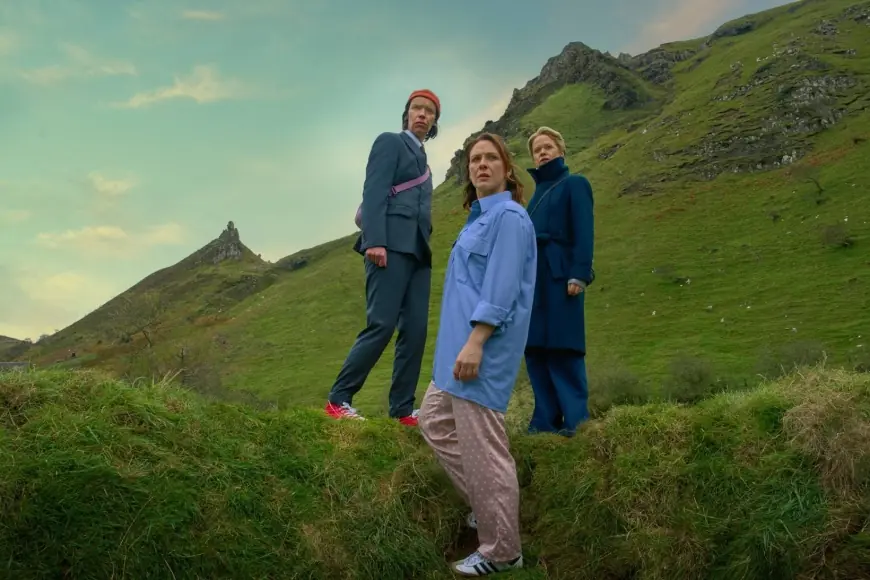
Lisa McGee returns with a show that trades the schoolyard chaos of her earlier hit for a combustible, road‑trip murder caper. The new eight‑part series pairs whip‑smart comic timing with a sustained mystery, anchored by three middle‑aged women whose loyalty and flaws drive every twist.
A bolt of comic energy with a mysterious heart
The series opens at a funeral where grief quickly curdles into suspicion. Three former schoolfriends — a TV crime writer, a carer and an exhausted mother — reunite and realise the woman in the coffin may not be who everyone thinks. Flashbacks to a traumatic night in a burning forest shack anchor the show’s central secret, while the present unfolds at a breakneck pace as the trio set out to untangle what really happened two decades earlier.
What distinguishes the series is its tonal agility. It can flip in a heartbeat from a dark, unsettling beat to a line of banter that lands like a punchline. That trade in contrast feels intentional: comedy humanises the characters, and mystery supplies stakes that keep the momentum taut across episodes. At times the narrative runs so energetically that viewers may wish for a beat to breathe; yet that propulsion also becomes one of the series’ main pleasures.
Performances and character dynamics fuel the caper
The cast is central to the show’s success. A standout performance sweeps through the ensemble in a role that balances razor comedy with emotional weight. The three leads sell the idea that long friendships carry both warmth and carefully guarded trauma, and their chemistry gives the investigation the believability of old loyalties reignited.
The wider supporting cast deepens the atmosphere. A local police chief, presented as an unsettling presence, lends the story an edge of menace; a grieving mother brings combustible family pressure; and a string of quirky, dangerous local figures complicate the women’s every move. The writing allows each performer moments to shift from absurdity to menace, and those pivots are executed with economy and purpose.
Beyond laughs and shocks, the show asks what we owe our younger selves and how secrets shared in youth can reverberate through middle age. The investigation becomes as much about reclaiming agency as it is about solving a crime, giving the plot emotional ballast that rewards patient viewers.
Landscape, production and a fresh take on place
Visually the series spans a wide geography. Location work moves from urban margins to windswept rural corners, using ruins and rugged roads to underline memory and dislocation. One evocative setting — an abandoned convent that doubles as a repository of the past — is used to haunting effect: empty corridors and relics of a school life gone by become shorthand for characters confronting former selves.
The production leans into regional specificity without resorting to caricature. Language, border quirks and local absurdities are woven into scenes as lived detail rather than punchlines, and the cast reflects a more contemporary, diverse picture of the island. That balance — between affectionate specificity and modern complexity — keeps the show feeling both rooted and refreshingly contemporary.
For viewers who loved the creator’s earlier work, the new series will feel familiar in its appetite for mischief and its ear for sharp dialogue. Yet it also marks a clear evolution: darker, more orchestral in mystery plotting, and willing to let its protagonists muddle through danger with the messy bravery of people who have never quite learned to be heroic.
In short, this is a singular, madcap mystery with heart. If you’re looking for a show that can make you laugh, unsettle you and keep you guessing, this one earns a top recommendation.