
























Being gordon ramsay review – did we really need six hours of him setting up restaurants?

Running to roughly six hours across six episodes, this extended fly-on-the-wall series follows Gordon Ramsay as he attempts one of his most ambitious openings yet: five separate dining concepts stacked across the top floors of a City skyscraper. The result is equal parts hand‑on family portrait, hospitality deep dive and glossy promotional exercise — intoxicating at times, repetitive at others.
A six-hour brand exercise with real stakes
The series is unabashed in its purpose. It documents the chef’s decision to invest heavily — figures mentioned include a multimillion‑pound outlay — and tracks the logistical headaches that follow: design debates, build delays, menu tweaks and the pressure of launching multiple businesses in one go. Viewers get to see the temptation and pitfalls of scale up close: a rooftop with a retractable roof, an Asian‑inspired dining room, a brasserie, private dining and a culinary school all being brought to life in the same project.
That breadth is both the series’ selling point and its chief weakness. At times the show functions like an extended advert, leaning on glossy reveals, reverent prep montages and repeated reminders that this is a once‑in‑a‑lifetime gamble for the man at its centre. Yet the lengthy runtime also allows for savoury detail: menu iterations, prototype fittings, and the small technical conversations that most food shows skim over. For anyone curious about what it takes to open restaurants at scale, those sequences are oddly compulsive.
Human moments and the perfectionist engine
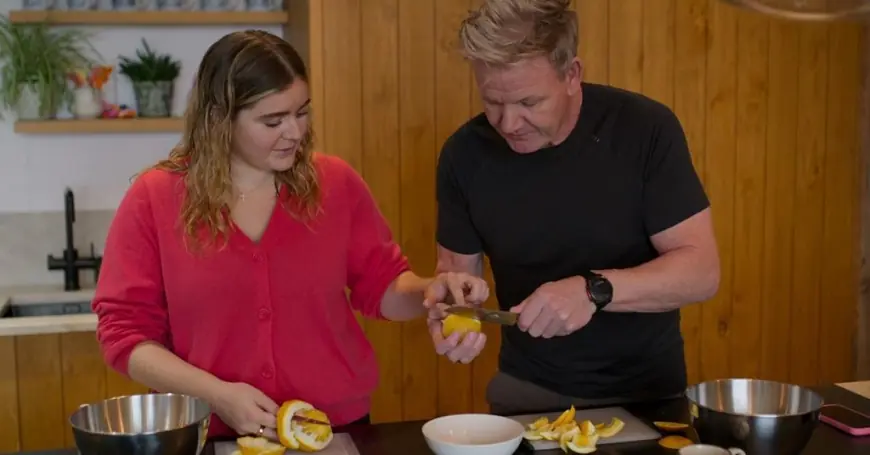
Interspersed with the boardroom tension are personal scenes that soften the image of the famously fiery restaurateur. Home footage of family life — breakfasts, children’s antics and quiet parental support — punctures the relentless professional persona and offers a reminder of the personal stakes behind the public hustle. These domestic vignettes make the chef more relatable and provide a useful counterpoint to the high‑pressure build sequences.
More revealing, though, are the moments that show why his teams listen: an obsessive attention to detail and an intolerance for compromise. The camera lingers on tiny adjustments — the size of a rum baba, pocket placement on aprons, the decision to scrap leather seating — that convey an ethos of relentless standards. Those small, often seemingly trivial choices illustrate how quality is negotiated in hospitality and why the drive for perfection can be both inspiring and exhausting to watch.
Too much launch drama, not enough critical distance
Even when the series offers candid frustrations — shouting matches, sleepless nights and last‑minute pivots — it rarely steps back and interrogates the broader picture. The narrative stakes are amplified, but the framing remains sympathetic: setbacks are trials to be overcome, rather than opportunities to contextualise broader industry trends or labour tensions. That lack of critical distance means viewers are often watching a well‑financed personality project more than an investigative portrait of modern restaurant business.
For viewers who want pure kitchen theatre and charismatic leadership, the show mostly delivers. For those seeking a sharper critique of expansion, branding or the economics of contemporary dining, the series can feel repetitive and self‑referential. The length magnifies that tension: six hours grants room for intimacy and craft, but it also stretches the central conceit until it risks redundancy.
Ultimately, this is a programme that trades in contrasts. It celebrates craft and compulsion in equal measure, offering moments of genuine warmth and technical fascination while doubling as a high‑gloss business showcase. Whether that balance feels like value will depend on how much of the Ramsay world you want to inhabit for half a day or more.