


















Aftermath of tony clark’s exit sparks intense hunt for MLBPA interim leader

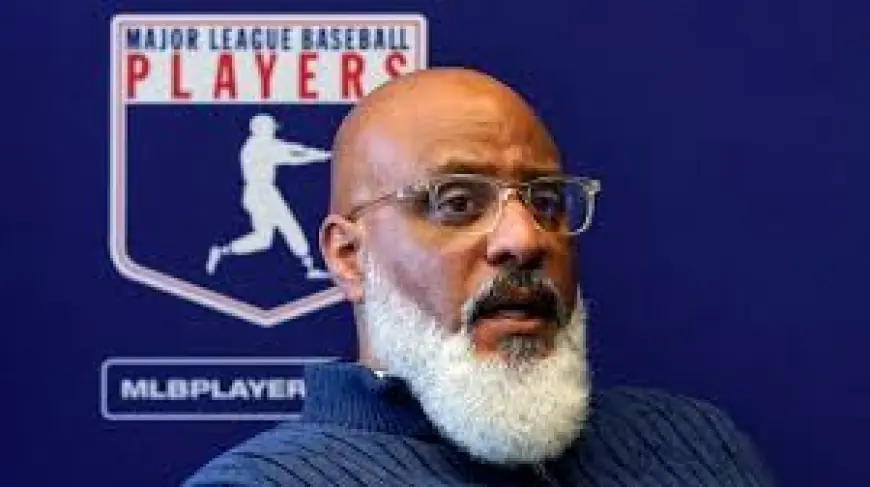
Tony Clark’s sudden resignation has set off frantic internal discussions over who will steer the Major League Baseball Players Association through a delicate transition. With power brokers lobbying hard, a divisive potential front-runner and other high-profile names floated for the post, the union faces a consequential decision even as the collective bargaining agreement remains months away from expiration.
Immediate jockeying and fractured consensus
Within hours of the announcement, the union’s executive board and player representatives engaged in urgent calls and meetings. The deputy executive director has emerged as a prominent option, but the board declined to name him interim head after a conference call that included the eight-player executive subcommittee and representatives from all 30 clubs. That hesitation underscores a lack of consensus and the presence of active opposition to any swift elevation.
Several players and agents have warned against what they view as a rushed promotion, pointing to concerns that one influential agent’s backing could tilt the process. That agent’s clients sit on key decision-making committees, and the visible alignment has amplified worries among those who prefer a broader search. Teams across the league also convened their own meetings to discuss the matter and prepare for a potential vote.
Field of contenders: experience, politics and player involvement
Names being discussed span internal leadership, veteran negotiators and former players who were active in union affairs. The union’s general counsel stands as another internal option. There’s also interest in bringing back a longtime former executive director who once led the association for decades. Among former players drawing mention are an established infielder known for his union involvement and a veteran reliever who was active in player governance alongside the ousted leader.
Each candidate carries different appeals and liabilities. The deputy director is credited with adding negotiating muscle and is admired by some for a hard-charging approach. Yet that same style has alienated others who question his ability to unite a fractious membership. The general counsel offers legal continuity, while a return of the veteran executive would be a clear signal of stability but could revive debates about generational leadership. Former-player options bring credibility with current members but lack immediate institutional control.
Complicating matters, a recent internal inquiry that uncovered an inappropriate relationship involving the outgoing director and a union employee has intensified the urgency for a transparent, credible transition. Leadership now must balance the need for steady bargaining preparation with demands for accountability and trust-building across the membership.
Next steps and the broader stakes
Players and agents arguing for a measured search note that the collective bargaining agreement does not expire until Dec. 1, giving the union breathing room to vet candidates thoroughly. That timeframe could permit a search process that prioritizes consensus and long-term strategy rather than a hurried stopgap pick.
For the union, the immediate priorities are clear: restore internal confidence, maintain momentum on bargaining preparations and avoid deepening factional divides. How leadership handles this transition will shape relations between players, agents and front office counterparts for months to come. A misstep could leave the union weaker going into the next round of negotiations; a well-managed selection could steady a turbulent chapter and reassert the players’ leverage.
At spring camps and across clubhouses, the dialogue continues. Some key player representatives have already voiced strong preferences internally, while others urge patience. With leadership now in flux, the union’s path forward will hinge on whether its decision-makers can convert competing interests into a unified plan that serves the broad player membership.