















james talarico: Colbert doubles down as late-night fight with network intensifies

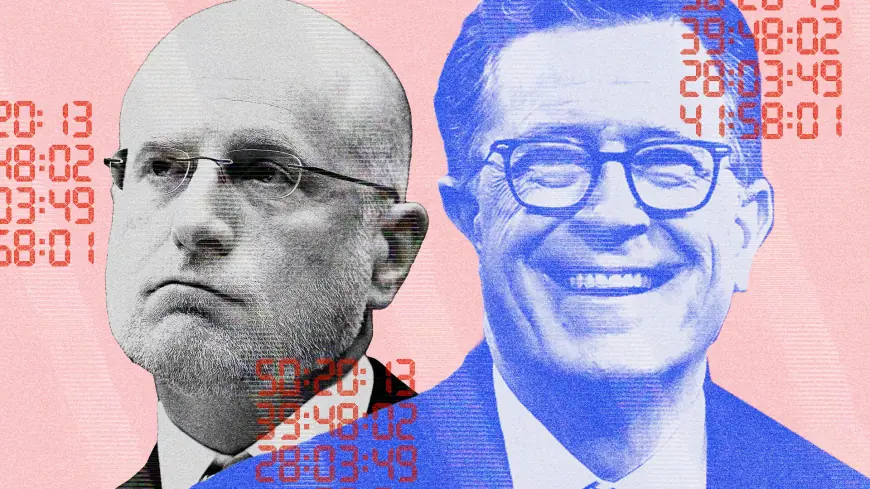
The late-night host escalated a public confrontation with his network this week after a scheduled interview with congressional candidate james talarico was shelved amid legal caution tied to political broadcasting rules. The dispute spotlights a renewed push from the Federal Communications Commission to reinterpret long-standing equal-time obligations and raises fresh questions about editorial control, political speech and regulatory pressure.
Network pulls interview amid heightened FCC scrutiny
Network lawyers provided guidance that led management to remove the interview from a broadcast slot Tuesday (ET), while the host streamed the conversation on his program's online channel. The host called the network statement "crap" on air, framing the move as capitulation to intimidation by a federal regulator that has recently signaled tougher enforcement on partisan content.
The FCC chair, appointed during the previous administration, has announced plans to narrow the exemption that has long allowed non-news entertainment programs to conduct interviews without triggering equal-time obligations. That announcement and a contemporaneous inquiry into another daytime talk show for hosting the same candidate appear to have influenced the network's decision to avoid a potential regulatory headache.
Equal-time rule returns to front-burner
The equal-time doctrine dates to the 1930s and was designed to ensure that broadcast licensees — using a limited public resource — do not favor one candidate over others during elections. Historically, the rule has carved out exemptions for bona fide news interviews and for entertainment programs, allowing talk shows and late-night hosts to book political figures without automatically creating mandatory free airtime for opponents.
Regulators now say they will revisit what counts as a bona fide news interview on non-news programs. If a program is deemed to be motivated by partisan purposes, that exemption could be rescinded and broadcasters would face equal-time obligations. Legal advisers at major media companies are recalibrating their risk assessments in real time, wary of being drawn into protracted regulatory fights or forced to provide equal access to rival candidates at short notice.
What happens next — politics, programming and legal risk
The immediate fallout is both editorial and political. For the host, taking the interview public online bypassed broadcast gatekeepers and allowed the candidate to speak to audiences despite the network's decision. For the network, the maneuver presented a dilemma: run the risk of regulatory scrutiny and potential equal-time claims, or limit broadcast exposure and face backlash from talent and viewers who view the move as censorship.
Legal experts warn that clarifying the rules is likely to prompt litigation. Broadcasters and talent may test the limits of the new enforcement posture, challenging any regulatory action that narrows the exemption for interviews on entertainment programs. Meanwhile, candidates and campaigns will adjust media strategies to weigh the trade-offs between appearing on high-profile entertainment platforms and triggering obligations that could benefit opponents.
Beyond the courtroom, the episode raises broader questions about where political discourse belongs in American media. There is a long tradition of serious political interviews occurring on non-news stages, and tightening exemptions could chill that practice. At the same time, regulators argue they are attempting to prevent what they view as partisan manipulation of popular entertainment platforms.
With an FCC investigation underway and legal guidance shaping network choices, the clash over the shelved interview with james talarico will likely reverberate across late-night programming and campaign media strategies in the months ahead. How networks, hosts and regulators resolve this test case will have consequences for the balance between editorial freedom and equal access in the broadcast arena.