


















peter greene’s Cause of Death Ruled Accidental by Medical Examiner

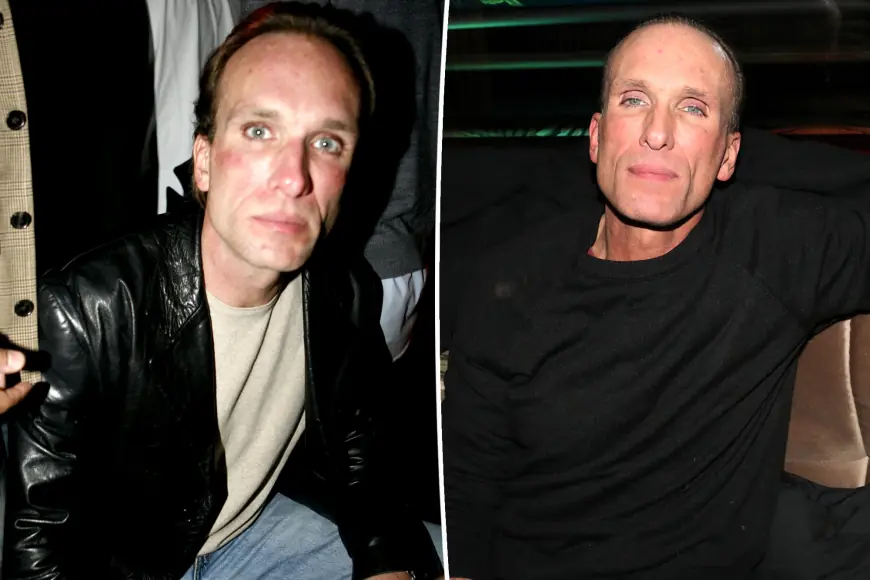
New York City’s Office of the Chief Medical Examiner has ruled the manner of death for actor Peter Greene to be accidental, listing the immediate cause as a gunshot wound to the left axilla with injury to the brachial artery. Greene, known for memorable villainous turns across film and television, was found dead in his Lower East Side apartment on Dec. 12, 2025.
Medical examiner details and timeline
On Feb. 18 (ET), the Office of the Chief Medical Examiner released the finding that Greene died from a gunshot wound of the left axilla — the left armpit — that damaged the brachial artery, a major blood vessel in the arm. The manner of death was ruled accidental. Greene was discovered in his apartment on Dec. 12, 2025, and was pronounced dead after emergency responders arrived following a wellness check; initial discovery of his body was reported at around 3: 25 p. m. ET that day.
Local authorities who checked the scene indicated they did not suspect foul play in the hours after Greene’s death. Neighbors and acquaintances described an unusual scene at the apartment when police entered: one neighbor said Greene was found face down and that a note had been left nearby containing the phrase "I'm still a Westie. " Those on-scene observations formed part of the early investigative narrative, though the medical examiner’s determination centers on the documented wound and subsequent arterial injury.
Career, reactions and unfinished work
Greene, 60, built a reputation for intense, often villainous roles that left a mark on 1990s cinema. He is widely remembered for playing the brutal security guard Zed in a landmark 1994 crime film and for portraying the gangster Dorian in a major 1994 comedy hit opposite a leading comic star. His resume included roughly 95 to nearly 100 credits across film and television, with guest spots and roles on recent series and streaming projects as well as appearances in genre and mainstream features.
Friends and collaborators have offered reflections on Greene’s dual persona: a performer who excelled at playing menacing figures on screen while being described off-camera as generous and warm. His longtime manager, Gregg Edwards, remembered Greene as a gifted actor and a friend with a big heart. Colleagues in independent production circles said they were shocked and saddened by the sudden loss, noting Greene’s ongoing involvement in an investigative documentary project that he was co-producing and narrating. A fundraising page tied to that film described it as an effort to examine changes in American foreign-aid policy and to collect firsthand accounts and expert analysis; collaborators had been seeking contributions to complete the work.
Family and legacy
Greene is survived by his son, Ryder, 16, a brother and a sister. Those close to him emphasized the contrast between the tough characters he often played and his real-life warmth, citing his willingness to help friends and his passion for social issues. As the medical examiner’s ruling closes one chapter of the inquiry into his death, peers and fans continue to reflect on Greene’s impact as a character actor whose portrayals of antagonists helped define key films of the 1990s and beyond.