






















look mum no computer eurovision song: UK picks experimental electronic artist for Vienna 2026

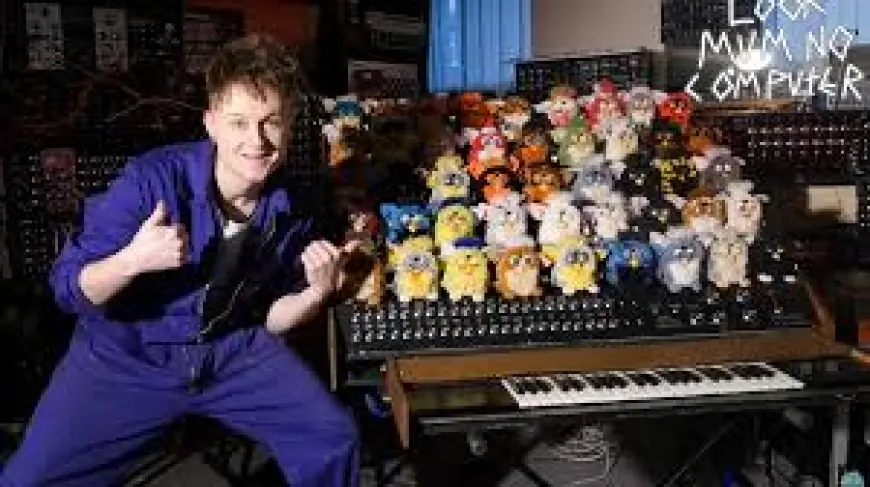
The United Kingdom has chosen electronic musician, inventor and content creator Look Mum No Computer as its representative for the Eurovision Song Contest in Vienna in May 2026 (Eastern Time). The announcement signals a deliberately adventurous approach from the UK, tapping into an artist known for handmade instruments, theatrical live shows and a packed online audience.
Why the selection is a deliberate gamble
The Kent-based artist, real name Sam Battle, has built a reputation as an inventor of unusual musical machines and an experimental performer. He holds a Guinness World Record for creating the world's largest drone synthesizer and has drawn attention with instruments such as organs made from Furby toys, Game Boys programmed to play century-old church organs, synthesiser bicycles and flame-throwing keyboards. He also runs a small museum dedicated to obsolete and experimental musical technology.
Selection was made through the broadcaster's internal process with industry advisers. The head of entertainment at the broadcaster praised the artist's "bold vision, unique sound and electric performance style, " arguing that his creativity and distinctly British wit fit what the UK hopes to present on the Eurovision stage. The song itself has not been revealed yet, but a domestic radio host has already heard the entry and reaction within the music industry is building.
Look Mum No Computer has been documenting his creative process for years and has amassed roughly 1. 4 million combined followers across social channels. He began his career as frontman of indie band Zibra and transitioned to solo work under his current moniker, where his blend of electronics, performance art and DIY engineering has become his signature.
What to expect from the performance in Vienna
Expect a visually striking and sonically unconventional show. The artist has talked about bringing "every ounce" of his creativity to the performance and hinted that Eurovision should be "ready to get synthesized. " Given his history, that could mean live-built instruments on stage, playful mechanical contraptions and a heavy emphasis on spectacle as well as sound design.
Eurovision audiences are used to theatricality, but this entry leans into niche technical bravado rather than conventional pop staging. That unpredictability is both the risk and the appeal: it could energize viewers looking for something different, or it could leave traditionalists baffled. Either way, the UK appears to be prioritising creative ambition over formulaic safety.
Context: a shifting contest and the UK's recent record
The contest arrives amid a changed Eurovision landscape. Several countries have announced boycotts of this year's contest over political disputes, and broadcasters have been wrestling with declining television audiences in recent years. The UK itself has struggled for consistent top finishes in the past decade; its 2025 entry finished 19th.
Those realities help explain the willingness to take a bold route. With conventional strategies failing to return strong placings, selecting an experimental artist both acknowledges the eccentric spirit of modern Eurovision and stakes a claim that novelty and originality can cut through in a crowded field. Whether that calculation pays off will be clear when the songs are performed in Vienna in May 2026 (Eastern Time).
For now, the focus will be on the reveal of the song and the staging plan. Look Mum No Computer has promised to document the build and creative process leading up to the contest, offering fans a window into how one of the competition's more unconventional entries is crafted. Eurovision voters and viewers will get their first full look in the coming months as rehearsals and promotional performances begin.