
























Partial federal shutdown: what it means for your irs refund and how to avoid delays

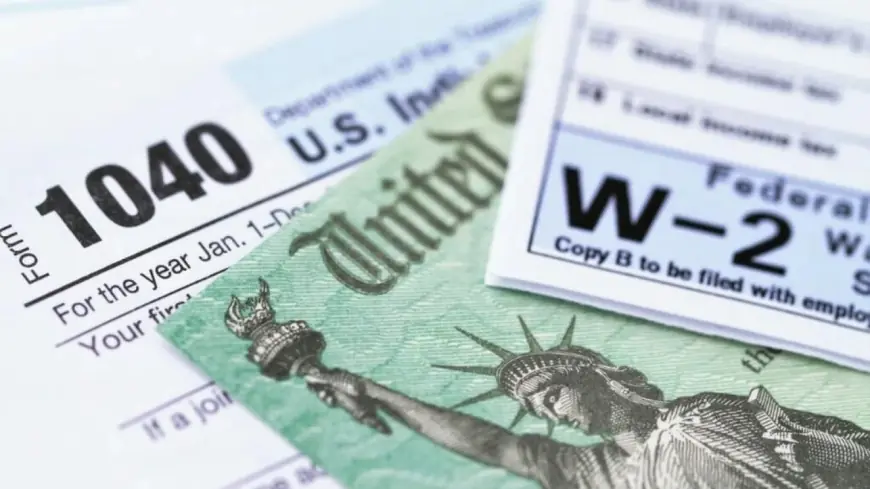
As taxpayers prepare returns for the 2026 filing season, a partial federal government shutdown raises fresh questions about the pace of refunds. Automated tax-processing systems are still running, but reduced staff and required manual checks could prolong refunds for some filers. Here’s what to expect and how to minimize the chance your refund gets held up.
Which refunds are most likely to be delayed and why
The IRS continues to operate automated systems that process many electronically filed returns with direct deposit within the standard 21-day window. That means taxpayers who file electronically, opt for direct deposit and have clean returns should generally see normal processing times.
Delays become more likely when a return is flagged for human review. A partial shutdown can limit available personnel, so returns pulled for manual verification can sit longer than usual. Returns that commonly require extra scrutiny include those that claim refundable credits that must be verified by law, such as the Earned Income Tax Credit (EITC) and the Additional Child Tax Credit (ACTC). Federal law also mandates holds on certain refunds until mid-February if these credits are claimed, even if the return was filed early.
Other situations that increase the risk of delay: math or identity verification issues, mismatches in reported income, and submissions that include IRS Form 8379, Injured Spouse Allocation, which is used to allocate joint refunds when one spouse owes past-due federal debt, state taxes, child support or student loans.
Practical steps to reduce the chance of a hold and how to monitor progress
File electronically and choose direct deposit. That combination is the single best way to shorten processing time for returns that don’t require manual review. Double-check bank routing and account numbers to avoid rejections or delays caused by incorrect deposit information.
Be meticulous when entering personal information. Simple typos in Social Security numbers, names that don’t match Social Security records, or incorrect filing status are frequent triggers for manual review. If the IRS requests additional documentation or identity verification, respond promptly to any notices you receive.
Use the IRS “Where’s My Refund?” tool to track your federal refund. The tool updates once daily and typically reflects status changes within 24 hours of e-file acceptance. Financial planners advise checking the tool before calling the IRS: if more than 21 days have passed since acceptance and there’s no change, monitor for another week. If there’s no movement after four to five weeks, consider contacting the IRS directly for a case review.
For taxpayers in states that run independent tax systems, a federal shutdown will not affect state refunds processed by state tax agencies. Residents of affected states should check their state portal for status updates.
What to do if your refund is delayed
If your refund is delayed, avoid panic but act deliberately. Confirm that your return was accepted electronically. Check bank information and review any IRS notices for requested documentation. If you filed a paper return, expect longer waits even without a shutdown—paper processing is inherently slower.
Scam vigilance is also important during tax season. The IRS will not initiate contact by threatening immediate arrest or demanding payment without providing an opportunity to appeal, and it will not request payment gift cards or cryptocurrency. Treat unsolicited calls or messages that request personal or financial information as suspicious; verify any official-looking communications through the tracking tool or by contacting the IRS directly using published phone numbers.
Finally, consult a trusted tax professional if your return is complex or if you receive an identity verification notice. Professional help can speed responses and reduce the chance of errors that trigger further review.
For many households, a tax refund is a meaningful financial event. While a partial federal shutdown can slow some refunds, most electronically filed returns with direct deposit and no issues should continue to process within normal timelines. Careful filing, quick responses to any notices, and regular monitoring of refund status are the best ways to avoid unnecessary delays.