
























Leave Abhishek Sharma alone! Selection debate rumbles — where does aryan dutt fit?

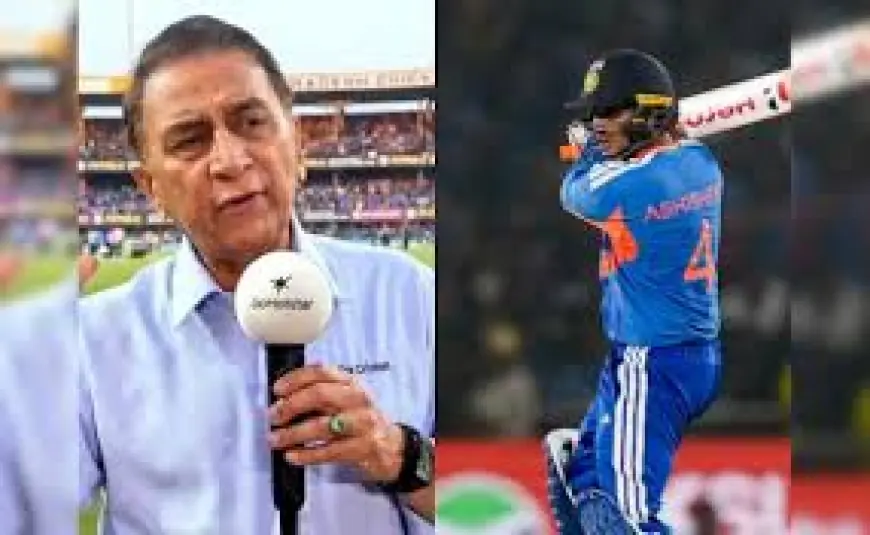
As the T20 World Cup approaches, team management has pushed back against mounting scrutiny of Abhishek Sharma, urging patience and a hands-off approach. The message is simple: avoid unnecessary pressure on players who are executing clear plans and showing good form. At the same time, selectors and fans are watching the wider pool of young talent closely — names like aryan dutt are part of the broader conversation about balance, bench strength and long-term planning.
Management calls for calm amid criticism
Team management has framed recent conversations about individual form as potentially counterproductive. "If we start stressing so much, I think players will be under unnecessary pressure. So he's in a good form. He's got clear plans. He's got a clear mindset. And that is what matters, " a management representative said, underlining a preference for stability over knee-jerk reactions.
The defence of Abhishek Sharma hinges on more than raw numbers. Decision-makers point to the player's preparation, clarity of role and tactical approach as reasons to resist external noise. The management stance suggests that maintaining confidence in a player who has a defined game plan can yield better returns than frequent public second-guessing.
That posture also reflects a broader coaching philosophy: short-term dips should be assessed in the context of the role a player is expected to play in the tournament. Management believes that imposing extra pressure through constant criticism can disrupt a young player's rhythm and mental approach, which are crucial in the condensed, high-stakes environment of short-format tournaments.
Where aryan dutt and other youngsters come into the picture
At the same time, selectors are tasked with balancing faith in established squad members against the potential of emerging talent. Players such as aryan dutt have emerged in discussions as part of the talent pipeline that could bolster depth and offer tactical flexibility.
Young players exert influence on selection dynamics in two ways: as direct alternatives for roles in the playing XI, and as strategic options to be introduced when conditions or match situations demand a different skill set. The management’s public backing of those currently in form does not preclude giving opportunities to promising youngsters; rather, it signals that any changes will be measured and role-specific, not reactionary.
For a player like aryan dutt, the pathway to tournament involvement typically runs through performances in domestic competitions, net sessions, and the clarity with which a player communicates their role to coaches. The window for inclusion narrows as the tournament draws nearer, which makes every training session and selection meeting more consequential.
Implications for team strategy and the tournament run
The emphasis on calm and clear planning has two immediate implications. First, it preserves continuity in roles and game plans headed into high-pressure matches. Second, it gives management room to introduce young players on terms that support their development rather than expose them prematurely to crushing public scrutiny.
Looking ahead, the team's focus appears to be on forging a unit that can execute defined strategies under pressure, rather than on micromanaging individual form cycles. That approach suggests selectors will favour measured, role-driven decisions in the lead-up to the T20 World Cup, keeping an eye on both current form and the longer-term health of the squad.
As debates continue among fans and analysts, the management message is clear: preserve the player's mindset, trust the process, and make changes only when they strengthen the team's tactical options. For emerging names like aryan dutt, the coming weeks will be a test of readiness — and of whether the team prefers to integrate new talent gradually or to stick with established plans through the tournament.