






















ramadan mubarak — campus prepares for Ramadan 2026


Muslim students and staff are preparing for the start of Ramadan 2026, expected to begin on the evening of Tuesday, February 17, 2026, or Wednesday, February 18, 2026 (ET) depending on moon sighting. Campus leaders and community members have issued guidance and reflections to help colleagues and students manage fasting, prayer, study and work during the holy month.
Timetable changes, prayer breaks and practical support
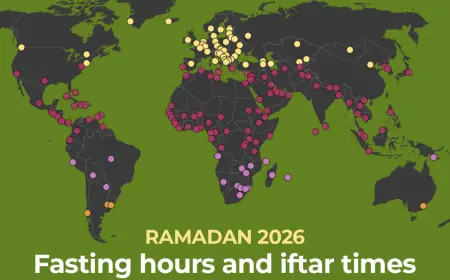
The campus-wide message emphasizes that many people will be fasting during daylight hours and breaking fast at sunset with iftar gatherings. Departments and teams are being asked to show understanding where staff or students request adjustments to timetables, short prayer breaks, or flexibility for evening events. Services that deal with timetables and exams are preparing contingency plans to accommodate those observing the fast while continuing academic and professional responsibilities.
Staff and supervisors are encouraged to discuss temporary adjustments with colleagues who observe Ramadan, and to be mindful that fasting can affect energy levels and concentration, particularly late in the day. Student-facing services are reminding students to plan ahead for assessments and to contact student support if they need help balancing study commitments with religious observance.
Community messages stress compassion, reflection and wellbeing
A campus statement extending best wishes for the holy month welcomed observant members and urged the wider community to respond with respect and support. The message highlighted Ramadan as a time for fasting, prayer, reflection and charity, noting how the period nurtures self-discipline, compassion and gratitude while encouraging greater concern for those in need.
One lecturer described Ramadan as a month-long "spiritual retreat" that moves between home, campus and local places of worship. That reflection underlined a common theme in campus guidance: small acts of kindness and practical adjustments — such as rescheduling meetings or providing quiet spaces for prayer — help create an inclusive environment. Mental health and wellbeing teams are reminding the community that spiritual practice and physical wellbeing go hand in hand, and that anyone feeling unwell should seek appropriate support.
Events, iftar and campus life during Ramadan
Student groups and community organisations typically arrange iftar gatherings and charitable initiatives during the month, offering opportunities for communal breaking of the fast and for those interested to learn more about the significance of Ramadan. Organisers are planning events that respect health and safety guidance and encourage cross-community participation where appropriate.
Members of the campus community are asked to use greetings such as "Ramadan Mubarak" or "Ramadan Kareem" with warmth and sensitivity. The seasonal message hopes the month will bring peace, wellbeing and strengthened unity across the institution, reinforcing values of mutual respect and support. Students and staff who observe Ramadan are encouraged to speak with managers, lecturers or student support teams to arrange reasonable adjustments and to access wellbeing resources as needed.
As the expected start date approaches, the campus will continue to share practical information to help everyone plan for the month ahead and to ensure a supportive environment for all who observe Ramadan.