


















Tiki Ghosn, Deen The Great, Larry Wheels, and Rampage Jackson: Viral Livestream Fight Sparks New Debate Over Influencer Combat and Real-World Consequences

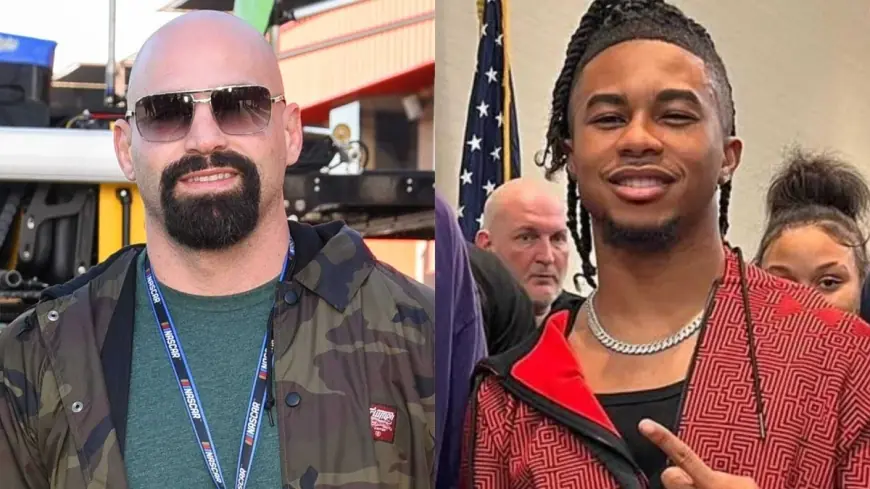
A livestreamed house-party moment involving former MMA fighter Tiki Ghosn and influencer-boxer Deen The Great is ricocheting across the internet on February 19, 2026, after video showed Deen being dropped in a sudden physical confrontation during a broadcast hosted by Quinton “Rampage” Jackson. The incident is the latest flashpoint in a fast-growing genre where combat-sports personalities and online creators blur entertainment, ego, and escalating risk — sometimes in rooms without security protocols, medical oversight, or clear accountability.
The clip is spreading alongside a separate, earlier-on-stream scuffle involving strength athlete Larry Wheels and Deen The Great, adding to the sense that a “content-first” environment can quickly turn into a real fight with real injuries.
What happened: the Tiki Ghosn and DeenTheGreat altercation at Rampage Jackson’s party
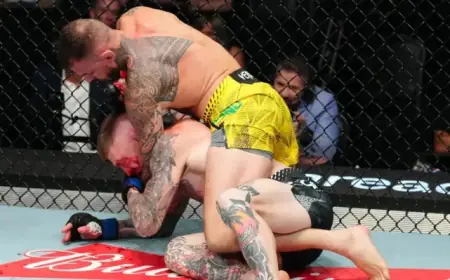
Based on widely shared footage from February 18, 2026, a verbal exchange between Tiki Ghosn and Deen The Great escalated rapidly during a live broadcast from a party setting. Deen appeared to taunt or challenge Ghosn at close range. Within seconds, Ghosn struck Deen and put him down, ending the confrontation almost immediately.
The speed of the outcome became the headline: a trained fighter responding decisively to an intoxication-tinged, disrespect-fueled challenge in a crowded, performative space. The surrounding crowd reaction — and the fact it was happening live — amplified the fallout.
The Larry Wheels angle: a separate viral moment, same ecosystem
In the days leading into the party clip, Deen The Great was also involved in another widely circulated livestream incident with Larry Wheels. That encounter appeared to stem from boundary-crossing behavior during a social outing that was being broadcast. The situation turned physical, with Wheels delivering a slap during the dispute.
Taken together, the two moments are being treated online as a rapid succession of public “checks” on Deen’s on-camera persona — and as evidence that the creator-combat crossover has developed a combustible culture: bravado plus alcohol plus audience baiting.
Behind the headline: incentives, stakeholders, and why these moments keep happening
This story is not only about who hit whom. It’s about incentives.
Livestreaming rewards escalation. The fastest way to turn a hangout into a headline is conflict. For creators, tension spikes views, clips, and follow-on invitations. For combat-sports veterans, appearing dominant in a viral moment can burnish reputation and open doors to paid appearances. For hosts, chaos can be framed as “unplanned reality,” even when the environment quietly encourages provocation.
Stakeholders with real exposure include:
-
The individuals involved, who risk injury, legal trouble, and long-term reputational damage
-
Event hosts, who may face scrutiny for safety, security, and supervision
-
Sponsors and promoters in the influencer boxing world, who profit from attention but inherit backlash
-
Platforms and partners, who benefit from engagement while trying to distance themselves from violence
-
Viewers, who shape the incentive loop by rewarding the most extreme moments with attention
The pressure point is simple: when “content” is the goal, the guardrails tend to be afterthoughts.
What we still don’t know
Even with video, several key questions remain unresolved as of February 19, 2026:
-
Whether anyone sought medical evaluation immediately after the knockdown
-
Whether police reports were filed or any formal complaints are being pursued
-
What, if any, security protocols were in place at the event
-
The full sequence of provocation that led to the strike, beyond the most-circulated clip
-
Whether the participants had any prior agreements about physical contact on camera
Until these pieces are clarified, the public conversation will keep filling gaps with assumptions — and that’s where reputational damage accelerates.
Second-order effects: the ripple beyond one punch
The biggest risk is normalization. When violence becomes “shareable,” future creators may push boundaries further to chase the same virality. That can reshape the influencer boxing space in three ways:
-
Higher stakes, lower safety: more spontaneous fights without medical oversight
-
Escalating humiliation cycles: public “gotcha” moments replacing structured competition
-
Legal and business tightening: contracts, waivers, and insurance pressures increasing as incidents stack up
There’s also a cultural shift: audiences are increasingly treating real injuries as entertainment beats. That desensitization can carry into sanctioned events, where fighters and promoters feel pressured to manufacture drama instead of building legitimate sport credibility.
What happens next: realistic scenarios and triggers
Several near-term outcomes are plausible, depending on what emerges in the next few days:
-
Public statements from the individuals involved, attempting to frame the incident as self-defense, disrespect gone too far, or “just content.” Trigger: backlash intensifying or brand deals at risk.
-
Legal consultation or threats of action. Trigger: medical costs, lost opportunities, or perceived assault.
-
A push to monetize the moment through a scheduled bout. Trigger: promoters sensing pay-per-view potential.
-
Platform or partner intervention, including temporary restrictions on live content. Trigger: sustained criticism and safety concerns.
-
Quiet cooling-off and a shift in collaborators. Trigger: creators deciding the risk is not worth the blowback.
Why it matters
This is the clearest snapshot yet of the influencer-combat era’s central contradiction: it borrows the aesthetics of fighting without consistently adopting the rules, supervision, and medical standards that make combat sports survivable. Tiki Ghosn, Deen The Great, Larry Wheels, and Rampage Jackson are now the names attached to the week’s most visible example — but the broader story is about an attention economy that pays best when the room gets out of control.