
























pam bondi Faces Backlash After Judiciary Hearing and Mishandled Epstein File Release

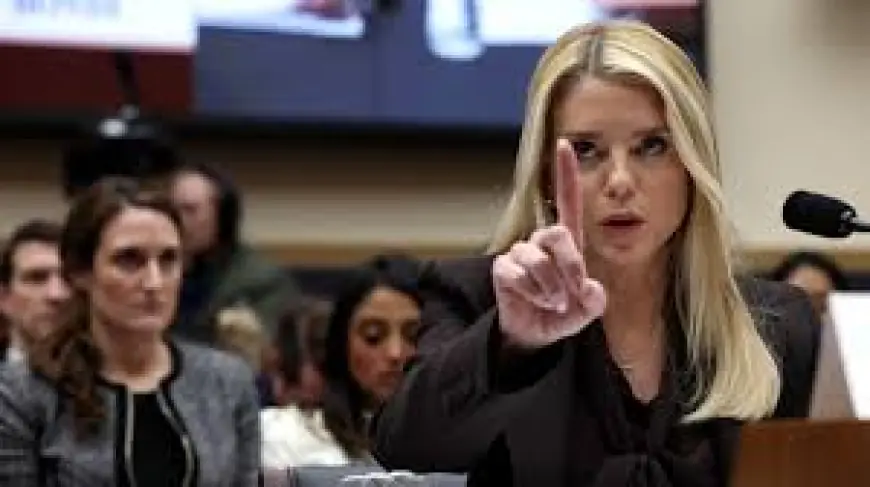
The attorney general’s combative appearance before the House Judiciary Committee this week reignited criticism over the Justice Department’s handling of Jeffrey Epstein-related materials. Victims who attended the hearing and lawmakers expressed outrage after the department released files that included unredacted intimate images while keeping large swaths of documents sealed.
Scathing exchange in the hearing and refusal to apologize
During a tense session in the committee chamber, the attorney general declined to apologize to survivors who have spent decades seeking clarity and accountability. Instead, she pressed lawmakers to apologize to President Trump and used derisive language toward members of both parties. In moments that committee members described as unprofessional, she labeled the ranking member a "washed-up, loser lawyer" and dismissed Representative Thomas Massie as a "failed politician. " At one point she pivoted to an unrelated boast about the Dow Jones industrial average.
Victims seated in the gallery reacted with dismay. For many who attended or followed the hearing, the tone and content of the exchange deepened a sense that the Justice Department has prioritized politics and image management over a careful, survivor-centered release of sensitive materials.
Mishandled release: unredacted images and selective protections
The department’s public release of Epstein-related files has been criticized as chaotic and harmful. In the course of complying with congressional pressure to make documents available, dozens of unredacted images were uploaded, some described by advocates as nude photos of young women and possibly teenagers. Survivors and advocates said that such disclosures represented a devastating failure to protect victims’ privacy.
At the same time, lawmakers who examined the materials say a large portion of the corpus remains redacted. Those who reviewed unredacted sections contend that roughly four out of five pages are still hidden, including identities tied to six wealthy, high-profile men. The contrast — graphic personal images exposed while the names of influential individuals are withheld — has fueled accusations that the process was selective and protective of the powerful.
Committee officials pressed the department for explanations about how redaction decisions were made, and why certain sensitive content reached the public domain while other information did not. The Justice Department has faced questions about whether political considerations shaped the timing and scope of the document release.
Political fallout and calls for accountability
The fallout from the hearing and the release is likely to endure. Lawmakers and advocates are calling for clearer protocols for handling victim-sensitive material, stronger safeguards before public dissemination, and an independent review of the department’s conduct. For survivors, the damage is personal and immediate: many expressed that the recent events amounted to a second betrayal by a system they had hoped would deliver justice.
Beyond the immediate outrage, the episode raises broader questions about how high-profile cases with political implications are managed by federal authorities. Critics argue that transparency must be balanced with dignity and privacy for victims, and that the Justice Department’s performance in this instance fell short on both counts.
As lawmakers consider legislative and oversight options, the Justice Department faces pressure to offer more thorough explanations, remedial steps to protect those harmed by the release, and assurances that future disclosures will be handled with far greater care. For now, the hearing has amplified scrutiny of leadership decisions and left survivors and members of Congress demanding a reckoning over how these sensitive materials reached the public eye.