How jesse jackson Helped Secure the Release of Three US POWs in 1999

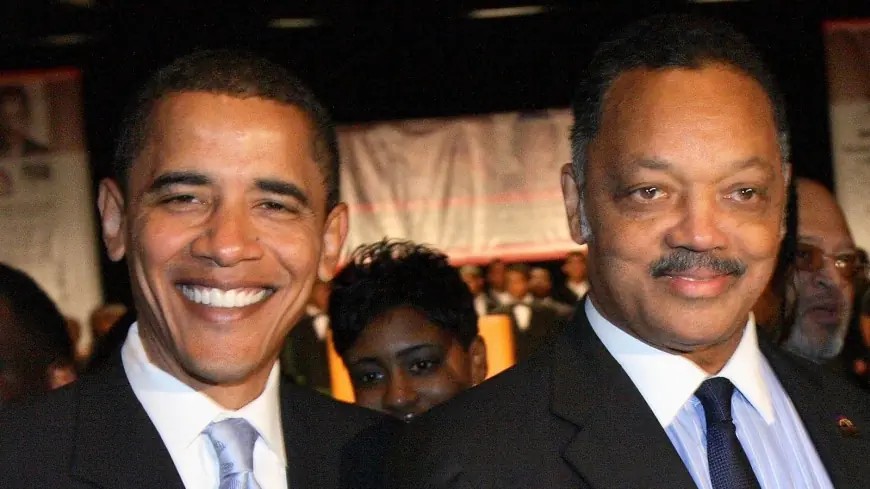
Former US Army sergeant Andrew Ramirez has recalled the surprising moment he and two fellow soldiers were freed in May 1999 — an outcome he now credits to the intervention of civil rights leader Jesse Jackson. Jackson, who died aged 84 on Tuesday, February 17, 2026 (ET), mounted a private diplomacy effort that ran counter to the administration’s wishes but ultimately led to the soldiers’ release.
Behind-the-scenes diplomacy in a combat zone
Ramirez, Sergeant Christopher Stone and Specialist Steven Gonzales were captured in March 1999 after a patrol near the Macedonian–Yugoslav border met enemy forces during the escalating conflict in Kosovo. The three men spent weeks in grim confinement, subjected to interrogations and uncertainty. Ramirez recalled that, at the time, he had no sense that anyone outside the prison was working to secure their freedom.
Jackson — then 57 and already known for intervening on behalf of Americans detained overseas — organized a delegation to Belgrade in late April 1999. That trip included an Illinois congressman who later worked with Jackson, and a multi-faith group determined to press Yugoslav authorities for the soldiers’ release. The mission proceeded despite cautions from US officials, who warned that military operations aimed at forcing a withdrawal from Kosovo would continue regardless of the delegation’s actions.
Political pressure and an unusual combination of negotiators were critical. The Illinois congressman used his connections to secure guarantees from Belgrade that Jackson would be allowed to meet the detained soldiers. Jackson insisted he be granted direct access to the prisoners as a condition of his participation, a demand that ultimately opened the door to a face-to-face encounter that the captors had not planned to allow.
The moment of release and its aftermath
Ramirez described the release as sudden and bewildering. He recalled being escorted from a holding area, handcuffed, only to find news cameras and the delegation waiting. "I saw cameras and some other news agencies, " Ramirez said, and then noticed Jackson standing there. The prisoners had no prior knowledge of the delegation’s presence or its negotiations; the appearance of Jackson surprised them as much as it surprised onlookers.
In later remarks Jackson reflected on the broader failure of diplomacy in wartime and framed the intervention as an attempt to restore channels of communication. "One of the failures of war is a failure of diplomacy, communication and trust, " he said. Those words underscore a pattern that defined much of his public life: a willingness to undertake informal negotiations when official channels appeared stalled or unwilling.
For Ramirez, the encounter left a lasting impression. "We had no knowledge, and no idea what was going on, " he said, adding that he joked with Jackson afterward about the surreal scene — that the delegation leader himself seemed to have been taken hostage by the chaos. Ramirez emphasized that Jackson's intervention was pivotal. "He did it for us, " Ramirez said, framing the release as a personal act of advocacy that changed the fate of three servicemen during a dangerous chapter of the conflict.
Legacy of private diplomacy
Jackson’s role in the 1999 release fits a broader portrait of his career: a mix of high-profile civil rights activism and repeated interventions on behalf of Americans detained abroad. Over decades he undertook several such efforts, sometimes in fraught geopolitical contexts, and often at odds with official policy. Critics questioned his methods, but many former detainees and their families credited him with securing freedom when formal diplomacy failed.
As leaders and former officials reflect on his passing, accounts like Ramirez’s highlight the tangible outcomes of Jackson’s interventions in individual lives amid larger historical struggles. For those three soldiers, a controversial mission to Belgrade ended with their return to US control — and a personal debt of gratitude to a civil rights figure who moved to act when many others would not.