























Canada vs Czechia Hockey: Mitch Marner’s Overtime Winner Sends Team Canada to the Olympic Semifinal After 4–3 Escape

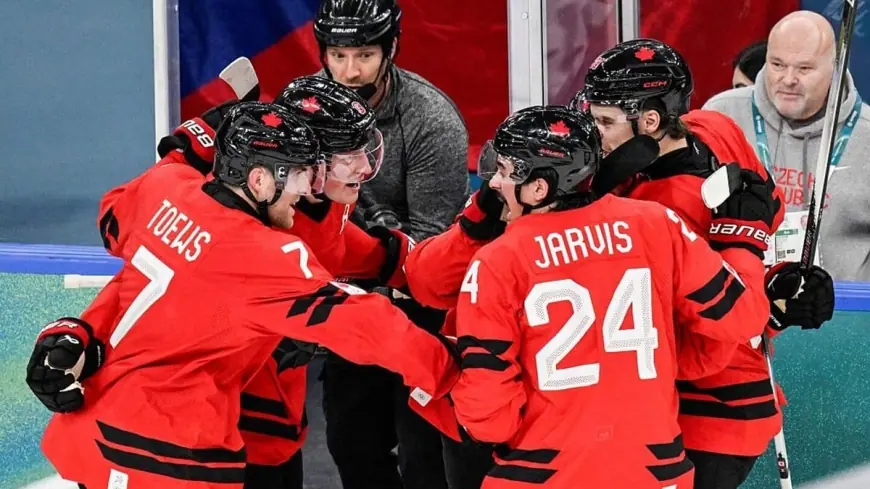
Team Canada’s men survived a serious scare in the hockey Olympics on Wednesday, February 18, 2026 ET, edging Czechia 4–3 in overtime in a quarterfinal that flipped from comfortable control to near-upset before Mitch Marner ended it early in the extra session. The result pushes Canada into the semifinal round at Milano Cortina 2026 and keeps alive a gold-medal track that, for much of this tournament, has looked almost inevitable.
It didn’t feel inevitable by the end of regulation. Czechia forced Canada to play the kind of anxious, compressed game that turns talent into frustration—then briefly grabbed a late lead that had the building leaning toward chaos. Canada answered, tied it, and then relied on individual brilliance from Marner to avoid the bracket’s nightmare scenario: a one-game exit that would have dominated the entire Olympic story.
What happened in Canada vs Czechia hockey
Canada opened the scoring through 19-year-old Macklin Celebrini, who finished a quick-strike play early in the first period to put the top seed up 1–0. Czechia answered with a goal that tied the game and then, on the power play, David Pastrnak’s finish put Canada behind for the first time in the tournament.
Canada pushed back in the second period, leveling the score on a power-play goal from Nathan MacKinnon. The third period tightened into a grind—exactly what an underdog wants—until Ondrej Palat found space late and buried a chance to put Czechia up 3–2 with under eight minutes to go.
Canada’s response was immediate in spirit, if not in timing. With 3:27 left in regulation, Nick Suzuki redirected a point shot to tie it 3–3 and force overtime. Just 1:22 into the extra period, Marner cut through the defense and finished the winner to secure a 4–3 overtime win and a spot in the semifinals.
Canada Olympic hockey scoreline, and why it was closer than it “should” have been
On paper, Canada had already shown it could overwhelm this matchup, beating Czechia 5–0 earlier in the preliminary round on February 12, 2026 ET. That earlier result suggested a gap in both depth and finishing.
The quarterfinal exposed a different truth about knockout hockey: the gap matters less when the underdog can keep the game narrow long enough for special teams, goaltending, and one or two high-leverage moments to swing belief. Czechia did three things well:
-
It made Canada defend more than it had all tournament, slowing down rush chances.
-
It converted on the power play and punished mistakes.
-
It dragged the game into late-game tension, where every shift becomes a referendum on composure.
Canada still generated offense, but the game demanded patience rather than fireworks. That’s why the tying goal from Suzuki mattered so much: it wasn’t just a scoreline correction, it was a psychological reset.
Behind the headline: incentives, stakeholders, and what this win protects
Canada’s incentive structure at these Olympics is brutal: anything short of gold is framed as failure, especially with elite stars back in the Olympic tournament. That pressure isn’t abstract—everyone involved feels it.
-
Players are chasing a rare, legacy-grade opportunity in a short tournament where one bad night can define a career chapter.
-
Coaches and leadership groups are protecting credibility: dominance in the round-robin means nothing if it doesn’t translate when the bracket arrives.
-
The program is guarding the “standard” narrative—Canada as the team that absorbs punches, then wins anyway.
For Czechia, the incentives are the opposite: make the game uncomfortable, steal a lead, and force a favorite to grip the stick too tight. Palat’s late go-ahead goal was the payoff for that approach, and for a few minutes it looked like the upset blueprint had landed.
The names that shaped the night: Marner, Celebrini, Pastrnak, Palat
Marner’s overtime winner will live as the highlight, but the arc of the game belonged to a cluster of key contributors:
-
Mitch Marner delivered the finishing blow in overtime, the kind of single-moment excellence that decides medal runs.
-
Macklin Celebrini set the tone with an early goal and continued to look like a tournament-changer despite his age.
-
David Pastrnak provided Czechia’s most dangerous scoring punch, including a power-play goal that helped flip the game’s emotional balance.
-
Ondrej Palat nearly wrote the upset headline with a late third-period goal that put Czechia within minutes of a semifinal berth.
What we still don’t know
Canada advanced, but there are unresolved questions that matter immediately:
-
Captain Sidney Crosby’s status after leaving the game with a lower-body injury. The severity and availability for the semifinal could reshape matchups and special teams roles.
-
Whether Canada can avoid slow starts to tight games when the opponent commits to structure over trading chances.
-
How much energy this scare costs as the tournament compresses and recovery becomes a competitive edge.
What happens next for Team Canada hockey at the Olympics
Canada moves on to the semifinals on Friday, February 20, 2026 ET, with Finland next on the bracket. From here, the outcomes narrow into a few realistic paths:
-
Canada controls the semifinal if it scores first and forces Finland to chase, reopening the ice for speed and skill.
-
A one-goal grinder if Finland neutralizes transition and turns it into special-teams chess, where a single call or bounce decides it.
-
A fatigue-influenced finish if the emotional and physical cost of the Czechia scare shows up late in the next game.
One thing is already clear: Canada’s Olympic hockey team is still alive, but no longer insulated by reputation. Czechia proved the favorite can be pushed to the edge—and that changes how every remaining opponent will approach them.